

At a glance: A slipping, rubbing or damaged item can have several possible causes. Use this checklist to decide what to inspect and which guide to read. It cannot inspect the product or confirm a diagnosis.
Choose the issue you want to check
Select an issue to see a starting checklist.
Read the relevant guideDescribe the symptom before deciding the cause
Record what happened, which part of the item changed, and when you first noticed it. Include the selected size or variant, how it was used and the care method. Keep photographs of the item and label when useful. These details help distinguish fit, maintenance and construction questions.
Do not turn one symptom into a universal rule
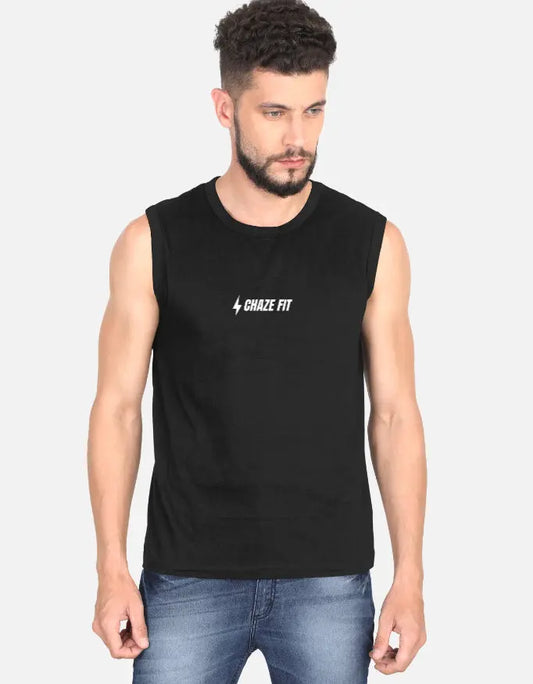
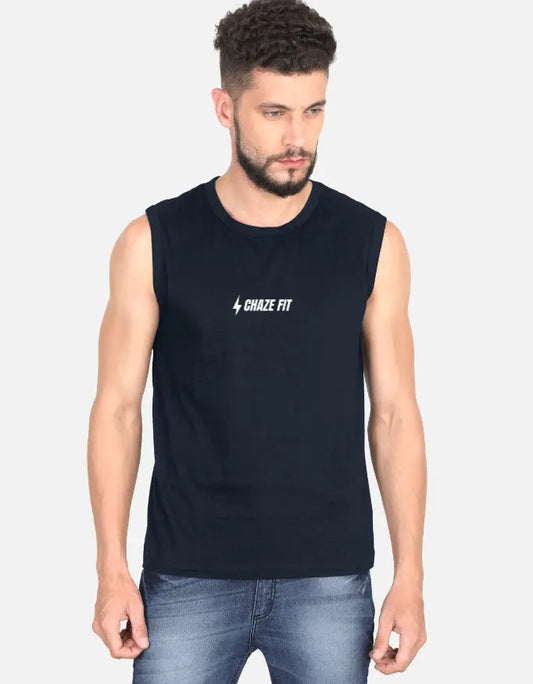
A vest that reveals more than expected does not prove that every fabric below one GSM is unsuitable. A moving headband does not prove that every wearer needs a tighter band. Use the actual garment and its instructions as the starting point.
When to contact the seller
Contact support when an item is damaged, instructions conflict, or the checks do not explain the issue. Stop using a damaged fastening or an item that causes painful pressure. For persistent skin symptoms or pain, seek advice from a qualified health professional rather than using a clothing checklist to diagnose it.
For Chaze Fit orders, use the customer help FAQ and the current refund policy. This tool does not determine eligibility.
Choose a replacement only after defining the need
If another item is needed, record the missing measurement, closure, coverage or carrying feature first. Use the buying-mistakes checklist or choose clothing for your workout to compare suitable options.
Frequently asked questions
Does the result establish that a product is defective?
No. The tool provides inspection prompts and relevant reading; it does not inspect the item or decide a warranty claim.
Should I repair the item myself?
Ask the maker before modifying it, particularly where the change affects a liner, fastening, seal or safety-related component.
Tags:
Previous
Gym Clothing Across Indian Cities: Plan the Room, Commute and Forecast
Next
Activewear Fabric and Material Glossary: GSM, Mesh, Terry, Fleece and More