
The Chaze Fit Journal

The Chaze Fit Fabric & Material Science Glossary: Every Term Explained

Last Updated: August 2026 | Author: Ankit Mange, Founder, Chaze Fit | Reading Time: 12 minutes

Every material decision at Chaze Fit is made for a specific reason tied to Indian climate, sweat rates, and daily wear. This glossary explains every fabric, construction method, and hardware choice used across our catalogue - what it is, why we chose it, and which product it's built into. Whether you found us searching "what is terry cotton" or "what does GSM mean," this is the single reference for the material science behind Chaze Fit gear.

GSM: The Foundation Of Every Fabric Decision

GSM (grams per square metre) measures fabric density - the single most important spec most brands don't disclose. Higher GSM generally means more structure, more opacity, and more durability, at the cost of breathability and weight. Every Chaze Fit product lists its GSM because it's the number that actually predicts how a garment will perform, not marketing language like "premium quality." Across our range, GSM varies deliberately by use case - from 150 GSM open mesh for outdoor arm sleeves to 260 GSM terry cotton for travel sweatpants. For a full breakdown of GSM ranges across every garment category, not just Chaze Fit's own products, see our GSM Reference Chart.

Cotton Fabrics

180 GSM Cotton (Gym Vest)

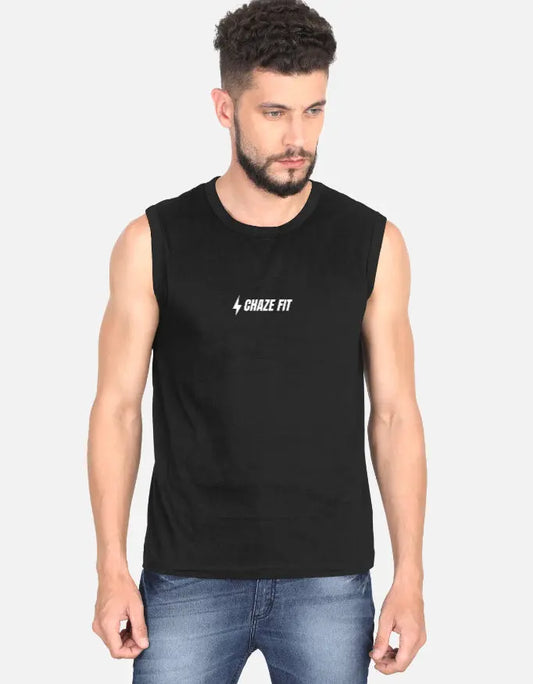
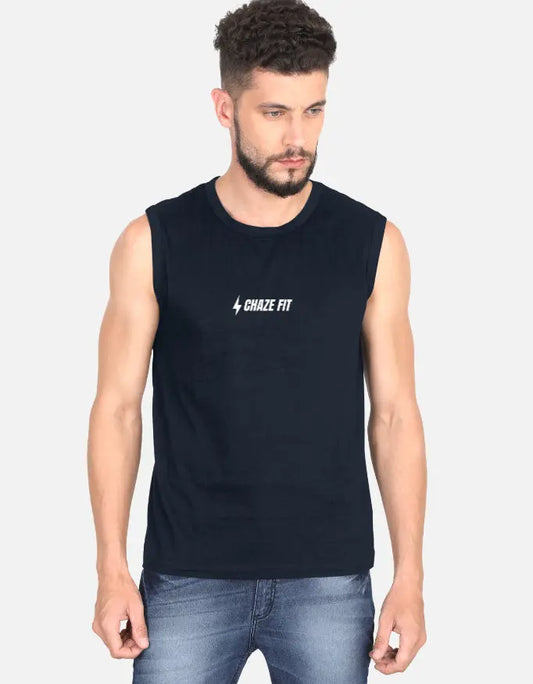
Used in the Chaze Fit Gym Vest. At 180 GSM, this cotton is 28-50% denser than the 120-140 GSM used in budget vests, which is why it doesn't turn see-through when sweat-soaked. Read the full breakdown in cotton vs polyester for Indian gyms.

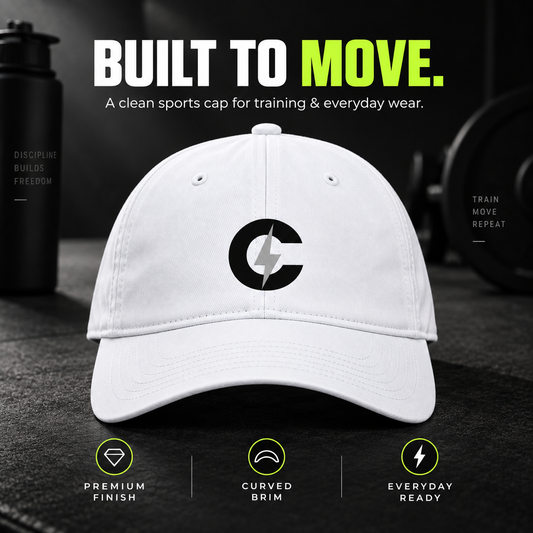
Cotton Drill (Sports Cap)

Used in the Chaze Fit Performance Sports Cap. A 2-over-1 twill weave, 35-40% denser than plain-weave cap cotton, which is why it holds a structured crown shape through sweat and repeated washing. See what cotton drill actually is.

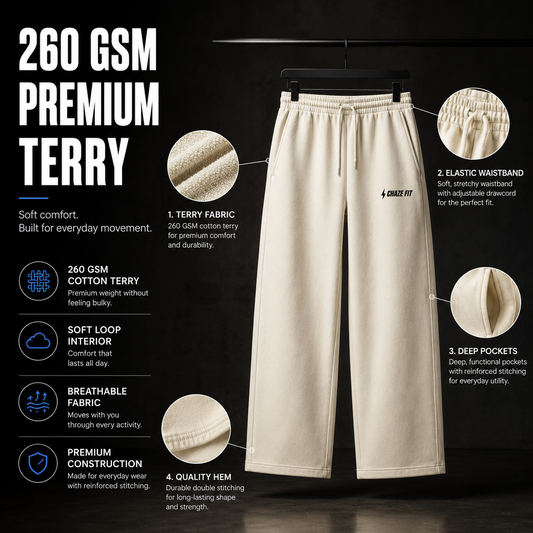
Terry Cotton / French Terry (Sweatpants)

Used in the Chaze Fit Oversized Terry Sweatpants at 260 GSM. Terry cotton uses a looped-yarn construction that breathes and absorbs moisture, unlike fleece which traps heat. This is why terry cotton works across 10-12 months of the Indian year while fleece only suits the coldest weeks. Full comparison: terry cotton vs fleece.

Airtex Cotton (Polo)

Used in the Chaze Fit Airtex Polo at 220 GSM. A textured honeycomb knit that lifts fabric slightly off skin for better airflow than flat pique cotton, while still holding collar structure through 30+ washes. See Airtex vs pique cotton.

Synthetic & Blend Fabrics

Poly-Spandex (Sports Bra, Crop Top)

Used in the Chaze Fit Sports Bra and Sports Crop Top, both at 220 GSM. This blend combines 4-way stretch with enough density to stay opaque under stretch - below 200 GSM, poly-spandex fabric thins visibly during squats and deep stretches. See why thinner fabric becomes see-through.

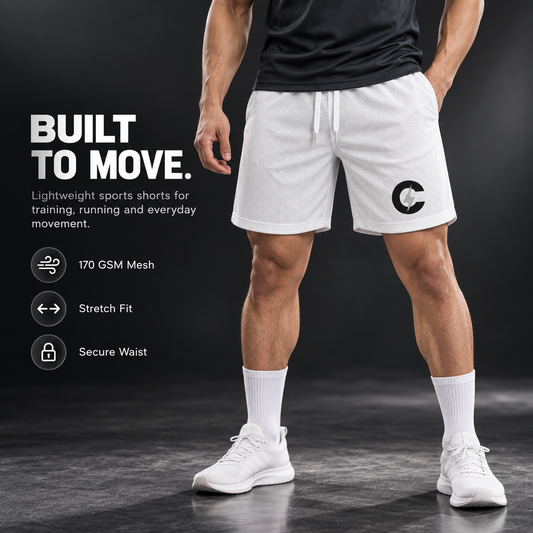
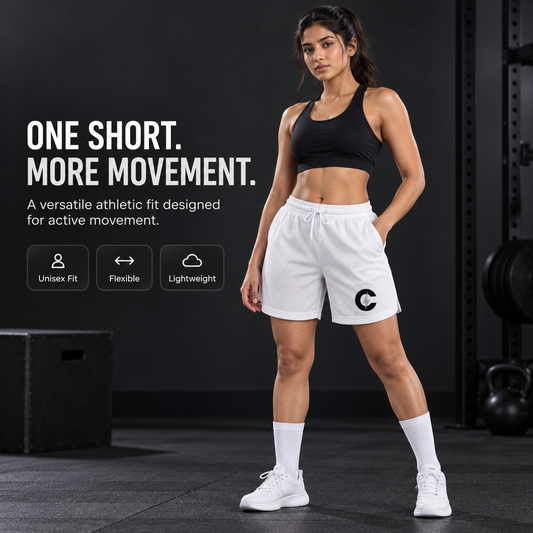
4-Way Stretch (Sports Shorts)

Used in the Chaze Fit Sports Shorts. Unlike 2-way stretch which only flexes side-to-side, 4-way stretch moves with squats, lunges, and sprint starts in every direction. Explained in full: what 4-way stretch actually means.

Poly Mesh (Dri-Fit T-Shirt)

Used in the Chaze Fit Dri-Fit Sports T-Shirt at 170 GSM. An open-knit structure that creates air channels and moves sweat to the outer face for fast evaporation - the mechanism behind genuine "Dri-Fit" moisture-wicking, as opposed to a flat polyester weave that just traps sweat against skin. See why mesh beats flat polyester.

Brushed Fleece (Bomber Jacket)

Used in the Chaze Fit Bomber Jacket at 240 GSM - a weight specifically tuned for the 8-18°C range most Indian winter mornings sit in, warm enough to matter without the bulk of heavier fleece. See what makes brushed fleece warm without bulk.

Quick-Dry Polyspandex (Sports Headband)

Used in the Chaze Fit Grip Flex Headband. Dries significantly faster than cotton between sessions, which matters because saturation - not absorption capacity - is what causes most headbands to fail mid-workout. See the full sweat management guide for how this fits into a complete kit.

UV Protection

UPF 50+ (Arm Sleeves)

Used in the Chaze Fit Arm Sleeves. UPF 50+ blocks roughly 98% of UV radiation and, unlike SPF sunscreen, doesn't wear off with sweat. Full explainer: what UPF 50+ actually means, plus whether it weakens under stretch.

Grip & Hardware

Silicone Grip Strips

Used in the Sports Headband (4mm) and Arm Sleeves (15mm). Silicone's friction coefficient drops only 10-15% when wet, compared to 35-40% for plain fabric or elastic - which is why silicone grip keeps working even when soaked in sweat. See the friction physics behind silicone grip.

AOP (All-Over Print)

Used across the Sports Shorts, Crop Top, Bomber Jacket, Dri-Fit T-Shirt, and Arm Sleeves. AOP means the print is dyed into the fabric fibres before assembly, rather than heat-pressed or transfer-printed on top afterward - which is why it doesn't crack or peel with repeated washing the way surface prints do.

Metal & Insulation

304 Stainless Steel

Used in the Laser-Engraved Steel Bottle and Steel Edge Tumbler. The food-service standard grade (18% chromium, 8% nickel) - fully corrosion-resistant and non-reactive with acidic beverages, unlike cheaper 201-grade steel. See why the grade matters.

Double-Wall Vacuum Insulation

Used in the Steel Edge Tumbler. Two steel walls with a vacuum - not just air - between them, which eliminates convection heat transfer entirely and keeps water cold for 12+ hours at 30°C ambient. Full physics: what double-wall vacuum insulation actually does. See also the complete hydration guide for choosing between bottle types.

Powder Coating

Used on the Steel Edge Tumbler exterior. A dry pigment fused to the steel under heat, producing a more scratch- and chip-resistant finish than liquid paint, while adding grip texture that bare polished steel lacks.

Food-Grade Aluminium

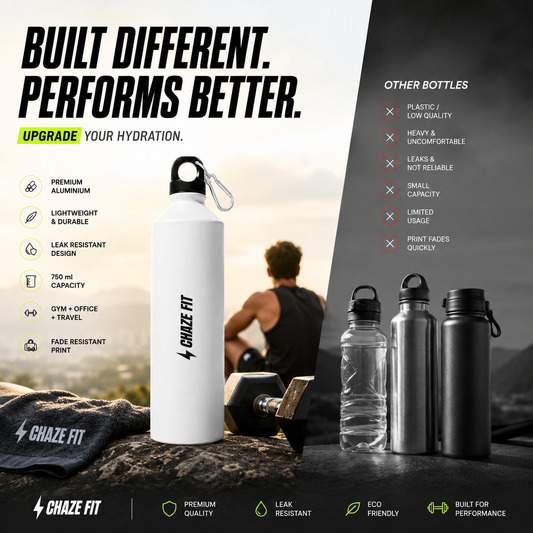
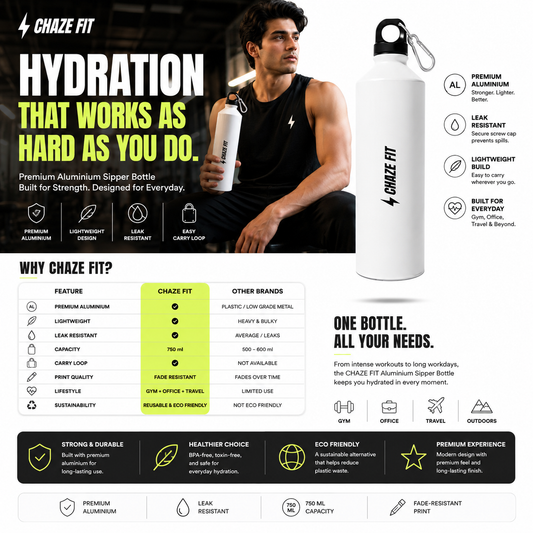
Used in the Hydro Max Sipper. BPA-free and does not leach into beverages at normal training temperatures. See the full safety data.

Hard Enamel

Used in the Enamel Pin Badge. Filled level with the metal ridges and polished smooth, unlike soft enamel which sits raised and dents more easily under daily friction. See hard vs soft enamel compared.

Quick Reference Table

Material/Construction Used In GSM / Spec
180 GSM Cotton Gym Vest 180 GSM
Cotton Drill Sports Cap 35-40% denser than plain-weave
Terry Cotton Sweatpants 260 GSM
Airtex Cotton Polo 220 GSM
Poly-Spandex Bra, Crop Top 220 GSM
4-Way Stretch Poly Blend Sports Shorts -
Poly Mesh Dri-Fit T-Shirt 170 GSM
Brushed Fleece Bomber Jacket 240 GSM
UPF 50+ Mesh Arm Sleeves 150 GSM
304 Stainless Steel Both steel bottles 18/8 grade
Food-Grade Aluminium Hydro Max BPA-free
Hard Enamel Enamel Pin 44mm

Explore By Product Category

Related Guides

Frequently Asked Questions

Q1: What is GSM in fabric?

Grams per square metre - a measure of fabric density. Higher GSM generally means more structure, opacity, and durability at the cost of some breathability.

Q2: What is terry cotton?

A looped-yarn cotton construction that breathes and absorbs moisture. Chaze Fit uses 260 GSM terry cotton in its travel sweatpants.

Q3: What does AOP mean in clothing?

All-Over Print - a design dyed into the fabric fibres before garment assembly, rather than printed on top afterward. It covers the entire garment surface and doesn't crack or peel with washing.

Q4: What is the difference between hard and soft enamel pins?

Hard enamel is filled level with the metal ridges and polished smooth. Soft enamel sits raised above the metal and dents more easily under daily friction.

Q5: What does UPF 50+ mean?

Ultraviolet Protection Factor 50+ means the fabric blocks roughly 98% of UV radiation. Unlike SPF sunscreen, it's built into the fabric and doesn't wear off with sweat.

Q6: What is double-wall vacuum insulation?

Two layers of steel with a vacuum - not air - sealed between them. The vacuum eliminates convection heat transfer, which is why vacuum-insulated bottles keep drinks cold far longer than single-wall or air-gap double-wall bottles.

Q7: Is 304 stainless steel better than 201?

Yes. 304 (18% chromium, 8% nickel) is the food-service standard - fully corrosion-resistant and non-reactive with acidic drinks. 201-grade is cheaper but can rust at seams and react with acidic beverages over time.

About The Author

Ankit Mange is the founder of Chaze Fit. Every material specification in this glossary was personally tested and selected during Chaze Fit's product development process.

Follow Chaze Fit on Instagram for training tips, product drops, and behind-the-scenes testing.

Follow @chazefit →