How to Compare Activewear Fit, Stretch and Shape Recovery
Quick answer: When comparing activewear, ask three different questions: does it fit, how does it stretch, and what evidence shows it returns to shape? Check each separately. A tight fit, higher price or heavier fabric cannot answer all three.
This guide helps you compare two shortlisted garments. For choosing the type of clothing first, use our workout clothing decision guide.
What is the difference between fit, stretch and recovery?
1. Fit
Compare body or garment measurements, coverage and room for movement.
2. Stretch
Check the stated fabric construction and direction of stretch.
3. Recovery
Ask what evidence supports claims about returning to shape.
4. Care
Check whether the required washing and drying routine works for you.
How should you compare fit across brands?
Start with the exact product charts. A medium in one brand is not a measurement standard for another. Establish whether each chart lists body measurements or finished-garment measurements, and keep units consistent. Compare chest and shoulder room for tops; waist, rise, hip, thigh and inseam for bottoms.
Use a garment you already find comfortable as a reference where the seller provides garment measurements. During a permitted try-on, sit, reach and bend without forcing the fabric. Check whether the hem moves more than you want, an armhole exposes more than expected or a liner pulls despite a comfortable waistband. Follow the seller's try-on and return conditions.
For the measuring method, read how to record your measurements for online clothing orders.
How should you choose women's tall activewear sets?
If trousers fit at the waist but finish too high, or a matching top leaves more torso exposed than you want, check length before moving up a size. A larger size can also change the chest, waist and hip fit. A tall option, where offered, should have its own length information.
Check the top and bottoms separately
Start with the seller's measuring instructions and compare with clothes you already wear comfortably. For bottoms, ask for inseam and rise as well as waist and hip measurements. For tops, ask how body length is measured and check sleeve length where relevant. Your height alone does not describe all of these proportions.
| Area | Compare | Try-on question |
|---|---|---|
| Top | Body length and chest fit | Does the hem give the coverage you want when reaching overhead? |
| Waistband | Rise and waist fit | Does it sit comfortably when you bend and sit? |
| Trouser leg | Inseam and intended hem position | Is the length right without pulling the waistband out of place? |
| Whole outfit | Top hem against the waistband | Do both pieces work together during your usual movements? |
Does a matching set need the same size in both pieces?
Not necessarily. Check each chart and whether the seller lets you select top and bottom sizes independently. If a set fixes both pieces to one size, ask for both sets of measurements before ordering. Follow the seller's try-on conditions when checking the outfit.
For an example of separate length options, Nike's women's bottoms chart lists regular, short and tall inseams. Those measurements belong to that chart; they are not a universal sizing rule or a Chaze Fit specification.
Choosing a Chaze Fit outfit? Start with the actual garment measurements. A regular, unisex or oversized label does not establish a dedicated tall fit. Use our crop-top length and coverage checklist, then check the sports crop top's current size information. Ask for any missing length measurement before choosing.
Does four-way stretch mean better shape recovery?
No. The direction in which fabric stretches is different from how it returns after being extended. Ask the seller to explain the particular construction. A hand stretch or product video cannot establish how the garment will behave through repeated wear and washing.
Fibre composition alone is also incomplete. CottonWorks describes both cotton/spandex blends and engineered mechanical-stretch cotton constructions. These examples show why a fibre name alone is insufficient; they do not establish the construction or performance of a Chaze Fit product.
How to tell if workout clothes are good quality
| Check | Record for each product | If information is missing |
|---|---|---|
| Fit | Chart type, dimensions, cut and coverage | Ask for the missing measurement |
| Fabric | Fibre percentages, construction and listed GSM | Do not infer composition from appearance |
| Stretch | Stated stretch direction and intended activity | Ask about the exact garment |
| Recovery | Any documented method, conditions and results | Mark long-term recovery as unverified |
| Care and value | Care label, delivered price and applicable return terms | Confirm before checkout |
Is premium activewear worth more?
Compare the additional feature you would use, not just the price tier. More detailed measurements, suitable construction or a better-matched cut can help a buying decision. A higher price does not independently prove durability or shape retention. When a seller claims a specific wash lifespan, ask for the relevant evidence and conditions.
For category-wide fabric-weight context, use our GSM guide for training tops and sweatpants. For company selection, keep that separate from this garment checklist and compare gym-wear brands by buying requirements.
Compare Chaze Fit garments using the same checks
Once you have shortlisted a fit, use our gym-to-street outfit guide to plan how those pieces work with casual layers and the places you will wear them.
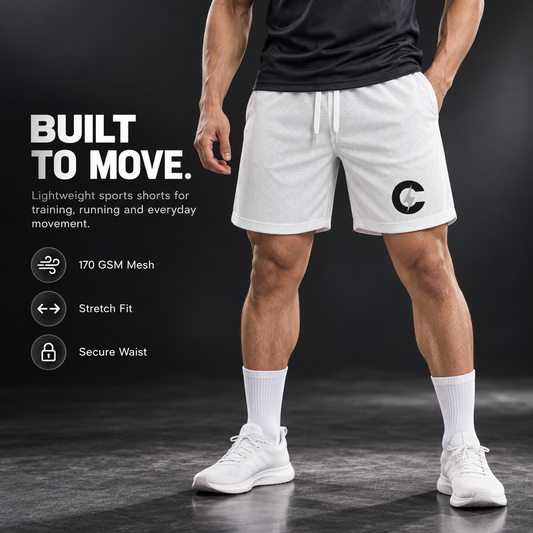
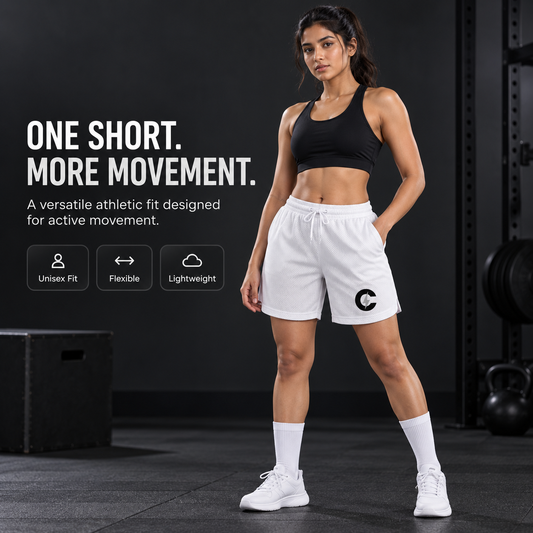
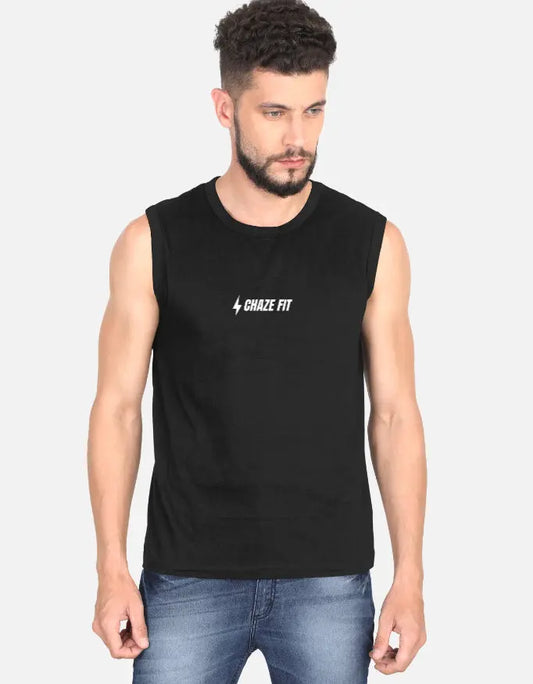
For a training top, inspect the poly-mesh sports T-shirt's current fit and fabric details. For bottoms, compare the sports shorts' outer fit and mesh liner as separate parts of the same garment.
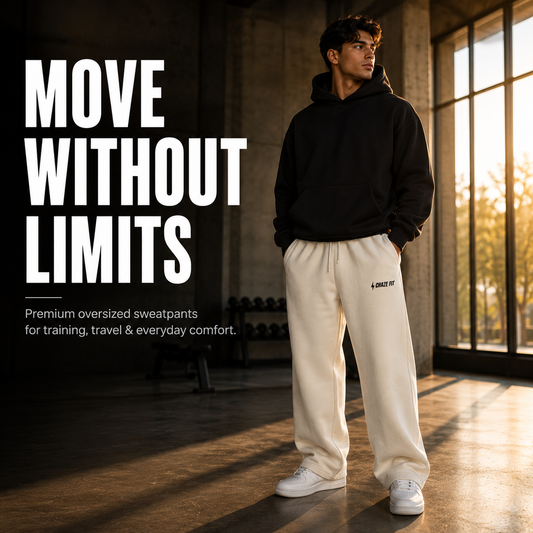
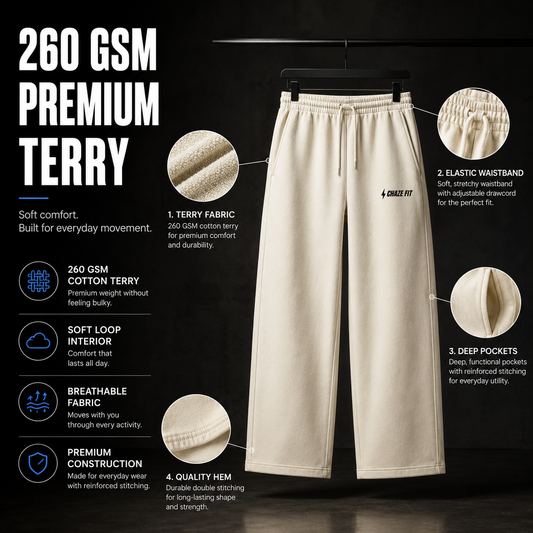
For everyday trousers, compare loose-fit cotton-rich terry sweatpants with the oversized terry option. Confirm each listing's composition and measurements rather than transferring specifications between them.
Ready to shortlist? Browse men's training clothing and everyday layers or women's activewear options, then apply the same checks to the exact selected product. Chaze Fit publishes this guide and sells the linked products.
Frequently asked questions
Does a tighter garment provide better recovery?
No. A tighter fit does not establish fabric recovery, and sizing down does not create a specified compression garment.
Can I compare two products using GSM alone?
No. GSM describes fabric mass per area. Compare construction, fit, intended use and care alongside it.
Does a single try-on prove long-term durability?
No. It can help assess immediate fit and coverage within the seller's conditions, but it is not a repeated-wear or wash test.
Further reading
Can you follow the garment's care routine?
Include washing and drying requirements in your shortlist. If your routine depends on tumble drying, confirm that the exact garment permits it before purchasing. Use the garment-by-garment guide to check care requirements before buying.
Our recommendation: compare the garment you will actually wear
At Chaze Fit, we recommend starting with a familiar garment and a specific problem you want to solve. If your current top pulls across the shoulders, record its measurements and the movement that causes it. If you want a looser silhouette, compare the cut and dimensions instead of treating a higher price or a heavier fabric as the answer.
Put the two shortlisted products beside each other: measurements, fibre, construction, care and delivered cost. That comparison gives you a useful reason to choose one. For the broader outfit decision, choose gym clothing around your activity and coverage preferences.
Published by Chaze Fit. Read about our product perspective and editorial approach.
Tags:
Previous
How to Choose Polo Sizes for a Team: Fit and Order Approval
Next
Activewear Care Guide: Find Washing Instructions by Garment