

Gym Wear By Indian City: Mumbai vs Delhi vs Bangalore vs Chennai
Last Updated: August 2026 | Author: Ankit Mange, Founder, Chaze Fit | Reading Time: 6 minutes
Most gym wear advice treats "India" as one climate, but Mumbai's humidity, Delhi's dry heat and cold winters, Bangalore's mild year-round conditions, and Chennai's sustained heat and humidity each place genuinely different demands on fabric. This guide breaks down what actually changes city to city, and what stays the same regardless of where you train.
City-Specific Buying Guides
For a deeper look at how each city's climate affects a specific product category, see the dedicated guides below - each makes a genuinely different argument based on that city's actual conditions, not just a repeated template:
- Best Gym Vest For Mumbai's Humidity
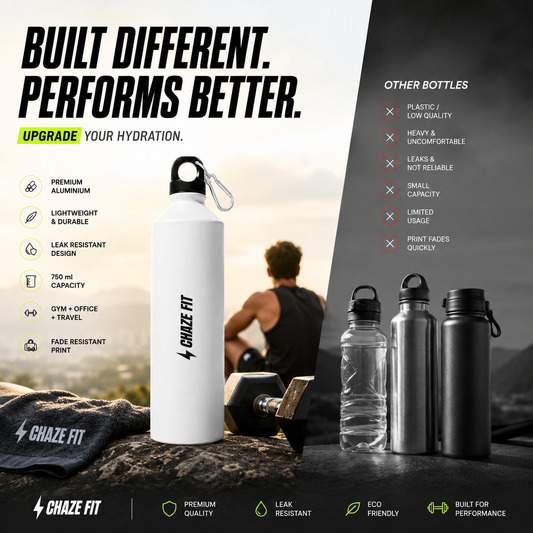
- Best Gym Bottle For Delhi's Summer Heat
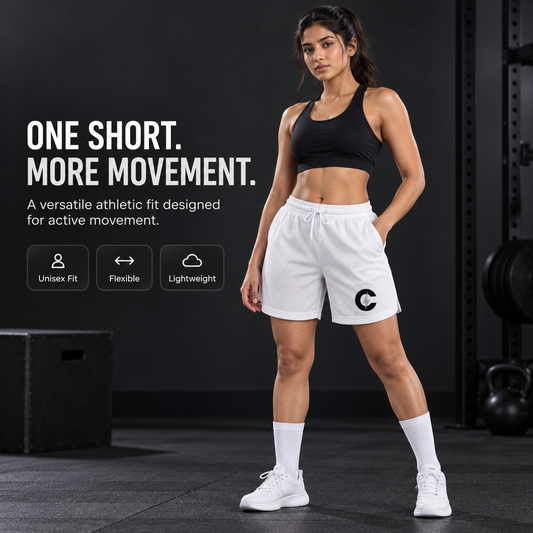
- Best Sports Shorts For Bangalore's Mild Conditions
- Best Arm Sleeves For Chennai's Sun And Humidity
Mumbai: High Humidity Year-Round
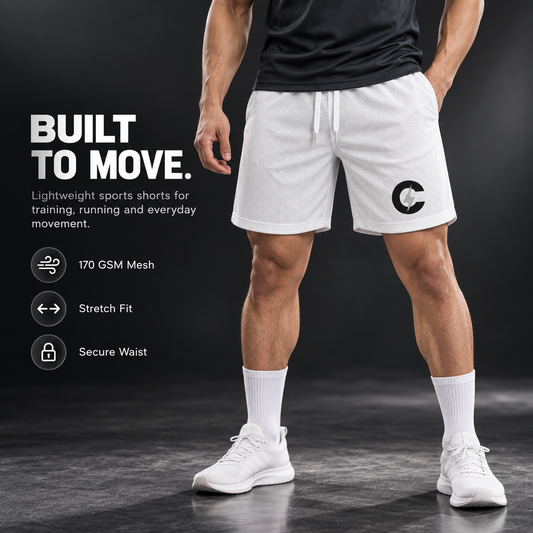
Mumbai's defining feature isn't just heat — it's humidity that stays elevated for most of the year, including a genuinely intense monsoon season. High humidity slows evaporative cooling significantly, which is why moisture-wicking fabric (170 GSM poly mesh, for instance) matters more here than in a drier city at the same temperature. Cotton, which absorbs rather than wicks, performs noticeably worse in Mumbai's humidity than it does in drier conditions.
Priority: Fast-wicking synthetic fabrics for training; quick-dry accessories (headbands, caps) that don't saturate as fast in sustained humidity.
Delhi: Extreme Seasonal Swing
Delhi's summer heat is drier than Mumbai's — genuinely hot, but with lower humidity, which means sweat evaporates more efficiently even at higher temperatures. The bigger differentiator is winter: Delhi's December-February mornings run considerably colder than the other three cities, making a proper layering piece far more relevant here for a longer stretch of the year.
Priority: Standard moisture-wicking gear for summer works well given lower humidity; a genuine winter layer (240 GSM brushed-fleece bomber territory) matters more here than in Mumbai, Bangalore, or Chennai.
Bangalore: The Outlier — Mild Year-Round
Bangalore's elevation gives it a meaningfully milder climate than the other three cities across most of the year, with less extreme heat and generally lower humidity outside monsoon months. This is the one major Indian city where fabric choice matters comparatively less — moderate conditions are more forgiving of a wider range of fabric weights and types.
Priority: More flexibility in fabric choice; layering pieces get more year-round use here than in the other three cities due to more variable daily temperatures even within a mild overall climate.
Chennai: Sustained Heat And Humidity
Chennai combines high heat with high humidity across most of the year, arguably the most consistently demanding combination of the four cities for fabric performance. Unlike Delhi, there's little seasonal relief from a cold snap; unlike Bangalore, there's little year-round comfort from elevation.
Priority: Maximum-breathability fabric choices matter here more consistently than in any other city — poly mesh over cotton for training tops, minimal layering needs outside brief cooler stretches.
Side-By-Side Comparison
| City | Defining Factor | Fabric Priority | Winter Layering Need |
|---|---|---|---|
| Mumbai | Sustained high humidity | Fast-wicking synthetics | Low-moderate |
| Delhi | Dry heat, cold winters | Standard wicking (summer); insulation (winter) | High |
| Bangalore | Mild, moderate year-round | Flexible - less extreme demands | Low-moderate (variable daily swing) |
| Chennai | Sustained heat + humidity | Maximum breathability, consistently | Very low |
What Stays The Same Regardless Of City
Fit fundamentals don't change by geography — a dropped armhole on a vest, a built-in liner on shorts, or a silicone grip on a headband all matter the same way in every city. What changes is the relative priority of moisture management versus insulation, and how much of the year each matters. A bomber jacket earns its place in a Delhi wardrobe for months at a time; in Chennai, it's a rare-occasion piece at best.
Founder Note
Most of our testing has happened in Mumbai, which is part of why our specifications lean toward humidity-first solutions. That's a reasonable default for a lot of India, but it's not universal — someone training through a Delhi winter has a genuinely different priority list than someone in Chennai in August. I wanted this article to be honest about that rather than pretend one specification serves every city equally.
- Ankit Mange, Founder, Chaze Fit
Related Articles
- Winter Gym Commute Outfit Guide
- Running In India's Heat Outfit Guide
- Complete Indian Gym Kit Checklist
- Indian Gym Temperature & Humidity Reference Data
Frequently Asked Questions
1. Do I need different gym wear for different Indian cities?
To some degree, yes - Mumbai's humidity, Delhi's dry heat and cold winters, Bangalore's mild climate, and Chennai's sustained heat and humidity each favour different fabric priorities.
2. Which city is hardest on gym wear fabric?
Chennai and Mumbai both rank high due to sustained heat combined with high humidity, which slows evaporation.
3. Does Delhi need warmer gym wear than other cities?
Yes, seasonally - Delhi's winter mornings run noticeably colder, making a layering piece more relevant for a larger part of the year there.
4. Is Bangalore's climate actually easier on gym wear?
Generally yes - more moderate year-round temperatures put less extreme demand on fabric than the other three cities, though monsoon humidity still applies.
Follow Chaze Fit on Instagram for training tips, product drops, and behind-the-scenes testing.
Follow @chazefit →About The Author
Ankit Mange is the founder of Chaze Fit.