



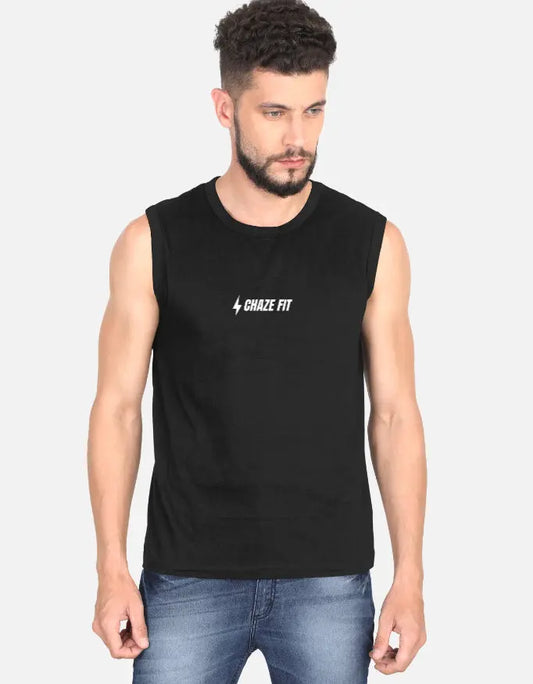
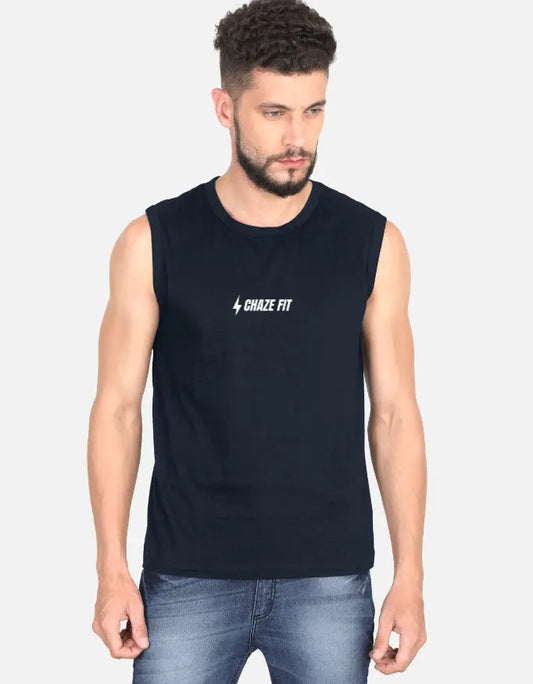

At a glance: Use a Chaze Fit cotton hoodie as an everyday layer for cool, dry commutes, casual outings and travel, adjusting the rest of your clothing to local conditions. The regular, pastel and acid-wash hoodies are listed at 300 GSM, but none has a stated temperature rating or certified weather protection. For snow, prolonged cold exposure or wet outdoor activity, choose clothing designed for those conditions.
Author: Ankit Mange, Founder, Chaze Fit.
A winter outfit for a short office commute has a different job from clothing for a hill-station trip. Even within one day, you may move from a cool morning outside to a warm bus, an air-conditioned office and an evening walk. A useful hoodie is one you can combine with those settings and remove when you no longer need it.
This guide focuses on seasonal use. For detailed product comparisons, begin with the guide to choosing among Chaze Fit’s three hoodie styles. Here, the main decision is when and where to wear the garment.
Plan for your destination and the hour you travel
India does not have one uniform winter. The Ministry of Tourism’s India weather overview describes regional and seasonal variation. Broad regional labels are useful for planning, but they do not replace the forecast for your destination and travel dates.
Check the morning and evening conditions as well as the daytime forecast. Then estimate how much of the day you will spend outdoors. Ten minutes between a vehicle and a building is a different clothing problem from standing outside for several hours. Wind, rain and activity also change what you need from your outer layer.
| Setting | Possible hoodie role | Check before leaving |
|---|---|---|
| Northern plains during winter | An everyday layer within a fuller outfit | Morning conditions, wind and time spent waiting outdoors |
| A mild winter day or cool inland evening | A removable layer over your usual top | Whether you will still want it during the warmer part of the day |
| A warm coastal location | An occasional indoor or travel layer when you personally need it | Humidity, indoor cooling and space to carry it |
| Hill-station or mountain travel | Casual indoor wear when conditions suit | Specialist outdoor clothing for the actual cold, wind and precipitation |
Build an outfit that can change through the day
Begin with a top you are comfortable wearing by itself. Add the hoodie for the cooler part of the journey, then assess whether the destination requires another outer layer. Try the complete combination before travelling: reach forward, sit down and check that the shoulders, sleeves and neckline do not feel crowded.
A regular-cut hoodie may be easier to accommodate inside some jackets, but fit depends on both garments. An oversized hoodie adds more volume, so compare the outer jacket’s room before assuming the two will work together. Keep the hood positioned comfortably at the neckline instead of trapping a bulky fold behind your neck.
Plan where the hoodie will go when you remove it. Reserve space in a bag rather than relying on carrying it in your hand throughout a commute. A layer that is easy to take off is more useful on a changing day than an outfit you feel obliged to keep wearing after you become too warm.

A cold-morning-to-warm-afternoon hoodie plan
| Part of the day | Outfit decision | Practical check |
|---|---|---|
| Cool morning commute | Wear the hoodie over a top you can wear on its own. | Check the forecast and whether extra wind or rain protection is needed. |
| Warmer afternoon | Remove the hoodie when it becomes unnecessary. | Make room in your actual bag before leaving home. |
| Air-conditioned journey | Keep the layer accessible if you expect to need it. | Check seated comfort and sleeve clearance with your bag. |
| After the gym | Change into a dry base top before adding the hoodie. | Keep damp training clothes separate. |
If you want the relaxed embroidered option, plan an acid-wash hoodie outfit for commuting and travel. Compare actual dimensions before choosing: 300 GSM describes fabric weight per area, not the packed size or total weight of the hoodie.
Choose a hoodie for your winter routine
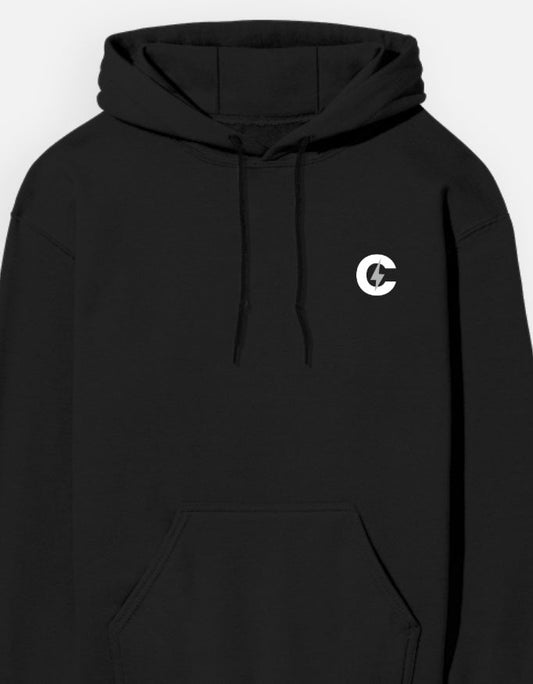
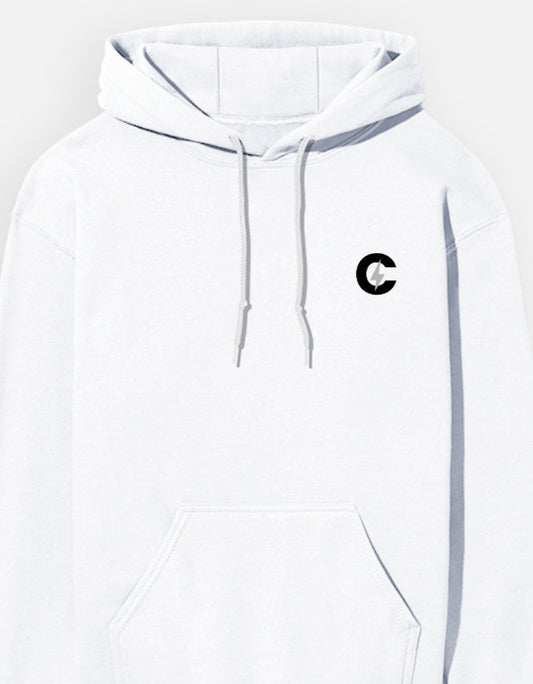
The classic cotton-fleece hoodie for everyday winter outfits is listed as 100% cotton, 300 GSM brushed fleece with a regular fit and ribbed cuffs and hem. Consider this shape when you want a straightforward everyday layer and its measurements work with your usual base top.
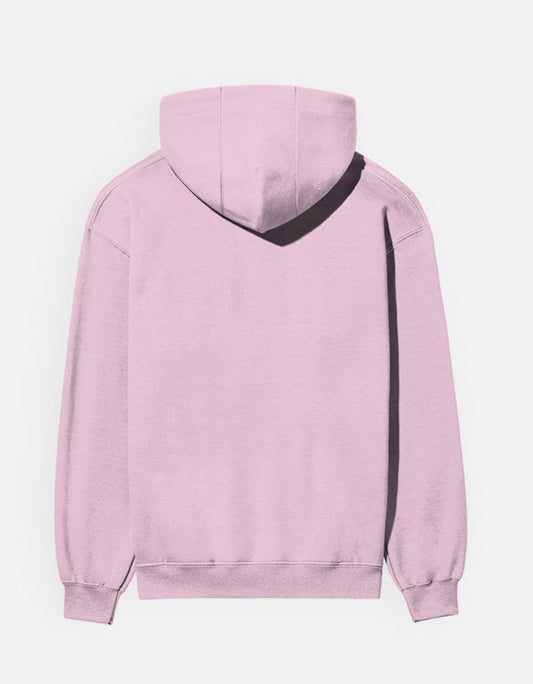
The pastel hoodie for lighter-colour seasonal outfits has the same listed weight and regular-fit brushed-fleece construction. Choose it for the available colour palette; a lighter colour does not mean a lighter fabric or a different winter rating.
The acid-wash hoodie for relaxed winter streetwear is listed as 300 GSM cotton with dropped shoulders, extended sleeves and an oversized shape. It offers a different silhouette for casual outings and travel. The extra volume is a styling feature, not evidence that it provides more insulation.
Separate the gym commute from the workout
A hoodie can be convenient for the journey to a gym and for changing into a dry layer afterward. For the training session itself, choose clothing for your actual workout. If a session is intense or the room is warm, remove the hoodie before you become uncomfortable and use clothing suited to the exercise.
Pack a dry base top if your training clothes will be sweaty on the return journey. Avoid leaving a damp hoodie compressed beside wet kit until the next day. For demanding cold-weather outdoor exercise, cotton is a poor moisture-management choice: REI’s cold-weather clothing guidance recommends managing moisture with suitable base layers and using outer protection appropriate to wind and precipitation.
Use the same planning method in other seasons
During transitions into or out of winter, assess the cooler part of your day and carry the hoodie only when it earns its place. On a warm day, an air-conditioned journey may be your reason to pack a layer, but indoor temperatures and personal comfort vary. You do not need to wear a heavyweight hoodie outdoors merely because you packed it for transport.
During rainy periods, a cotton hoodie should not be treated as rainwear. Keep it dry in transit and use suitable rain protection when needed. For summer outdoor activity in heat, choose a lighter outfit appropriate to the conditions. Seasonal versatility comes from selective use, not a claim that one garment is comfortable everywhere.
Pack for the trip you are taking
Lay out a complete outfit for arrival, including the base top, hoodie and any additional outerwear. Check it while seated with your usual bag or backpack. Keep the layer you expect to remove accessible, and pack clean clothing separately from damp items. For a mountain itinerary, plan the outdoor clothing first; the casual hoodie can then be an optional indoor piece.
Before ordering, compare the size chart with a hoodie you already wear. Use the measurement-led hoodie fit comparison for sizing and the cotton hoodie washing and storage guide for care between wears.
Build your cool-weather outfit: review current sizes and colours for the regular Chaze Fit winter layering option, pastel Chaze Fit casual layer or oversized Chaze Fit travel hoodie. Match the choice to your routine, garment measurements and local forecast.
Finish your seasonal outfit plan
If you are comparing warmth using the fabric label, first review the limits of GSM as a winter buying guide. For lighter-colour outfits, pair pastel fleece with your existing winter wardrobe.
Explore the full Chaze Fit hoodie reading collection.
Ready to choose? prepare your hoodie order for an upcoming trip after settling on the fabric, fit and finish that suit your routine.
Plan an oversized hoodie outfit for travel using the acid-wash guide’s jeans, cargos and sweatpants combinations.
What should you wear for a chilly morning followed by an indoor workout?
Choose the workout outfit first, then consider a removable commute layer. Check the forecast, outdoor waiting time and whether your destination has somewhere to store the layer. A hoodie that feels useful while waiting for transport may become unnecessary once you start exercising indoors.
Plan the return journey too: bring a dry change when your routine calls for one, and avoid treating a damp training outfit as your only option for a cool trip home. Before packing the next day's kit, check washing and drying instructions for each layer. This is a planning checklist, not a temperature rating.
Tags:
Previous
How to Care for a Cotton Hoodie: Washing Brushed Fleece and Acid Wash
Next
Buy a Chaze Fit Hoodie Online in India: Order Checklist
Related articles
-
Oct 04 2026