

Direct answer: 4-way stretch fabric is woven or knitted with elastane fibres running in both directions - lengthwise and widthwise - so it stretches and fully recovers along both axes. 2-way stretch fabric only stretches along one axis (usually width), which means it either restricts movement or stays permanently stretched out of shape after repeated squats and lunges. For gym shorts specifically, 4-way stretch is the difference between fabric that recovers rep after rep and fabric that bunches up by set three. This sits alongside GSM as one of the two main fabric specifications worth checking - see our GSM Reference Chart for the density side of that equation.
Featured Product
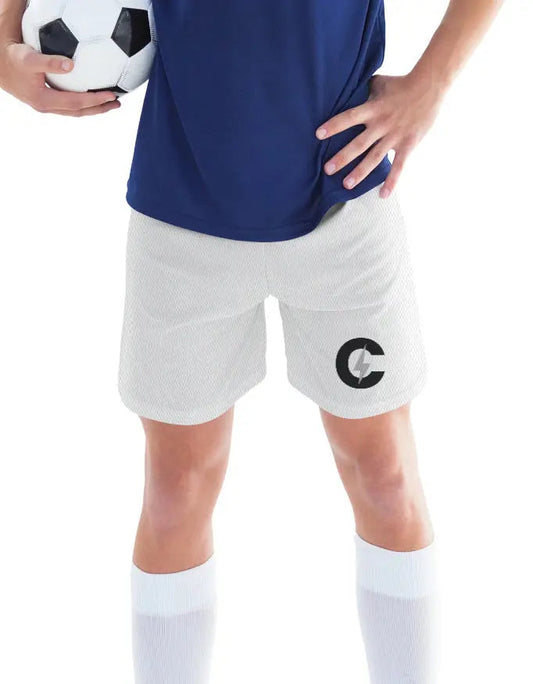
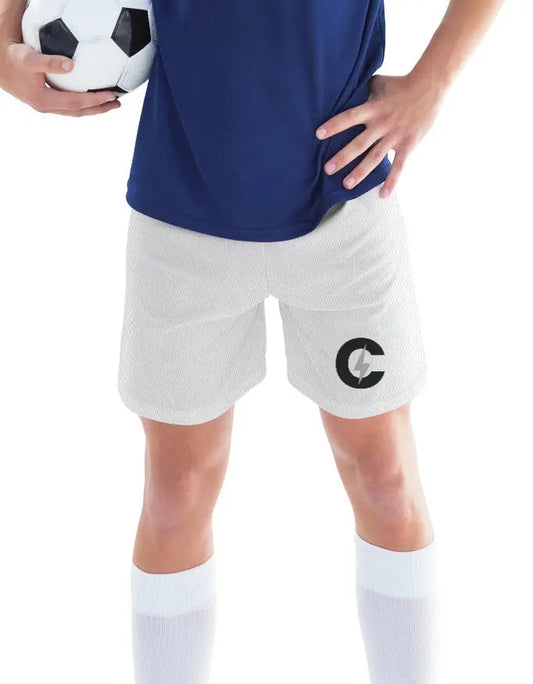
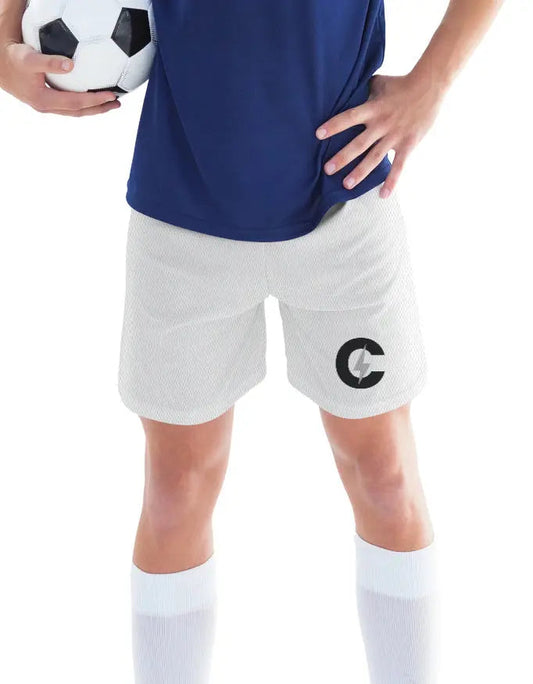
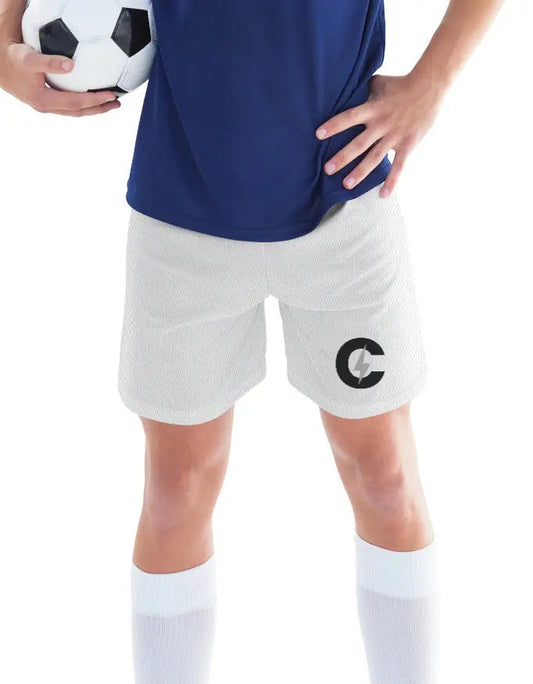
Chaze Fit Quick-Dry Gym Shorts
4-way stretch · Built-in liner · ₹799
Shop Genuine 4-Way Stretch Shorts →The Textile Science, Simplified
Stretch in performance fabric comes from elastane (spandex) fibres blended with the base yarn - polyester, nylon, or a cotton blend. How those elastane fibres are woven or knitted determines stretch direction. In 2-way stretch fabric, elastane runs in only one direction (typically the weft, or width), so the fabric gives when pulled sideways but has little to no give lengthwise. In 4-way stretch fabric, elastane is knitted into both the warp (length) and weft (width), so the fabric stretches and recovers in every direction, including diagonally.
This isn't a marketing distinction - it's measurable. Lay a swatch of 2-way stretch fabric flat and pull it lengthwise: it resists significantly more than pulling it widthwise. Do the same with genuine 4-way stretch fabric and the resistance is roughly even in both directions.
Why This Matters Specifically During A Squat
A deep squat stretches fabric across the thigh and seat in two directions simultaneously: lengthwise as the knee bends and the fabric travels along the leg, and widthwise as the thighs separate at the bottom of the movement. 2-way stretch fabric can only accommodate one of those two stretch demands well. The result is one of two failure modes: either the fabric restricts the movement (you feel resistance at the bottom of the squat), or the fabric gives in the direction it can stretch and then doesn't fully recover, leaving it looser and more prone to bunching on the next rep.
4-way stretch fabric accommodates both stretch directions at once and recovers to its original shape between reps - which is exactly why it's the standard in performance running tights, football kits, and any garment that has to survive repeated multi-directional movement.
"When we were sourcing fabric for the Shorts, 4-way stretch wasn't negotiable. We tested a 2-way stretch version first and it visibly bunched at the inner thigh after a set of 15 squats. That's not a subtle difference once you feel it." - Ankit Mange, Founder, Chaze Fit
How To Tell The Difference Before You Buy
Product listings should state "4-way stretch" explicitly - if a listing just says "stretch fabric" or "stretchy" without specifying direction, it's very likely 2-way stretch, since that's the cheaper and more common option in budget activewear. If you can feel the fabric in person, pull a fold lengthwise and widthwise with roughly equal force and compare the resistance - even give in both directions signals genuine 4-way stretch.
4-Way Stretch And Moisture-Wicking Are Different Properties
It's worth separating these two, since they're often assumed to be the same thing. Stretch direction is about how fabric behaves mechanically under movement. Moisture-wicking is about how fabric handles sweat - moving it to the outer face to evaporate rather than absorbing it. A fabric can be 4-way stretch without being especially moisture-wicking, and vice versa. The Chaze Fit Sports Shorts combine both properties in the same blend, which is why they perform differently from fabrics that only have one or the other. See our full breakdown on what causes chafing for how these two properties interact during actual training.
Does 4-Way Stretch Wear Out Over Time?
All elastane fibres lose some recovery ability after very high wash counts or years of heavy use - this is true of 4-way stretch as much as 2-way. The relevant question is how many wash cycles the fabric holds its recovery for. The Chaze Fit Sports Shorts are tested to maintain stretch recovery through 50+ wash cycles at 30°C, which covers roughly a year or more of regular training use for most people.
Where You'll See This Distinction Matter Most
| Activity | Why 4-Way Stretch Matters |
|---|---|
| Squats and lunges | Fabric stretches lengthwise and widthwise simultaneously |
| HIIT (jump squats, lateral bounds) | Repeated multi-directional stretch under time pressure - see our HIIT outfit guide |
| Running strides | Lengthwise stretch dominates but width still matters at hip rotation |
| Static stretching/yoga | Deep, held stretches in multiple directions at once |
Feel The Difference Yourself
The Chaze Fit Sports Shorts use a genuine 4-way stretch, moisture-wicking blend, tested through repeated squat and lunge sets to confirm full recovery between reps. Priced at ₹799, sizes S-XXL.
Shop the Chaze Fit Sports Shorts →
Frequently Asked Questions
1. What's the actual difference between 2-way and 4-way stretch fabric?
2-way stretch fabric stretches in one direction only; 4-way stretch fabric stretches and recovers in both length and width, plus diagonally.
2. Is 4-way stretch always better than 2-way?
For dynamic, multi-directional movement like squats and HIIT, yes. For simpler garments with less directional movement demand, the difference matters less.
3. How can I check if fabric is genuinely 4-way stretch?
Check the product description for an explicit "4-way stretch" claim, or pull a fabric swatch lengthwise and widthwise to compare resistance if you can feel it in person.
4. Does 4-way stretch fabric cost more to produce?
Generally yes, which is part of why budget shorts more commonly use 2-way stretch or no stretch at all.
5. Does 4-way stretch fabric wear out with washing?
Elastane recovery does degrade over very high wash counts; Chaze Fit's fabric is tested to hold recovery through 50+ wash cycles.
6. Is moisture-wicking the same as 4-way stretch?
No - they're separate fabric properties. One is about mechanical stretch behaviour, the other is about how fabric handles sweat.
7. Why does 2-way stretch fabric bunch up during squats?
Because it can't fully recover in the direction it doesn't stretch, leaving it loosened and prone to folding after repeated reps.
8. Does 4-way stretch fabric feel tighter or looser than 2-way?
It typically feels more even and less restrictive during multi-directional movement, since it isn't fighting against a fixed-length axis.
9. Is 4-way stretch used in running tights and football kits for the same reason?
Yes - both involve repeated multi-directional movement where fabric recovery matters for comfort and performance.
10. Does 4-way stretch fabric reduce chafing?
Indirectly - by recovering fully after each rep, it reduces the bunching that creates friction points, though moisture and seam placement also play a role.
11. Can I tell 4-way stretch fabric apart just by looking at it?
Not reliably by sight alone - you generally need to check the product spec or physically test the stretch in both directions.
12. Does 4-way stretch make fabric less durable?
Not inherently - durability depends more on fibre quality and construction than stretch direction alone.
13. Is 4-way stretch fabric hotter than 2-way stretch?
Not necessarily - breathability depends on the base fibre and weave, which is a separate property from stretch direction.
14. Do Chaze Fit Sports Shorts use 4-way stretch?
Yes - the shell fabric is a genuine 4-way stretch, moisture-wicking blend, tested through repeated squat and lunge sets.
15. Does 4-way stretch matter for casual, non-training wear?
Less critically, since casual wear rarely involves the repeated multi-directional movement that exposes 2-way stretch's limitations.
Related Articles
- The Complete Guide To Quick-Dry Gym Shorts In India
- Why Do Gym Shorts Chafe Your Inner Thighs During Squats?
- Built-In Liner vs Compression Shorts: Which Do You Actually Need?
- Best Gym Shorts In India - Tested & Reviewed
- GSM Reference Chart Across Activewear Categories
Follow Chaze Fit on Instagram for training tips, product drops, and behind-the-scenes testing.
Follow @chazefit →
Tags:
Previous
Best Gym Shorts In India - Tested & Reviewed
Next
How To Wash Gym Shorts Without Losing Stretch Or Liner Shape
Related articles
-
Aug 10 2026
Buy Sports Shorts Online India: Price & Sizes
-
Jul 17 2026