

Quick answer: GSM measures the mass of one square metre of fabric, not the weight or performance of a finished garment. Compare GSM alongside fibre, construction, fit and use; one number cannot establish breathability or durability.
GSM means grams per square metre: the mass of a defined area of fabric. It helps compare fabric weight, but there is no single GSM number that makes every running shirt, jogger or gym sweatsuit the right choice. Read it alongside composition, construction, fit and intended use.
Listed GSM for five different garments. A longer bar means more fabric mass per square metre, not better performance.
Training T-shirt170 GSM
Poly mesh
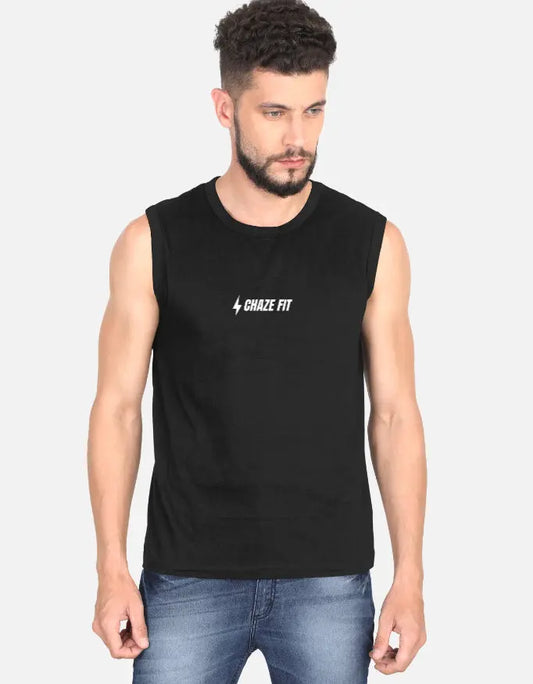
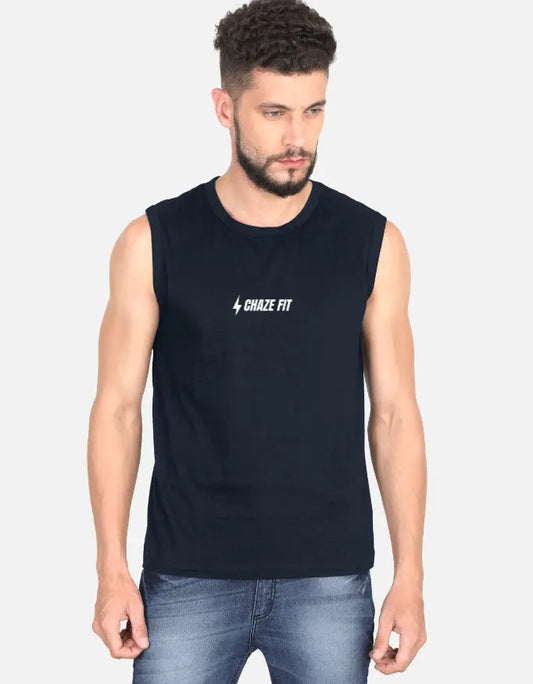
Sleeveless T-shirt180 GSM
Cotton
Airtex polo220 GSM
Cotton knit
Bomber jacket240 GSM
Brushed fleece
Terry sweatpants260 GSM
French terry cotton
Source: linked Chaze Fit product specifications, checked 2 October 2026. Different fibres and garment types are shown; GSM alone does not determine warmth, opacity, drying time or durability.
What does GSM measure?
One square metre of fabric labelled 170 GSM has a nominal mass of 170 grams. That does not mean a finished T-shirt weighs 170 grams. Garment size, fabric area and components affect the completed weight.
GSM does not directly measure breathability, opacity, drying speed, stretch recovery or durability. Two fabrics with the same GSM can use different fibres and constructions. Avoid treating the number as a complete quality score.
Is there a standard running-shirt GSM?
No universal target is established by this guide. Start with a shirt’s intended use, fit and construction, then compare its listed weight with a top you already find comfortable. The lightest fabric is not automatically the best choice if its coverage, seams or cut do not suit you.
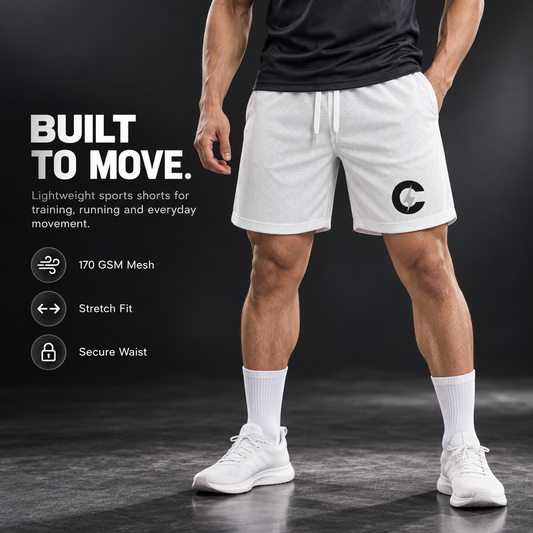
The Chaze Fit training T-shirt lists 170 GSM poly mesh. That is the specification of one product, not an industry requirement for every running shirt. Ask for product-specific performance evidence when a claim such as drying time matters to your purchase.
What GSM is good for joggers?
Decide whether you want lightweight training bottoms, relaxed everyday clothing or a warmer layer, then compare actual products. Consider waistband comfort, seat and thigh room, rise and leg opening as well as the inner surface. A fabric weight cannot fix the wrong cut.
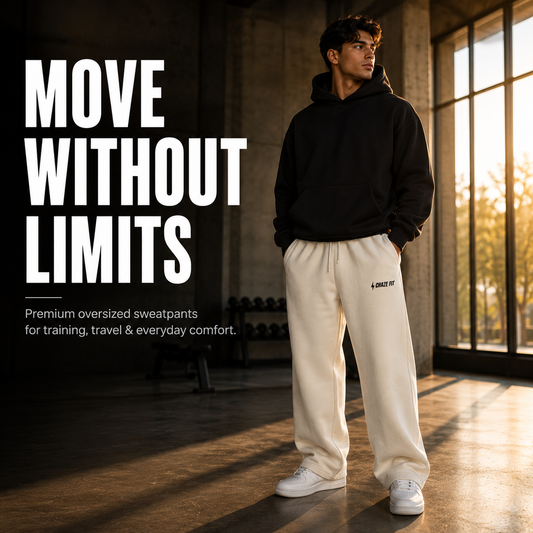
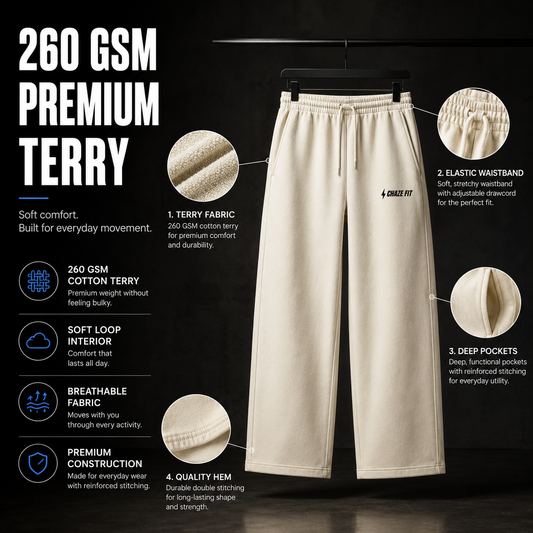
The Chaze Fit oversized sweatpants list 260 GSM French terry cotton. Choose them if that construction and fit match your requirements. Compare a different design when you specifically want a slim training cut or insulated winter clothing.
What is a good GSM for a gym sweatsuit?
Check the top and bottoms separately. A set can use different fabrics, finishes and weights in each piece. Ask whether the listed GSM applies to both garments and whether the inside is looped, brushed or another construction. The word “sweatsuit” does not establish warmth or suitability for a particular room temperature.
For a commute, consider which layers you will remove before exercising and where you will carry them. For training, evaluate both pieces during reaching, sitting and bending. You may prefer to buy the pieces separately if their fit requirements differ.
How can you compare listed Chaze Fit fabric weights?
| Garment | Listed fabric weight | Other details to compare |
|---|---|---|
| Poly-mesh training T-shirt | 170 GSM | Sleeve coverage, fit and care |
| Cotton sleeveless T-shirt | 180 GSM | Armhole, chest and hem coverage |
| French terry sweatpants | 260 GSM | Rise, seat room, leg length and inside texture |
These are product-listing specifications, not recommended minimums or results from comparative wear tests. Confirm the current product details before ordering.
Does 300 GSM automatically beat 260 GSM?
No. At equal fabric area, 300 GSM has 40 grams more mass per square metre than 260 GSM. That arithmetic does not establish which completed garment is more comfortable, warmer or longer-lasting. See the French terry fabric and fit guide for the broader buying comparison.
What should you ask before buying?
- What is the exact fibre composition and construction?
- Does the size chart describe body or garment measurements?
- What evidence supports any opacity, drying or durability claim?
- What washing and drying method does the care label specify?
- Does the selected variant suit your coverage, fit and budget?
Frequently asked questions
Does higher GSM always mean better quality?
No. It means more fabric mass per unit area. Quality and suitability require other information.
Can GSM guarantee a top will not be see-through?
No. Assess the actual fabric, colour, stretch, fit and conditions rather than relying on the number alone.
Is the same GSM right for shirts and joggers?
Not necessarily. Different garments have different jobs and constructions. Compare within the product category and your intended use.
Where can I check fit before ordering?
Read the exact product chart and ask about missing measurements. Review current purchase and return terms before choosing.
Continue your comparison
What is the best GSM for sweatpants?
There is no single best GSM for every pair of sweatpants. Start with where you will wear them, the inner texture you prefer and the cut you need. Compare fabric weight within that context rather than treating a higher number as an automatic upgrade.
CHAZE FIT · BUYING AND USE GUIDE
Choose sweatpants by use, not GSM alone
TRAINING
Check freedom of movement, waistband security and the intended activity.
EVERYDAY OR TRAVEL
Check seated comfort, rise, thigh room and the inside texture.
COOL-WEATHER LAYERING
Review construction and other layers; fabric weight alone is not a temperature rating.
Which details should you check alongside GSM?
Ask for fibre composition, whether the reverse is looped or brushed, waist and leg measurements, and care instructions. If you already own comfortable sweatpants, use their fit and texture as a reference.
Continue to the French terry sweatpants fabric and fit comparison or compare terry and fleece interiors for your everyday routine before choosing a fabric weight.
For the next buying decision, check fit and recovery alongside fabric weight. The guide separates immediate fit checks from claims that need repeated-wear evidence.
Tags:
Previous
Gym Temperature and Humidity: How to Assess Your Training Space
Next
Gym Wear Fabric Failure Diagnostic: Symptom, Cause, And Fix