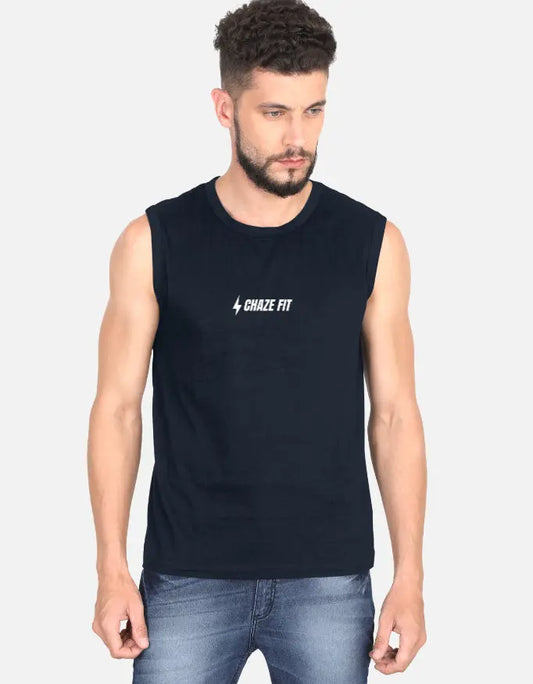

At a glance: Use a flexible tape, the seller’s measuring diagram and consistent units. Check whether the chart describes body measurements or a finished garment before choosing a size.
Gather the right measuring tools
A flexible tailor’s tape is the simplest option for measuring around the body. If using a non-stretch strip as a temporary guide, mark the overlap and measure it flat against a ruler. Treat that as an estimate to recheck, especially if you are between sizes. A stretchy cord or a bent rigid ruler can introduce error.
Match each measurement to the chart
For chest or bust, waist and hip, follow the positions and posture shown by the brand. Keep the tape level and in contact without pulling the body inward. Do not substitute a clothing size, trouser label or a measurement taken at a different point.
For shoulder width, sleeve length and body length, establish whether the chart expects measurements from a garment or the wearer. Record the units with the number.
Do not mix circumference and flat width
A laid-flat chest width is a garment dimension; a chest circumference goes around the body. They answer different questions. If the seller uses flat measurements, compare a similar garment you already wear comfortably using the same method. Do not assume doubling a width supplies a recommended body-size range.
Use the category-specific guide
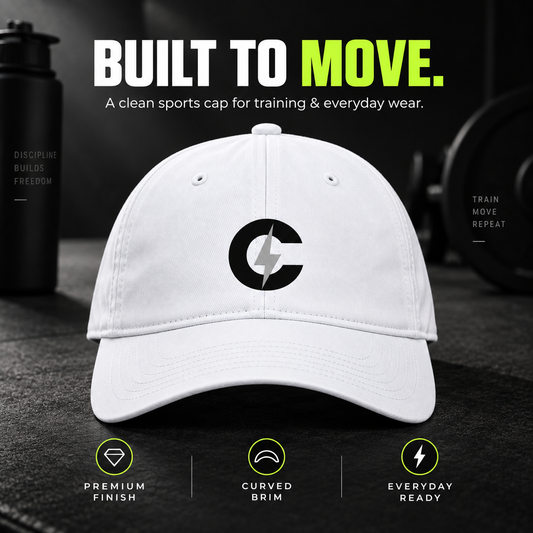
Caps, arm sleeves and sports bras need different measuring points. Follow the exact diagram rather than adding a universal allowance or flexing the arm for every sleeve.
- measure for arm-sleeve sizing
- measure your head for a sports cap
- check sports-bra measurements and coverage
- compare polo dimensions and fit
When you are between sizes
When the width seems right but the length does not, use our length checklist for tall workout outfits to identify the measurement you still need.
Compare the measurement that would constrain movement or coverage in each option. More width can also mean more length; sizing down is not a way to create compression. Ask the seller about an unclear chart before ordering.
Chaze Fit’s current policy covers qualifying damaged, defective or incorrectly supplied products within five days. It does not promise an exchange simply because the correctly supplied size does not fit. Read the current refund policy and resolve sizing questions before paying.
Frequently asked questions
Can I use my usual medium or large size?
Use it only as a starting point. Compare the exact product chart and its measurement definitions.
Should I automatically size up if I am uncertain?
No. Compare the relevant width and length, then ask for the missing information rather than guessing.
Tags:
Previous
Chaze Fit Official Website: How To Find Us And What We Sell
Next
Choosing a Gym Vest in Mumbai: Fit and Between-Session Care