


Best Gym Vest For Mumbai's Humidity: Why Drying Time Matters More Than GSM Alone
Last Updated: August 2026 | Author: Ankit Mange, Founder, Chaze Fit | Reading Time: 5 minutes
For Mumbai's year-round humidity (60-80%, spiking to 75-95% during monsoon), the 180 GSM cotton threshold that prevents see-through matters as much as it does anywhere in India - but the bigger practical difference is drying time, since Mumbai's constant moisture in the air means a saturated vest stays wet far longer than the same vest would in a drier city at the same temperature.
Why Mumbai Is A Different Case From Delhi Or Bangalore
Most Indian gym-wear advice treats "hot and humid" as one undifferentiated condition. Mumbai's climate is specifically a coastal humidity problem more than an extreme-heat problem - ambient temperature during training hours typically sits in the 28-34°C range, genuinely hot but not extreme by Indian standards, while humidity stays elevated essentially year-round rather than swinging seasonally. For the full seasonal humidity data across Indian cities, see our Indian Gym Temperature & Humidity Reference.
Why This Changes What Actually Matters In A Vest
The 180 GSM cotton threshold that prevents a gym vest from turning see-through when sweat-saturated is a fixed fabric-physics number - it doesn't change city to city. What changes in Mumbai specifically is how much of a training session the vest spends in that saturated state. In a drier city, sweat evaporates from cotton fibre relatively quickly even without technical wicking fabric, so a vest spends less time fully soaked. In Mumbai's humidity, evaporation is slower because the surrounding air is already close to moisture-saturated, so a cotton vest can stay wet for the majority of a session rather than cycling between damp and dry.
Monsoon Specifically: The Extreme Case
Mumbai's June-September monsoon pushes humidity to 75-95%, the highest sustained humidity band anywhere in this reference data. During this period, a 180 GSM cotton vest that performs adequately the rest of the year can feel genuinely uncomfortable - not from opacity risk, but from the vest simply never fully drying between wears if washed and hung indoors without active airflow. This is a laundering problem as much as a training-session problem; see our why cotton fabric develops musty odour in monsoon humidity for the underlying mechanism, which applies to vests as much as sweatpants.
What This Means Practically For A Mumbai Gym-Goer
- 180 GSM cotton remains the correct opacity threshold - this doesn't change for Mumbai specifically.
- Own two vests rather than one if training most days - Mumbai's slower drying time means a single vest is less likely to be fully dry by the next session compared to a drier city.
- Active airflow drying matters more here than elsewhere - a fan or genuinely ventilated drying spot makes a bigger practical difference in Mumbai than in a low-humidity city where ambient air alone dries fabric adequately.
The Chaze Fit FlexDry Gym Vest In Mumbai Conditions
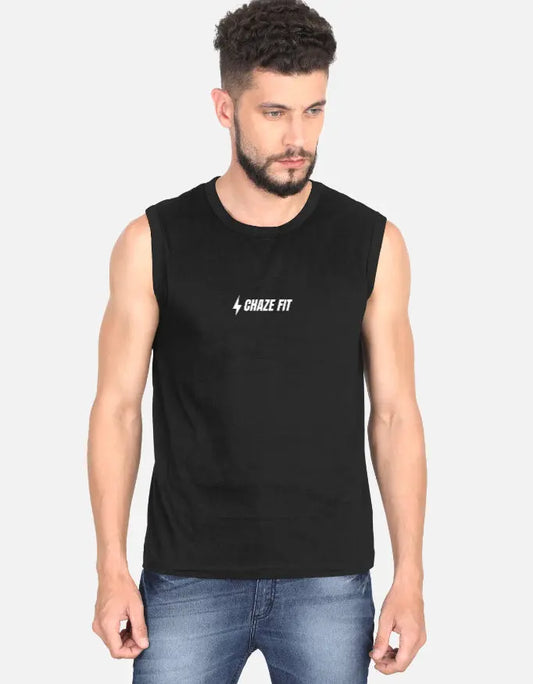
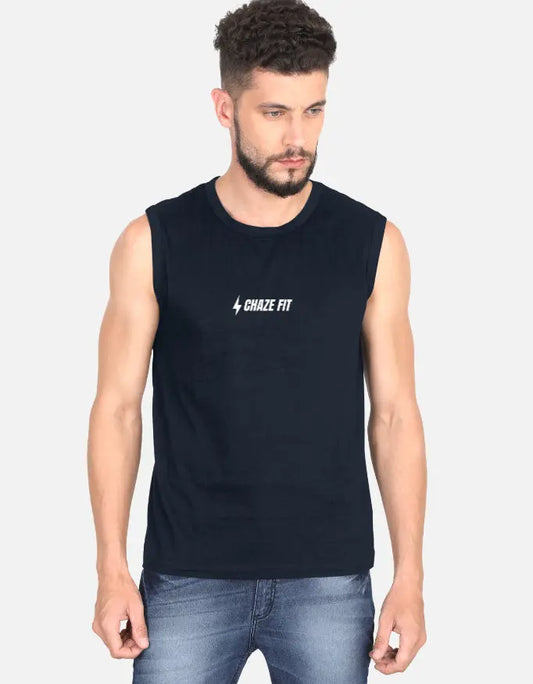
The Chaze Fit FlexDry Gym Vest was specifically tested across three Mumbai gyms - AC, semi-AC, and non-AC - as part of its original specification testing, making Mumbai humidity part of the baseline test condition rather than an edge case. For the full opacity testing data, read why gym vests turn see-through when you sweat.
Related Articles
- The Complete Guide To Men's Gym Vests In India
- Indian Gym Temperature & Humidity Reference Data
- Gym Wear By Indian City: Mumbai vs Delhi vs Bangalore vs Chennai
Frequently Asked Questions
What makes Mumbai gym conditions different from other Indian cities?
Mumbai's humidity stays elevated year-round (60-80%) rather than swinging seasonally like Delhi's, and spikes to 75-95% during monsoon (June-September). This constant moisture in the air slows fabric drying and evaporation, which is why a vest that performs fine in a drier city can still feel perpetually damp in Mumbai even at a lower ambient temperature.
Does the 180 GSM opacity threshold change for Mumbai specifically?
No - the 180 GSM opacity threshold is a fabric physics constant, not a city-specific number. What changes in Mumbai is how long the vest stays sweat-saturated, since high ambient humidity slows evaporation, meaning the vest spends more of a session at that saturated, opacity-tested state than it would in a drier city.
About The Author
Ankit Mange is the founder of Chaze Fit, based in Mumbai. The FlexDry Gym Vest was tested across three Mumbai gyms during its original development.
Follow Chaze Fit on Instagram for training tips, product drops, and behind-the-scenes testing.
Follow @chazefit →