
At a glance: Solve uncomfortable gym clothing by identifying the problem first: damp fabric, restrictive fit, forehead sweat, unwanted coverage or a wet commute. Chaze Fit offers poly-mesh training tees, stretch shorts, grip headbands and separate everyday layers for these different needs, but no garment can remove humidity, stop sweating or replace suitable weather protection.
A T-shirt that feels fine at home can become distracting during a humid workout. Shorts may stretch through a squat while their inner liner still feels tight. A hoodie that suits the journey can feel unnecessary once training begins. These are different problems, and buying everything under a single “performance” label is unlikely to resolve them all.
Start by noticing when the discomfort appears: before exercise, during repeated movement, after the commute or while waiting for clothes to dry. Then change the part of the outfit or routine responsible. This guide connects those observations to practical actions and the current Chaze Fit product specifications, so you can decide what is worth buying and what can be improved with clothing you already own.
Identify the problem before choosing a product
| What you notice | First action | Chaze Fit option to assess | Limit to remember |
|---|---|---|---|
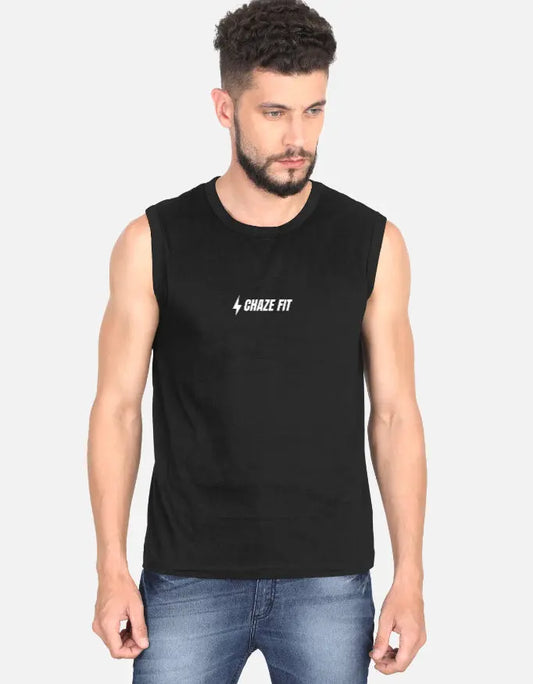
| Your top feels clingy during a sweaty session | Review fit, fabric and unnecessary layers | 170 GSM poly-mesh sports tee | No fixed drying time or guaranteed cooling effect |
| Shorts pull or the liner feels uncomfortable | Check the shell and liner separately | Four-way stretch shorts with mesh liner | Stretch does not correct the wrong size or liner preference |
| Hair or forehead sweat interrupts you | Check hairstyle, band placement and towel access | Poly-spandex headband with silicone grip | A band can saturate or shift |
| Full-length bottoms feel excessive during training | Choose coverage for the session | Sports shorts instead of commute sweatpants | Less coverage is a preference, not a universal requirement |
| Your journey and workout need different layers | Pack a dry change and remove layers as needed | Terry sweatpants or a cotton hoodie for suitable everyday conditions | These are not rainwear or technical cold-weather protection |
| Clothing is still damp before the next session | Review washing, airflow and drying space | Consider a rotation only if the routine needs it | Another purchase cannot fix damp storage |
Problem: a damp, clingy top distracts you during exercise
Practical solution: separate fabric choice from fit. Check whether the top pulls across the chest or shoulders before exercise, and whether an extra layer is unnecessary for the room. A close fit you dislike when dry may become more noticeable when damp. Replacing the fibre without correcting the cut may leave the original discomfort unresolved.
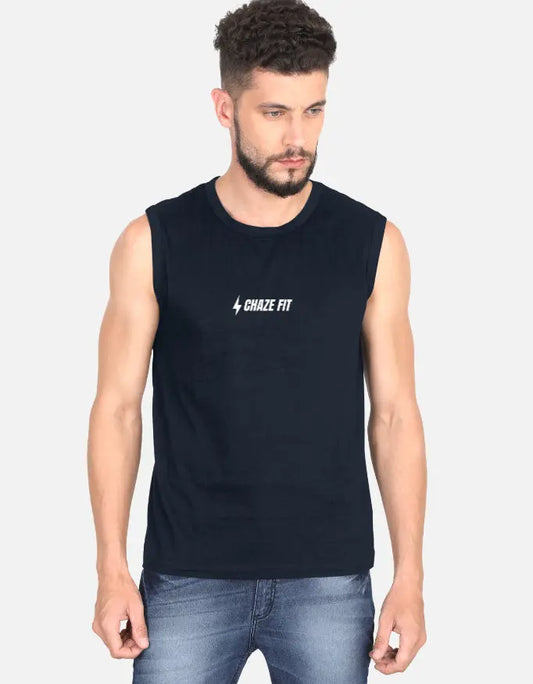
Relevant product: the Chaze Fit poly-mesh training T-shirt is listed at 170 GSM with a regular unisex fit and moisture-wicking finish. Consider it if you want a sleeved training tee in that construction. Compare the shoulder, chest and length measurements with a comfortable top rather than choosing a smaller size in pursuit of a “performance” fit.
The specification gives you a concrete product to compare, not a promise of staying dry throughout every session. If your current clothing already works well, changing it merely because another fabric sounds more technical may add little value.

Problem: hot or humid conditions make every outfit feel uncomfortable
Practical solution: consider the setting as well as the garment. The National Weather Service explanation of heat assessment shows why air temperature alone is incomplete: humidity matters, and assessments for active people can also account for wind and sunlight. A fabric label cannot describe those conditions for you.
Check the local forecast for an outdoor session and the actual ventilation of an indoor space. Remove an unnecessary outer layer and reassess the activity setting. Do not turn a city name into a permanent clothing rule: an air-conditioned room and an outdoor journey in the same city can require different choices.
Relevant product: a training tee and stretch sports shorts for shorter leg coverage may suit your preferences when a full-length, layered outfit feels excessive. Their role is to offer a different clothing arrangement. They do not make extreme heat safe or guarantee a particular body temperature.
Problem: the shorts stretch, but something still pulls or rubs
Practical solution: inspect the complete garment. Notice whether pressure comes from the waistband, the outer leg opening or the attached liner. Consider pocket contents and extra inner layers as well. A fabric that stretches in several directions cannot compensate for every seam position, garment proportion or unwanted layer.
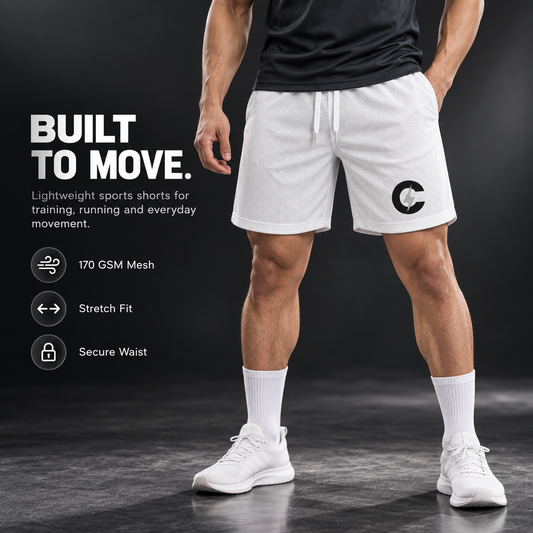
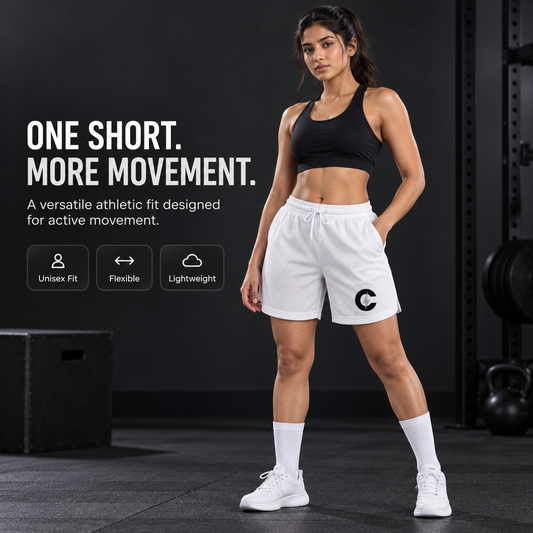
Relevant product: Chaze Fit sports shorts specify four-way stretch, an elastic drawstring waist and a built-in mesh liner. Choose them when you want that integrated construction, then assess both layers. If independent inner-layer selection is your priority, an unlined design may be the more appropriate purchase.
Use the lined and unlined shorts comparison before deciding. Neither a mesh liner nor stretch fabric establishes compression support or guaranteed chafe prevention.
Problem: hair and forehead sweat keep interrupting the session
Practical solution: decide whether you mainly need hair control, a fabric area at the forehead, or both. Check where a band can sit comfortably with your usual hairstyle. Keep a towel available and adjust a shifting band instead of repeatedly pulling it tighter.
Relevant product: the Chaze Fit silicone-grip sports headband is a poly-spandex fabric band with a listed 4 cm width and 4 mm silicone grip strip. The strip is intended to help hold its position; the product is not a solid silicone band. Consider it for its fit and placement rather than assuming the same result for every head shape.
A band may still become saturated or need repositioning. It should not be sold as a way to stop sweating, provide unlimited absorption or replace sun protection. Choose it when the specific forehead or hair-control task matters to you.

Problem: rain on the commute leaves your training outfit wet
Practical solution: keep the clothes you plan to train in dry during the journey. Use suitable rain protection and a separate protective pouch for a change of clothing. After the session, keep damp garments separate from clean items and unpack them when you arrive.
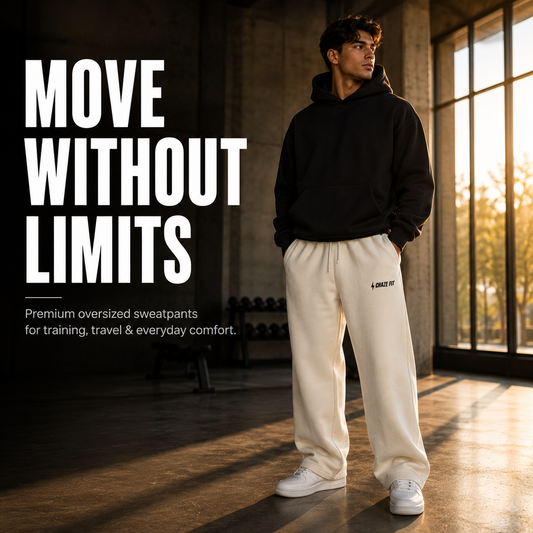
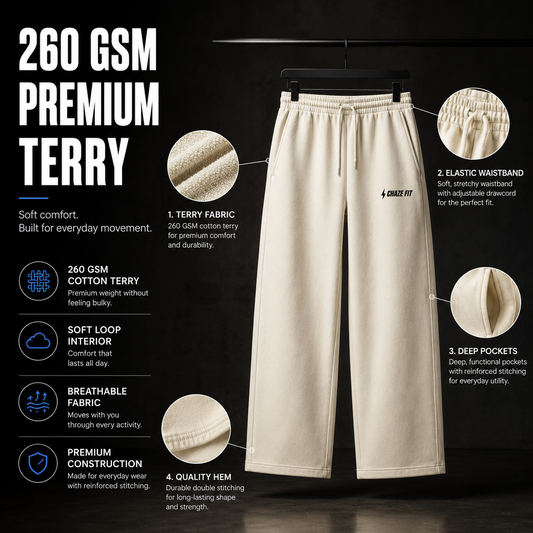
Product role: choose the tee or shorts for exercise, then use a separate dry layer for the destination when needed. The 260 GSM terry sweatpants for everyday and commute wear offer relaxed full-length coverage. The regular cotton-fleece hoodie for cooler parts of the journey is another optional layer when conditions suit.
Neither cotton terry nor brushed fleece should be presented as waterproof clothing. “Quick-dry” also does not mean rainproof. If exposure to rain is the unresolved problem, weather protection and packing may be the necessary changes before buying more gym apparel.
Problem: clothes are not ready for the next workout
Practical solution: follow the care label, allow room for drying and avoid leaving damp clothing compressed in a bag. Check thicker seams, waistbands and liners before storage. Use the washing and drying settings permitted for the garment rather than improvising high heat to meet a deadline.
Product role: a second suitable training top may help a frequent routine by allowing more time between uses, but there is no universal number of outfits everyone needs. First check how often you train, when you wash and where clothes dry. Buy another item only when that rotation solves a real gap.
Buy the item that addresses your repeated problem
Write down the discomfort you want to change, then compare the corresponding specification. For a different training-top construction, review sports tee sizes and fabric details. For integrated lined bottoms, check the shorts fit and current options. For forehead coverage, view the grip headband specification.
Choose each size independently, check the current price and availability, and read the delivery and returns terms before paying. For a two-piece purchase, follow the gym T-shirt and shorts ordering checklist. Begin with one useful change, assess whether it addresses your problem, and build the rest of the outfit around the clothing that already works.
Take the next step with your workout kit
If your clothes are not ready between sessions, follow the washing, drying and tee-rotation guide. If your forehead accessory moves or feels different after use, work through the headband grip and care checklist before replacing it.
Tags:
Previous
Gym Water Access and Bottle Refill Checklist
Next
Build a Beginner Gym Wardrobe: Start with What You Need