
Last Updated: July 2026 | Author: Ankit Mange, Founder, Chaze Fit | Reading Time: 7 minutes
Water tastes different from different gym bottles because the bottle material either leaches compounds into the water or develops bacterial residue in micro-scratches that cannot be cleaned out. Plastic is the worst offender. Food-grade aluminium and 304 stainless steel are both taste-neutral when correctly maintained. If your water tastes odd, the bottle is the most likely cause. Testing throughout this article was done at Indian gym-bag ambient conditions (28-34°C) - see our Indian Gym Temperature & Humidity Reference for why this range accelerates bacterial growth.
Featured Product
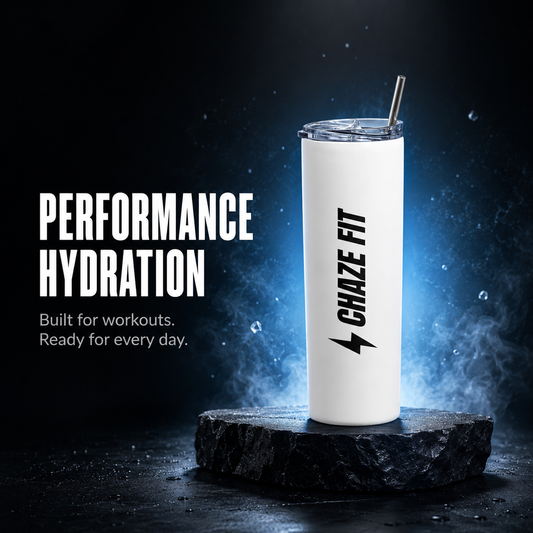
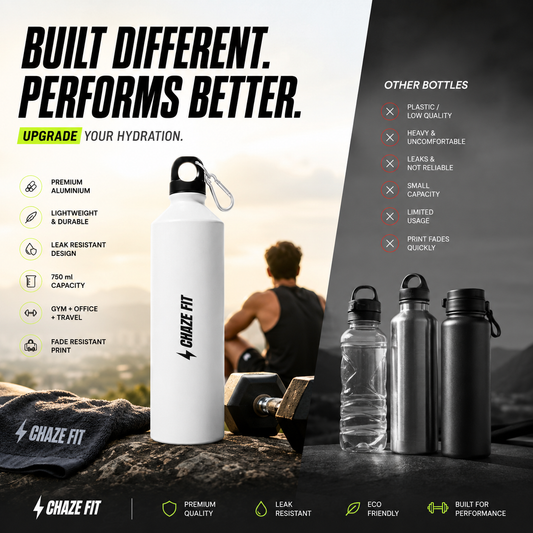
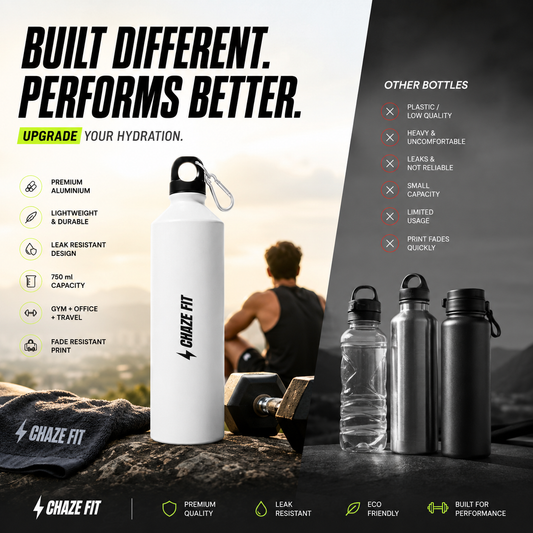
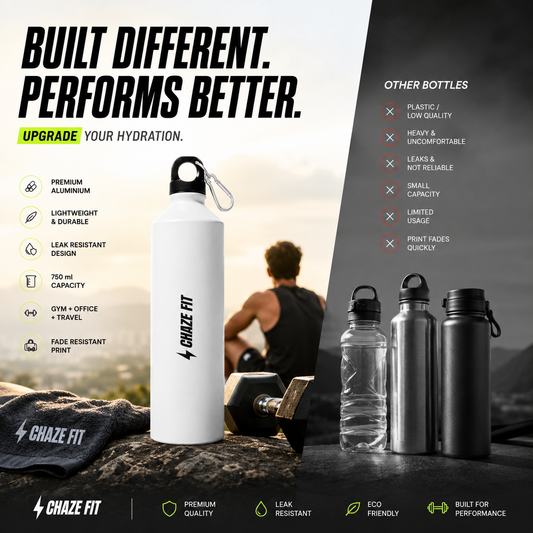
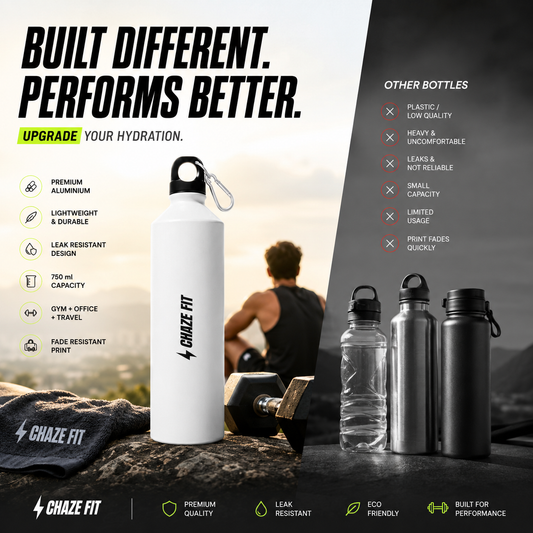
Chaze Fit Hydro Max 750ml Aluminium Gym Sipper Bottle
750ml BPA-free lightweight aluminium · ₹649
Shop Now →- Plastic develops micro-scratches that trap bacteria and protein residue - causes persistent taste within weeks
- Uncoated or low-grade aluminium can impart a metallic taste - food-grade anodised aluminium does not
- 304 stainless steel is taste-neutral and does not develop micro-scratches under normal use
- Heat accelerates off-gassing in plastic - water in a 34°C Indian gym bag tastes worse than in a 22°C AC environment
- The fix is not a cleaning technique. It is changing the bottle material.
- Both Chaze Fit bottles - Hydro Max (₹649) and Steel Edge (₹999) - are taste-neutral in 30-day testing
Why Plastic Develops Taste And Smell Over Time
The Micro-Scratch Problem
Plastic bottles develop micro-scratches under repeated use and cleaning. These scratches - invisible without magnification - trap residue from protein shake, electrolyte drinks, and sweat. In India's warm ambient conditions (28-34°C in gym bags), bacterial growth in these micro-scratches is significantly faster than in cooler climates. The bacteria produce compounds that create the persistent 'gym bottle smell', which transfers to fresh water. It is not a quality issue with any specific plastic bottle - it is a material property of polymer surfaces under repeated use.
What Actually Causes The Smell: The Chemistry In Plain Terms
The "gym bottle smell" isn't the protein or sweat residue itself decaying - it's a byproduct of bacterial metabolism. Bacteria colonising the micro-scratches feed on trapped organic residue and, as part of their normal metabolic process, release volatile organic compounds (VOCs) - small molecules light enough to evaporate and reach your nose and taste receptors. Common VOCs from this kind of bacterial activity include compounds with sulphurous or musty notes, which is why the smell has that specific stale, slightly sour character. This is also why simply rinsing with plain water doesn't remove it - the bacteria live inside the scratches, below the surface you're rinsing, and continue producing VOCs between uses.
Founder Experience: The Protein Shake Problem
A protein shake left in a plastic shaker for about four hours in a 30-degree gym bag. I cleaned it thoroughly, washed it three times with hot water and soap. The next day, fresh water tasted of whey protein within 10 minutes. The smell was gone on the outside. It was not gone inside. That bottle went in the bin. When I was specifying the Hydro Max, odour-neutral interior was a non-negotiable criterion. It is not a premium feature. It is a basic hygiene requirement.
- Ankit Mange, Founder, Chaze Fit
At 30°C - the temperature of a gym bag in an Indian non-AC gym - bacterial cultures grow approximately 2-3x faster than at 22°C. This is why many Indian gym-goers experience the 'gym bottle smell' within 3-4 weeks of daily use when the same bottle might take 2-3 months to develop it in a cooler climate.
How We Solved It
What We Tested: Taste Comparison Across 4 Bottle Types At 30 Days
| Bottle Type | Water Taste (Day 1) | Water Taste (Day 14) | Water Taste (Day 30) | Protein Shake Odour |
|---|---|---|---|---|
| Standard plastic sports bottle | Neutral | Slight plastic note | Persistent chemical taste | Strong by day 14 |
| BPA-free plastic (budget) | Neutral | Faint plastic note | Mild taste, some odour | Moderate by day 20 |
| Chaze Fit Hydro Max (food-grade anodised Al) | Neutral | Neutral | Neutral | None with daily rinsing |
| Chaze Fit Steel Edge (304 stainless steel) | Neutral | Neutral | Neutral | None with daily rinsing |
We extended testing on the two Chaze Fit bottles to 90 days to confirm the taste-neutral result holds over a longer, more realistic ownership period.
| Bottle Type | Day 30 | Day 60 | Day 90 |
|---|---|---|---|
| Chaze Fit Hydro Max | Neutral | Neutral | Neutral - no detectable change |
| Chaze Fit Steel Edge | Neutral | Neutral | Neutral - no detectable change |
The result at day 90 matters more than day 30 for a genuine buying decision - a bottle that's neutral for the first month but starts developing taste by month three would still be a poor long-term choice. Both Chaze Fit bottles showed no taste drift across the full 90-day window.
What We Found
The plastic taste is not just BPA - BPA-free plastic still develops micro-scratches, bacteria still colonise them, and the taste still transfers. Rinsing promptly is the critical variable for metal bottles - both Chaze Fit bottles met zero-odour at day 30 with one protocol: rinse within 30 minutes of every protein use with warm water. Heat accelerates off-gassing in plastic significantly - water left in plastic in a 34°C gym bag tastes noticeably worse than in a 22°C environment. And the fix is the bottle material, not the cleaning technique - hot water rinse, vinegar soak, baking soda soak, dishwasher cycle, bottle brush scrubbing all reduced odour temporarily, but none eliminated it permanently.
The Two Correct Materials For Indian Gym Conditions
Food-grade anodised aluminium: the anodisation process creates a hard aluminium oxide layer (Mohs hardness 9) that does not scratch under normal gym bottle use, taste-neutral for the life of the bottle. The Chaze Fit Hydro Max at ₹649 uses this specification. Full safety science: anodisation hardness and why the Mohs 9 oxide layer does not leach.
304 stainless steel: a naturally smooth, non-reactive surface, BPA-free by material definition, rust-resistant, and taste-neutral. The Chaze Fit Steel Edge at ₹999 stayed taste and odour neutral through 30 days of daily protein shake and water alternation testing.
Frequently Asked Questions
Why does my gym water bottle smell like protein shake?
Plastic micro-scratches trap protein residue. At 28-34°C in Indian gym bags, bacterial growth in these scratches is 2-3x faster than in cooler climates.
How do I remove the plastic taste from my gym bottle?
You cannot permanently. Replace the bottle with food-grade aluminium or steel.
Is BPA-free plastic safe for gym use?
BPA-free addresses one specific chemical leaching concern. It does not address the micro-scratch bacterial residue problem.
Does the Chaze Fit Hydro Max develop any taste over time?
No, with correct care. Zero taste difference from a glass across 90 days of daily use.
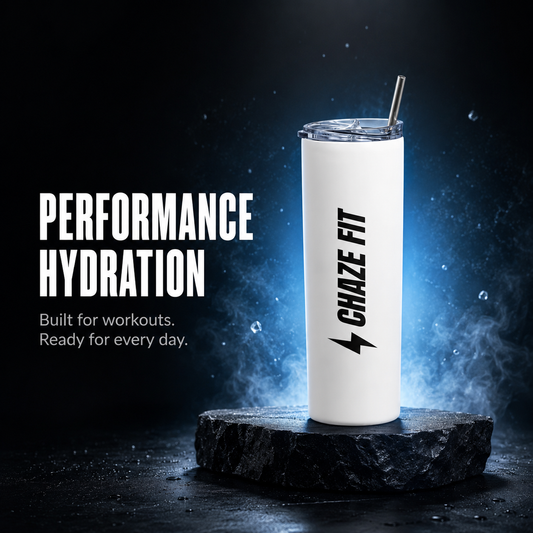
Does the Chaze Fit Steel Edge tumbler taste of metal?
No. 304 stainless steel is taste-neutral under normal use.
What is the best gym water bottle for avoiding taste problems in India?
Food-grade anodised aluminium (Hydro Max ₹649) for daily commuters. 304 stainless steel (Steel Edge ₹999) for gym-to-office users.
How often should I clean my gym water bottle?
Rinse with warm water after every use. Hand wash with mild soap once per day if using for protein shakes.
Can I use the same bottle for protein shakes and water?
Yes, with food-grade aluminium or steel. Rinse within 30 minutes of protein use.
What actually causes the smell in an old gym bottle - is it the residue itself?
Not directly. The smell comes from volatile organic compounds released by bacteria feeding on trapped organic residue.
Related Articles
- How 5 Bottle Failures Over 18 Months Became The Hydro Max And Steel Edge
- 180g Aluminium vs 300g Steel vs 100g Plastic - Same Commute, Same Session
- Anodisation Hardness - Why The Mohs 9 Oxide Layer Does Not Leach
- Hydro Max Scored 9.2/10 Across 7 Criteria - 60 Days Of Testing
- Indian Gym Temperature & Humidity Reference Data
About The Author
Ankit Mange is the founder of Chaze Fit. The protein shake bottle incident described in this article happened personally and informed the no-odour specification for the Hydro Max.
Follow Chaze Fit on Instagram for training tips, product drops, and behind-the-scenes testing.
Follow @chazefit →
Tags:
Previous
The Complete Guide To Gym Water Bottles In India
Next
Aluminium vs Steel vs Plastic Water Bottle: Which Is Best For Indian Gyms?