
Last Updated: August 2026 | Author: Ankit Mange, Founder, Chaze Fit | Reading Time: 6 minutes
IS 17526:2021 is the Bureau of Indian Standards specification covering vacuum-insulated flasks, tumblers, and similar drinkware sold in India. It sets baseline requirements for material safety (food-grade contact surfaces), construction quality, and basic performance testing. Most tumbler and bottle listings in India don't clearly state whether the product is actually certified against this standard - and "stainless steel" or "BPA-free" claims on a listing are not the same thing as BIS certification.
Featured Product
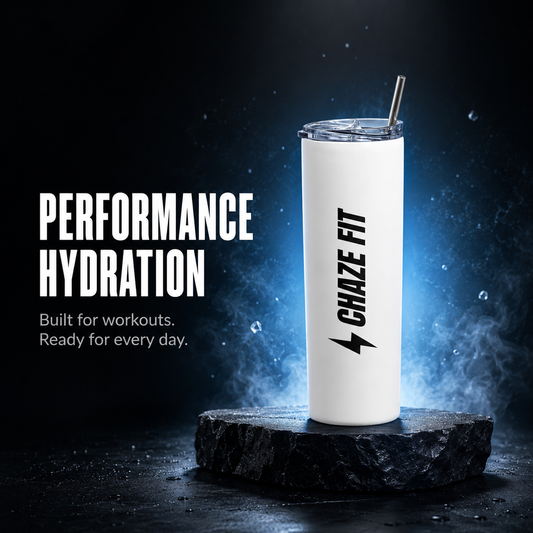
Chaze Fit Steel Edge Insulated Tumbler
304 steel · 20oz · 12+ hr cold at 30°C · ₹999
Shop Steel Edge Tumbler →Why This Certification Gets Mentioned But Rarely Explained
A Bullet Point, Not A Buying Criterion
"Check for BIS certification" shows up as generic advice across almost every drinkware buying guide, including our own tumbler brand comparisons. What's missing from most of that advice is what the certification actually checks, how to verify it yourself, and why it matters differently for a water bottle than it does for something like a pressure cooker or an electrical appliance, where BIS marks are more commonly recognised by Indian buyers.
Why Drinkware Certification Matters Specifically
Unlike a wallet or a bag, a water bottle has direct, repeated contact with something you consume. The material safety component of IS 17526:2021 exists specifically to set a baseline for contact-surface safety, corrosion resistance for metal drinkware, and correct labelling of capacity and material - the kind of thing that isn't always obvious from a product photo or generic marketing copy.
What The Standard Actually Covers
Material Safety
Confirms that surfaces in contact with beverages meet food-grade safety requirements - relevant for both the steel or aluminium body and any plastic components like the lid or seal.
Construction Quality
Covers baseline construction standards for insulated flasks specifically, including seam integrity and general build quality expectations - though it does not certify a specific brand's exact cold-retention hour claim, which is typically a separate marketing figure tested by the brand itself.
Leak Resistance
Basic leak-proof performance under standard testing conditions - a lower bar than the kind of extended horizontal-carry or gym-bag-specific testing a brand might do on top of certification.
How To Actually Verify Certification
- Look for the BIS Standard Mark on the product itself or its packaging - not just a claim in the product description.
- Check the BIS CARE portal at bis.gov.in, where licensed products and manufacturers can be searched directly by license number or product category.
- Be cautious of generic safety language like "food-grade" or "BPA-free" used as a substitute for stating certification status - these are related but not equivalent claims.
What Certification Doesn't Tell You
BIS certification confirms a baseline of material and construction safety - it does not tell you whether a specific bottle's "12-hour cold retention" claim was tested at a realistic Indian ambient temperature (30°C+) or a cooler international lab benchmark (20-22°C), which is a completely separate and often more practically important question for Indian buyers. For that comparison, see our breakdown of why gym bottles fail to stay cold in Indian heat.
Founder Note
We tell people to check for BIS certification in nearly every bottle comparison we've written, and it occurred to me that we'd never actually explained what that certification checks or doesn't check. Certification is a floor, not a ceiling - it tells you a product meets a baseline, not that it's the best option for a specific use case like a 12-hour gym-to-office day in 34°C heat. Both things matter, but they're answering different questions.
- Ankit Mange, Founder, Chaze Fit
Frequently Asked Questions
What is IS 17526:2021?
The Bureau of Indian Standards specification for vacuum-insulated flasks and similar drinkware sold in India, covering material safety, construction quality, and leak resistance.
Is BIS certification mandatory for water bottles in India?
Requirements vary by category and have tightened for several drinkware categories, but market labelling consistency is uneven.
How do I check if a bottle is actually BIS certified?
Look for the BIS Standard Mark on the product or packaging, or verify directly on the BIS CARE portal at bis.gov.in.
Does BIS certification guarantee a bottle keeps drinks cold as claimed?
No. Certification confirms baseline material safety and construction quality - cold/hot retention hour claims are separate figures that should be checked against the stated test temperature.
Related Articles
- Best Tumbler Brands In India - An Honest Comparison
- 304 vs 201 Stainless Steel - Why The Grade Matters
- Why Gym Bottles Fail To Stay Cold In Indian Heat
- Is An Aluminium Bottle Safe For Daily Drinking Water?
About The Author
Ankit Mange is the founder of Chaze Fit.
Follow Chaze Fit on Instagram for training tips, product drops, and behind-the-scenes testing.
Follow @chazefit →
Tags:
Previous
Borosil vs Milton: Which Tumbler Brand Is Better For Everyday Use?
Next
Cello vs Milton Water Bottle: Which Is Better For Everyday Use?