
Last Updated: September 2026 | Author: Ankit Mange, Founder, Chaze Fit | Reading Time: 6 minutes
A water bottle grows mold or develops a musty smell because a quick daily rinse doesn't remove the thin biofilm - a layer of bacteria and residue - that builds up on the inside surface over repeated use, especially around the cap, straw, and seals. This isn't specific to any one bottle material; it's a cleaning-routine problem that affects any bottle without regular deep cleaning and proper drying between uses. The fix is a weekly deep clean with a brush and soap, reaching every crevice, plus fully air-drying the bottle uncapped before storing.
Featured Product
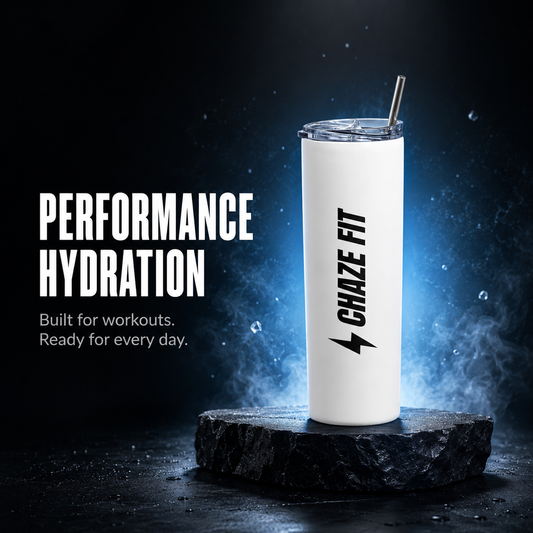
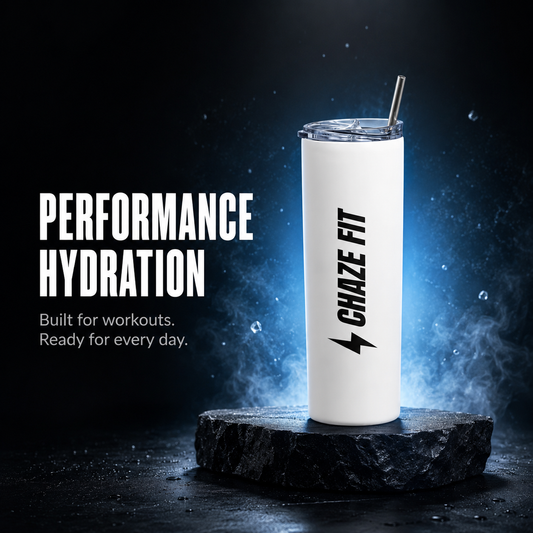
Chaze Fit Steel Edge Tumbler
304 stainless steel · Hand-wash only · ₹999
Shop Steel Edge Tumbler →Quick Summary
- Mold and musty smell come from a biofilm layer that a quick rinse doesn't remove
- The cap, straw, and seals are usually where biofilm builds up first, not the main bottle body
- Bottle design (narrow necks, multiple seals, straws) matters more than material for how hard-to-clean it is
- Sealing a damp bottle traps humidity, close to ideal conditions for mold growth
- Protein shakes and flavoured drinks feed bacterial growth faster than plain water
- A weekly deep clean with a brush, plus fully air-drying uncapped, addresses the actual cause
Why A Daily Rinse Isn't Enough
Rinsing removes visible liquid, but biofilm is a thin, often invisible layer that forms on any surface repeatedly exposed to moisture and organic residue. It builds up gradually, layer by layer, especially in spots water doesn't reach well during a quick swirl-and-pour rinse - the underside of the cap, straw interior, and any rubber seals or gaskets. Given time and the right conditions (warmth, moisture, residue), that biofilm becomes visible mold or produces the musty smell that's often the first sign something's wrong.
Why The Cap And Straw Are Usually The Real Problem
The main bottle body is actually the easiest part to clean - it's a large, open, accessible surface. The cap, any internal straw, and rubber seals are where problems usually start, because they have narrow channels, threading, and crevices that trap moisture and residue in spots a simple rinse or even a quick brush pass can miss. If your bottle has developed a musty smell, checking these components specifically - not just the main chamber - is usually where the actual source is.
Founder Note
This is a genuinely common issue that people often assume means something's wrong with the bottle itself, when it's almost always a cleaning routine gap rather than a product defect. I've had this happen with bottles I was certain I was rinsing properly, until I actually took the cap apart and looked at the straw channel specifically - that's usually where it's coming from, not the main body of the bottle.
- Ankit Mange, Founder, Chaze Fit
Why Design, Not Material, Is The Bigger Factor
Steel, aluminium, and plastic bottles can all develop this problem equally - the material itself isn't the deciding factor. What matters more is how many hard-to-reach crevices the design has. A simple wide-mouth bottle with a single screw cap is easier to fully clean than one with a narrow neck, an internal straw, and multiple rubber seals, regardless of what the bottle body is made from. This is worth checking before buying if hygiene and ease of cleaning matter to you as much as insulation performance.
The Actual Cleaning Routine
| Step | Why It Matters |
|---|---|
| Daily rinse with water after use | Removes visible residue, but not the underlying biofilm on its own |
| Weekly deep clean with a bottle brush and mild soap | Physically disrupts biofilm buildup on the main body |
| Disassemble and clean the cap, straw, and seals separately | These components trap moisture and residue that a body-only clean misses |
| Air-dry fully uncapped before storing | Sealing a damp bottle traps humidity, encouraging mold growth |
| Clean more frequently if using protein shakes or flavoured drinks | Protein and sugar residue feed bacterial growth faster than plain water |
Common Mistakes
- Only rinsing, never deep cleaning. A quick rinse doesn't remove biofilm that's already built up.
- Capping a bottle while it's still damp inside. Traps humidity in a closed space, encouraging mold growth.
- Cleaning only the main body, not the cap or straw. These smaller components are usually the actual source of musty smell.
- Assuming a more expensive or premium bottle is immune to this. Any bottle without a proper cleaning routine will eventually develop the same issue, regardless of price or brand.
Final Verdict
Mold and musty smell in a water bottle almost always trace back to a cleaning routine gap, not a defect in the bottle itself - biofilm builds up gradually in spots a quick daily rinse doesn't reach, especially the cap, straw, and seals. A weekly deep clean with a brush, disassembling components that trap moisture, and always air-drying fully uncapped before storing addresses the actual cause rather than just the smell.
Frequently Asked Questions
Why does my water bottle grow mold or smell musty even though I rinse it?
A quick rinse doesn't remove the biofilm layer that builds up over repeated use, especially around the cap, straw, and seals.
Does the bottle material affect how likely it is to grow mold?
Material matters less than design - bottles with narrow necks, multiple seals, or straws have more hard-to-reach crevices regardless of whether they're steel, aluminium, or plastic.
How often should I deep clean my gym water bottle?
At least once or twice a week for daily gym use, more often with protein powder or flavoured drinks.
Does leaving a water bottle capped while wet make mold worse?
Yes - traps humidity in a closed space, close to ideal conditions for mold growth.
Is it worse to put protein shakes or flavoured drinks in a bottle instead of plain water?
Yes - protein and sugar residue feed bacterial growth faster than plain water.
Can I put my gym bottle in the dishwasher to clean it properly?
Depends on the bottle - insulated double-wall bottles are typically hand-wash only, since dishwasher heat can damage the vacuum seal.
Related Articles
- The Complete Guide To Gym Water Bottles In India
- Why Does Water Taste Different From Different Gym Bottles?
- What Is Double-Wall Vacuum Insulation?
Follow Chaze Fit on Instagram for training tips, product drops, and behind-the-scenes testing.
Follow @chazefit →About The Author
Ankit Mange is the founder of Chaze Fit.
Tags:
Previous
Athflex vs Fuaark: Which Indian Gym Wear Brand Is Better?
Next
Gym Water Bottles Directory: Every Guide, Comparison & Product