
Why Do You Break Out On Your Back And Chest After Workouts? (And What Actually Helps)

Last Updated: September 2026 | Author: Ankit Mange, Founder, Chaze Fit | Reading Time: 7 minutes
Back and chest breakouts after working out - often called acne mechanica or exercise-related folliculitis - happen when sweat, oil, and bacteria stay trapped against skin under fabric for extended periods, combined with friction from repeated movement. It's a mechanical and hygiene pattern rather than hormonal acne, and it responds to a combination of breathable fabric, prompt post-workout showering, and not rewearing unwashed gym clothes. Fabric choice is a genuine contributing factor, not a complete fix on its own - persistent or worsening cases are worth seeing a dermatologist about.
Featured Product
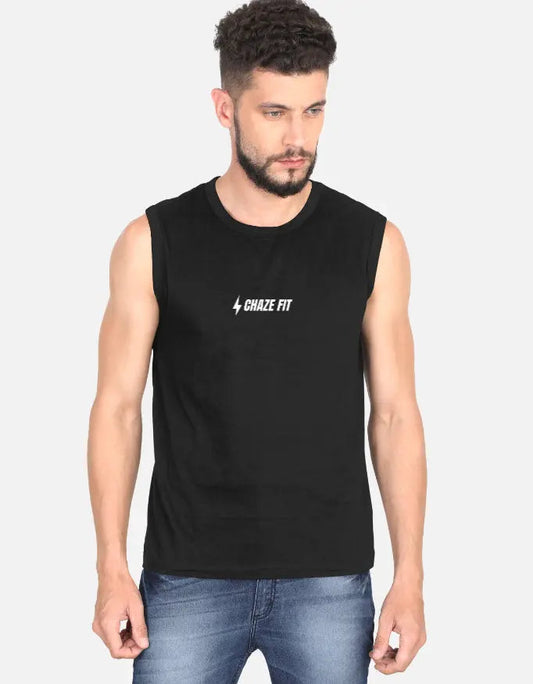
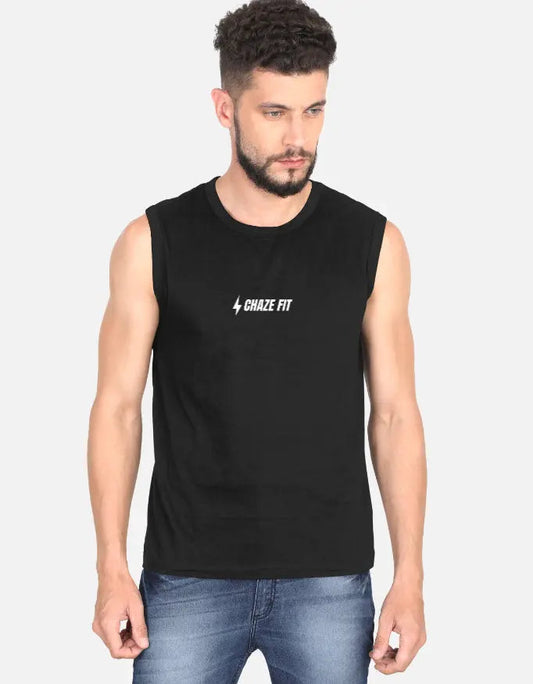
Chaze Fit Dri-Fit Sports T-Shirt
170 GSM open poly mesh · Moisture-wicking · ₹799
Shop Open Mesh Dri-Fit Tee →Quick Summary
- Back/chest breakouts after training are usually acne mechanica or folliculitis, not hormonal acne
- Three factors combine to cause it: trapped moisture, friction, and bacteria/oil buildup
- Fabric that stays damp against skin longer extends the window for bacteria to develop
- Open poly mesh with genuine wicking properties keeps skin drier than flat-weave cotton or flat synthetic
- Showering soon after training and never rewearing unwashed gym clothes both matter as much as fabric choice
- Persistent, painful, or scarring breakouts warrant a dermatologist visit, not just a wardrobe change
Why This Happens: The Three-Factor Mechanism
Exercise-related back and chest breakouts aren't random - they follow a fairly consistent mechanical pattern with three components working together:
- Occlusion: Fabric sitting against skin traps sweat and body heat, creating a warm, damp microenvironment that's more favourable for bacterial growth than dry, ventilated skin.
- Friction: Repeated rubbing from a shirt or bag strap against the same patches of skin during movement can irritate hair follicles, making them more prone to inflammation.
- Bacteria and oil: Sweat mixing with natural skin oil and any bacteria present on unwashed or rewashed-but-still-damp fabric compounds the first two factors.
This combination is why the pattern shows up specifically where fabric sits tightest and longest against skin - the back (especially under a bag strap or tight-fitting top) and chest (under a fitted shirt or sports bra) are the most commonly affected zones for exactly this reason.
Founder Note: Why This Shaped A Fabric Decision
This came up often enough in early customer feedback that it became part of how we think about fabric choice, not just an afterthought. A few people specifically mentioned switching from a tighter, non-breathable synthetic tee to something more open-weave and noticing fewer breakouts over a few weeks. We're not going to overclaim here - a t-shirt doesn't cure skin issues, and there are other factors at play for most people. But keeping skin drier for more of a session is a genuine, mechanical difference open mesh fabric makes, and it's one piece of a bigger picture that includes how quickly you shower afterward and whether you're rewearing unwashed kit.
- Ankit Mange, Founder, Chaze Fit
Why Fabric Construction Matters Here Specifically
Not all "breathable" fabric behaves the same way against skin during a sweaty session. The relevant distinction is construction, not just fibre type - the same logic covered in our poly mesh vs flat polyester breakdown. A tightly woven or flat-knit fabric, cotton or synthetic, has no built-in air channels - sweat sits against skin with nowhere to evaporate quickly. An open poly mesh knit creates deliberate air channels that let sweat move away from skin and evaporate faster, shortening the window of prolonged dampness that contributes to breakouts.
What Actually Helps: A Combined Approach
| Factor | What To Do | Why |
|---|---|---|
| Fabric choice | Open poly mesh over flat-weave cotton or synthetic | Reduces how long sweat sits against skin |
| Fit | Regular fit over tight compression, where practical | Reduces repeated friction against the same skin patches |
| Post-workout timing | Shower as soon as reasonably possible after training | Limits time sweat and bacteria sit on skin |
| Laundry habits | Never rewear unwashed gym clothes | Avoids reintroducing built-up bacteria and oil from the last session |
| Persistent cases | See a dermatologist | Some causes (e.g. fungal folliculitis) need targeted treatment, not just fabric or hygiene changes |
What This Isn't
To be clear about the limits here: this isn't the same mechanism as hormonal facial acne, and switching fabric won't resolve breakouts driven primarily by hormonal factors, certain skin conditions, or fungal folliculitis specifically, which can look similar but needs different treatment. If breakouts are painful, spreading, not improving after a few weeks of the changes above, or leaving marks, that's the point to see a dermatologist rather than continuing to try wardrobe fixes alone.
Common Mistakes
- Assuming it's the same as facial acne and using facial acne treatment on it. The mechanism is often different; treatment that works for hormonal facial acne doesn't always address a friction-and-occlusion pattern.
- Staying in sweaty gym clothes for hours after training. This is one of the most controllable factors and often the most overlooked.
- Rewearing "barely sweaty" gym clothes to save on laundry. Even light sweat residue reintroduces bacteria to skin.
- Sticking with tight, non-breathable fabric because it "looks more athletic." Fit and fabric openness matter more than how compression-fit looks for this specific issue.
Final Verdict
Back and chest breakouts after exercise are a mechanical, multi-factor pattern - fabric choice is a genuine, controllable piece of it, but not the whole picture. Open poly mesh fabric that wicks sweat away from skin, a regular rather than tight fit, showering promptly after training, and never rewearing unwashed kit together address the three underlying factors (occlusion, friction, bacteria) most directly. If the pattern persists despite these changes, that's a sign to see a dermatologist rather than keep adjusting gym wear alone.
Frequently Asked Questions
Why do I get breakouts on my back and chest after working out?
Often called acne mechanica or exercise-related folliculitis - sweat, oil, and bacteria staying trapped against skin under fabric for extended periods, combined with friction from movement.
Does the fabric of my workout shirt actually affect breakouts?
Yes, meaningfully - fabric that traps moisture extends the time bacteria have to develop, while wicking fabric that dries faster reduces that window. One contributing factor among several.
Is workout-related folliculitis the same as regular acne?
Not exactly - regular facial acne is often hormonal, while this pattern is frequently friction, heat, and occlusion driven.
Should I shower immediately after a workout?
Yes - showering as soon as reasonably possible rather than staying in sweaty clothes is one of the most consistently recommended steps.
Does cotton or synthetic fabric make workout breakouts worse?
Depends on construction, not just fibre type - a tightly woven synthetic can trap moisture as badly as heavy cotton. Open poly mesh generally keeps skin drier than either flat option.
Can wearing the same gym clothes twice cause breakouts?
Yes, this is a common contributing factor - it reintroduces built-up sweat, oil, and bacteria from the previous session.
When should I see a dermatologist about workout breakouts?
If breakouts are painful, widespread, not improving after a few weeks of changes, or leaving marks - some causes need targeted treatment hygiene changes alone won't resolve.
Does a tighter or looser fit make a difference?
Looser, non-compression fits generally reduce the friction component, though fit is only one factor alongside fabric breathability and hygiene.
Related Articles
- Why Do You Sweat So Much In Indian Gyms? The Complete Sweat Management Guide
- What Is Poly Mesh Fabric? (And Why It Beats Regular Polyester)
- Why Does Your Gym T-Shirt Turn See-Through And Cling When You Sweat?
- Loose Fit vs Compression Dri-Fit T-Shirt
Follow Chaze Fit on Instagram for training tips, product drops, and behind-the-scenes testing.
Follow @chazefit →About The Author
Ankit Mange is the founder of Chaze Fit. This article reflects general fabric-and-hygiene guidance informed by customer feedback and is not a substitute for professional dermatological advice.
Tags:
Previous
Gymshark In India: Shipping, Customs Duty, And Sizing — What To Actually Expect
Next
Which Chaze Fit Product Should You Buy First? A Use-Case Guide
Related articles

-
Aug 20 2026