

Last Updated: July 2026 | Author: Ankit Mange, Founder, Chaze Fit | Reading Time: 5 minutes
Running needs high support due to vertical bounce being the highest of any common training activity. Yoga needs only low-to-medium support since it's low-impact with minimal bounce, and higher compression can restrict the range of motion yoga actually requires. Weight training generally needs medium support - movement is controlled rather than high-impact, though very explosive lifting may benefit from more. Matching support level to activity, rather than defaulting to the highest support available, is the correct approach - over-compression for a low-impact activity is uncomfortable without adding benefit.

Why Bounce, Not Effort Level, Determines Support Need
Support requirements track vertical bounce, not how hard an activity feels. Running produces continuous vertical movement with each stride. Yoga, even in a physically demanding flow sequence, involves controlled, mostly horizontal movement with minimal bounce. Weight training sits in between - mostly controlled, but with brief explosive moments in movements like jump squats or Olympic lifts.
Running: High Support
The highest-bounce common activity, requiring maximum encapsulation and a structured band. Running specifically for extended durations at higher intensity makes support the single most important factor in a sports bra purchase for runners.
Yoga: Low-To-Medium Support
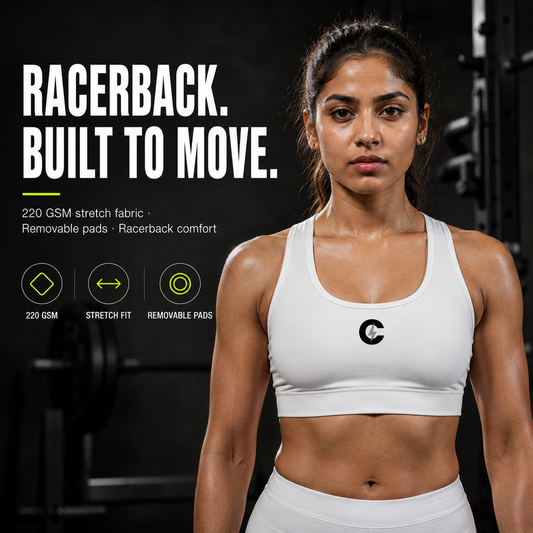
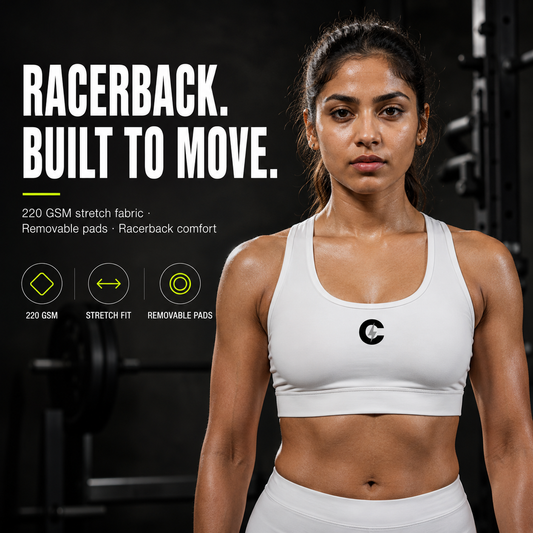
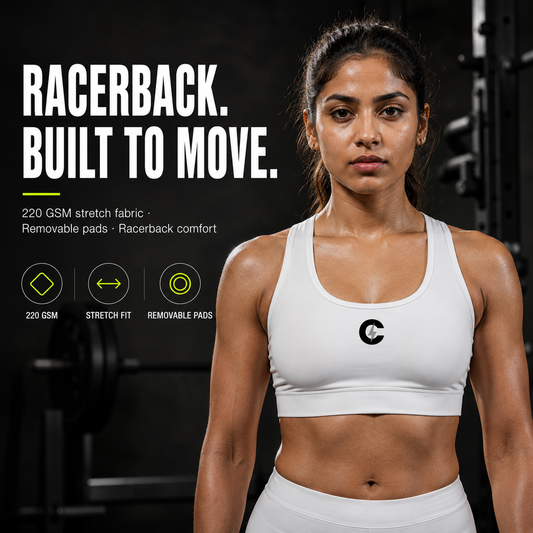
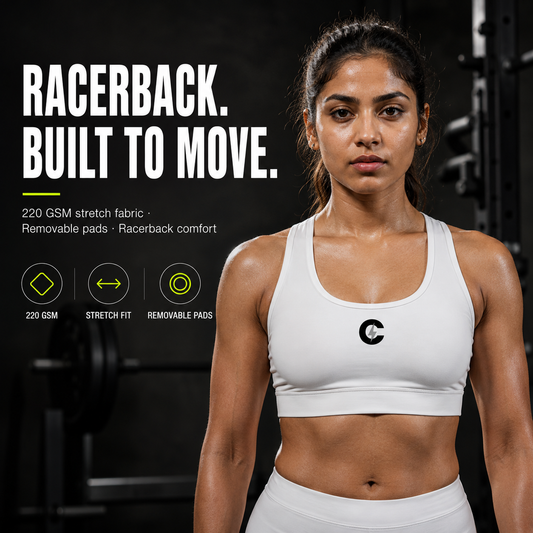
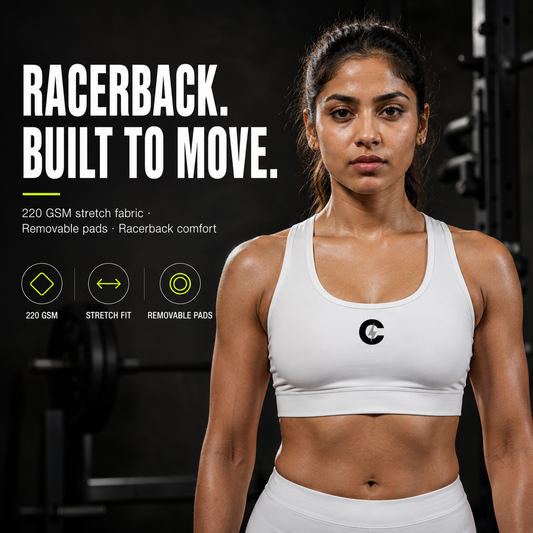
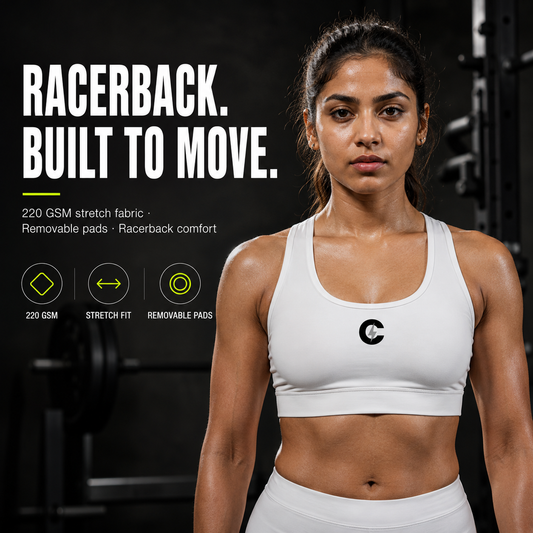
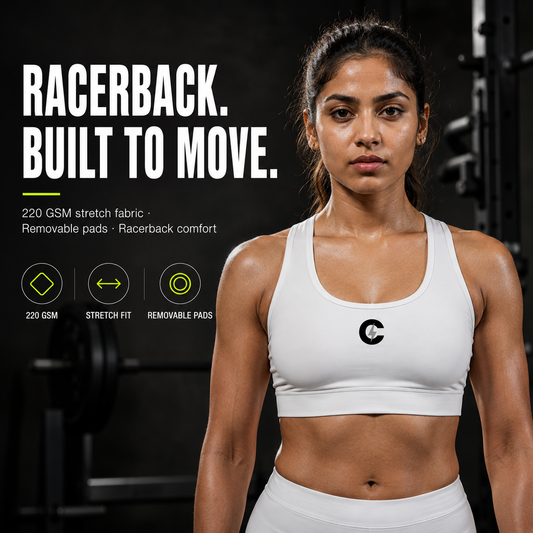
Yoga's range-of-motion demands (deep stretches, inversions, twists) actually work against very high compression, which can restrict movement. A racerback design with low-to-medium support, like the honestly-positioned Chaze Fit AOP Sports Bra, works well here.
Weight Training: Medium Support
Most weight training is controlled movement without significant bounce, so medium support is generally adequate. The exception is explosive training - box jumps, kettlebell swings, Olympic lift variations - where higher support becomes more relevant.
What If You Only Want One Bra?
A high-support bra works acceptably across every activity type, though it can feel like overkill and slightly restrictive during yoga. A low-to-medium support bra suits yoga and walking well but is genuinely inadequate for running or HIIT - unlike the reverse situation, wearing too little support for high-impact activity is the mismatch worth actively avoiding.
Quick Reference
| Activity | Support Level | Why |
|---|---|---|
| Running | High | Continuous vertical bounce |
| HIIT / plyometrics | High | Explosive, high-impact movement |
| Weight training | Medium | Controlled movement, occasional explosive lifts |
| Walking | Low-Medium | Minimal bounce |
| Yoga / Pilates | Low-Medium | Range of motion matters more than compression |
What Happens If You Get It Wrong
Under-supporting for running causes discomfort and potential long-term tissue strain from repeated bounce. Over-supporting for yoga restricts the exact range of motion the activity requires, making poses harder than necessary. Neither mismatch is dangerous, but both reduce comfort and performance for no benefit.
Continue reading
For the next step, explore this related guide.
Related Articles
- What Support Level Sports Bra Do You Actually Need?
- Does A Racerback Sports Bra Mean More Support?
- Sports Bra Sizing Guide
- Encapsulation vs Compression Sports Bra
Frequently Asked Questions
Q1: What support level do I need for running?
High support - running has the most vertical bounce of common activities.
Q2: Do I need high support for yoga?
No - low-to-medium support is generally adequate and more comfortable for yoga's range-of-motion demands.
Q3: What support for weight training?
Medium generally, higher only for explosive lifting variations.
Q4: What support level for HIIT?
High, similar to running - HIIT's explosive movements produce significant bounce.
Q5: Can I use one bra for every activity?
A high-support bra works across all activities, though it may feel like overkill for yoga. Low-to-medium support is genuinely inadequate for running or HIIT.
Q6: What happens if I wear low support for running?
Discomfort and potential long-term tissue strain from repeated unsupported bounce - the mismatch most worth avoiding.
Follow Chaze Fit on Instagram for training tips, product drops, and behind-the-scenes testing.
Follow @chazefit →About The Author
Ankit Mange is the founder of Chaze Fit.
Tags:
Previous
Sports Bra Sizing Guide: How To Find Your Correct Band And Cup Size
Next
Encapsulation vs Compression Bras: Fit & Support
Related articles
-
Aug 07 2026
Buy AOP Racerback Sports Bra Online: Price & Sizes
-
Jul 31 2026
Encapsulation vs Compression Bras: Fit & Support
-
Jul 19 2026