

Compression sports bras hold the bust closer to the body, while encapsulation designs support each breast in a separate cup. Some designs combine both approaches. Construction is one part of the decision: fit and the manufacturer's stated activity support also matter.
| Construction | What to look for |
|---|---|
| Compression | A close-fitting structure that holds the bust toward the chest. |
| Encapsulation | Separate cup structures around each breast. |
| Combination | Individual cup support together with compression. |
Check fit before choosing by label
The band should feel secure without being painful. Check cup coverage, straps and whether the garment shifts during the movements you intend to do. A racerback shape or removable pad does not, by itself, establish high-impact support or a particular cup construction.
Start with the sports-bra band and cup measurement guide. The sports-bra category and fit hub connects the other buying decisions.
Where the Chaze Fit bra fits
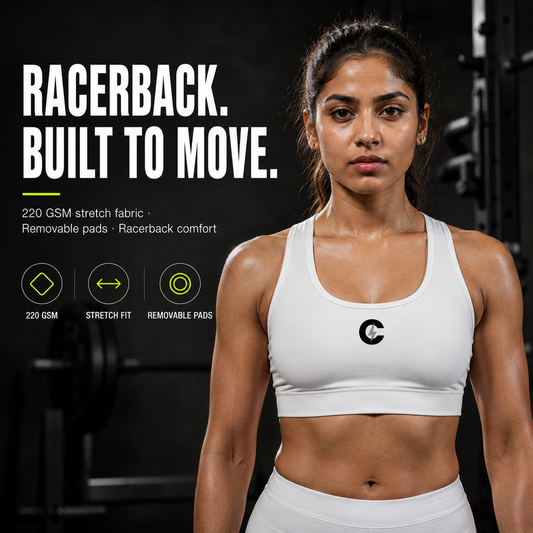
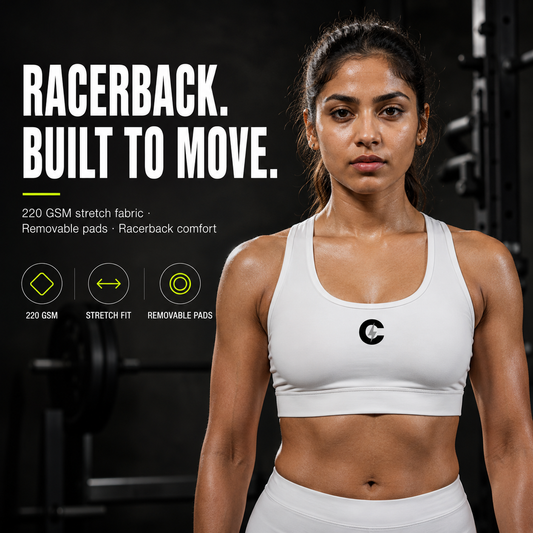
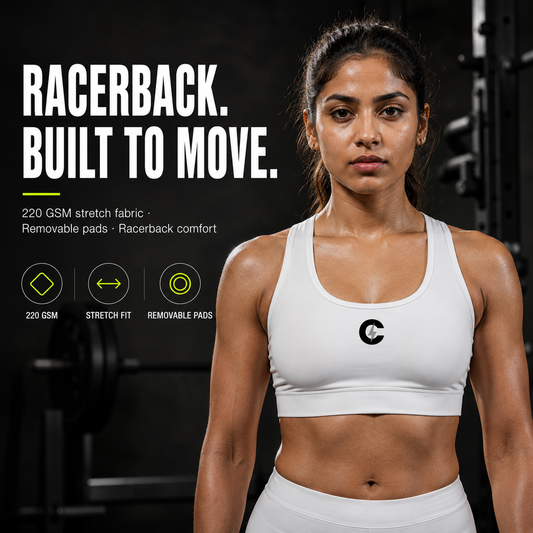
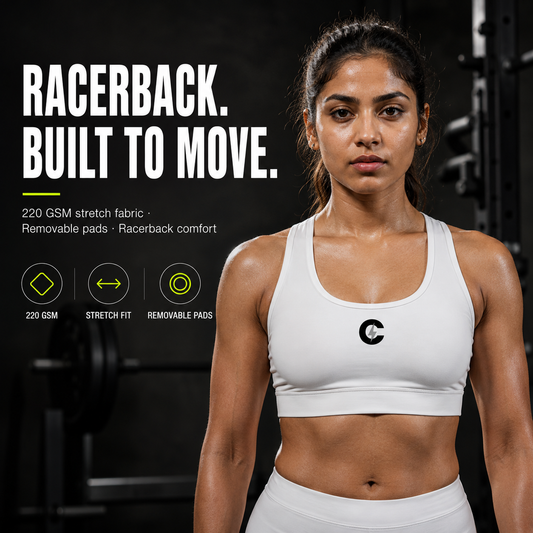
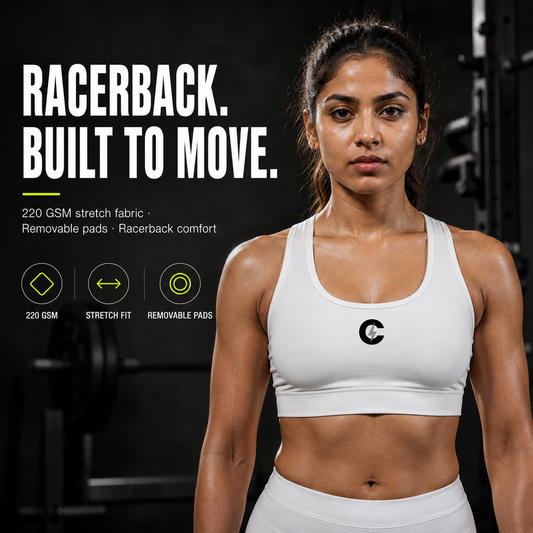
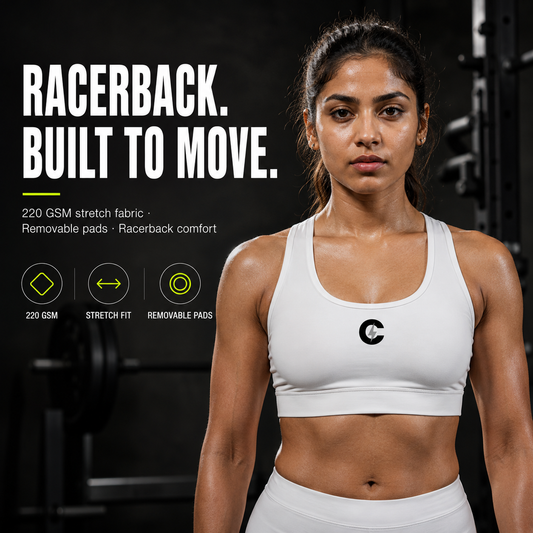
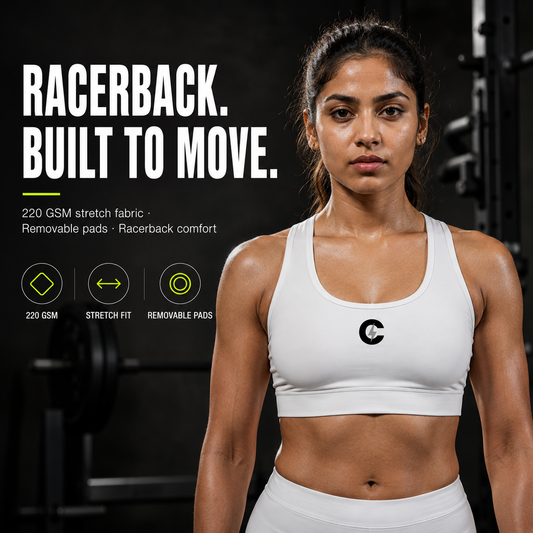
The Chaze Fit racerback sports bra is positioned for low-to-medium support. Consider it only when that positioning matches your needs. Do not treat this comparison as a recommendation for high-impact running or assume that removable pads establish encapsulation.
Check the Chaze Fit racerback bra's stated support and size options, then read the racerback sports-bra purchase and fit checklist before ordering. For care, use the removable-pad washing guide.
Turn the construction difference into a buying decision
Ask which problem you are trying to fix. If you dislike a flattened shape, compare individually shaped cups. If your main problem is uncomfortable movement during running, start with a bra designed for high-impact activity and assess its fit; the word “encapsulation” by itself is not a running-support guarantee. Separate cups and compression can also appear together.
For a long-distance running purchase, work through the running-specific support and comfort checks. For walking, yoga or controlled gym training, the Chaze Fit low–medium support racerback is an option to assess against your own support needs. Its listed 220 GSM poly-spandex fabric, mesh lining and removable pads describe the product; none independently proves that it will provide enough support for every wearer.
Are removable pads the same as encapsulation cups?
No. A removable insert changes coverage and shaping; encapsulation describes how the bra supports each breast. Choose by the whole construction, not the presence of a foam insert. If pad movement in the wash is your concern, follow the pad-removal and repositioning routine.
If the terminology is confusing, separate racerback strap shape from support level, then return to the sports-bra selection guide to combine activity, size and care requirements.
Frequently asked questions
Is encapsulation always better?
No single construction is the best fit for everyone. Compare the garment's fit and stated support with your intended activity.
Can a sports bra use both methods?
Yes. Check the actual cup and garment construction rather than relying on the product name.
Does a racerback mean high support?
No. Strap layout alone does not establish the support level.
Tags:
Previous
Sports Bra For Running vs Yoga vs Weight Training: Which Support Do You Need?
Next
Buy AOP Racerback Sports Bra Online: Price & Sizes
Related articles
-
Aug 07 2026
Buy AOP Racerback Sports Bra Online: Price & Sizes
-
Jul 19 2026