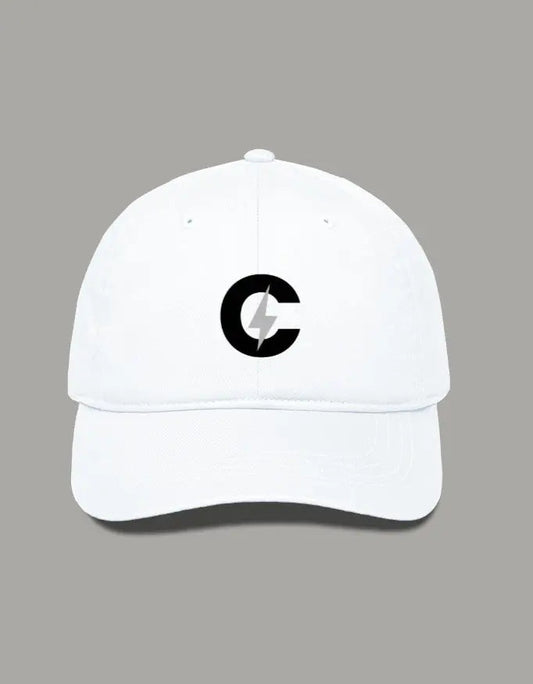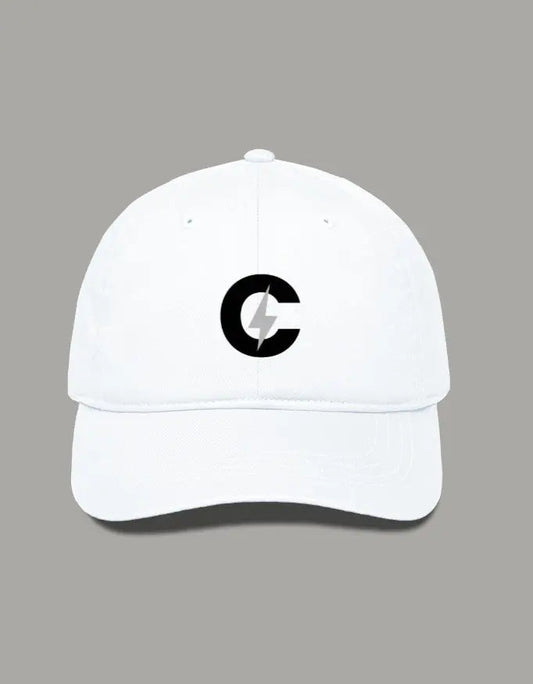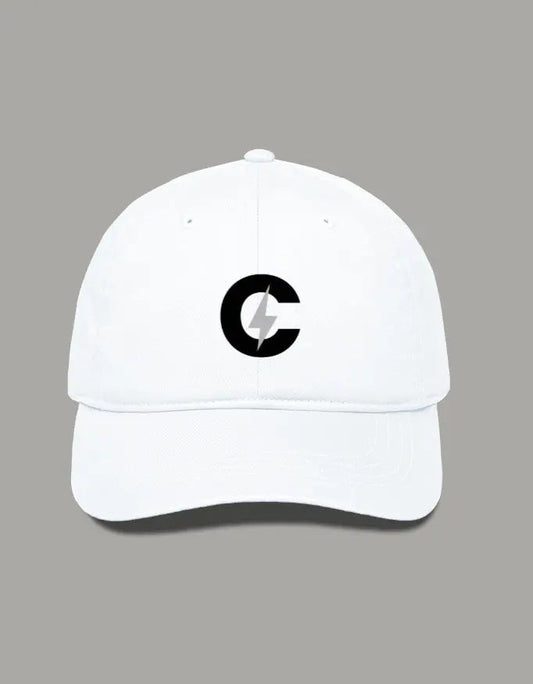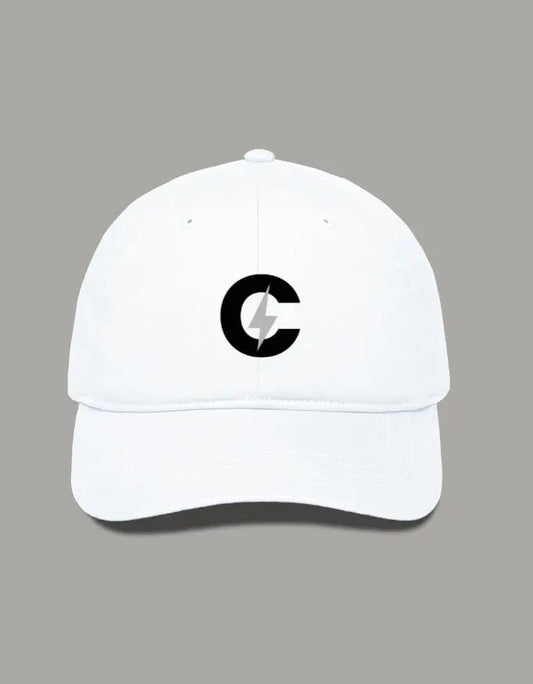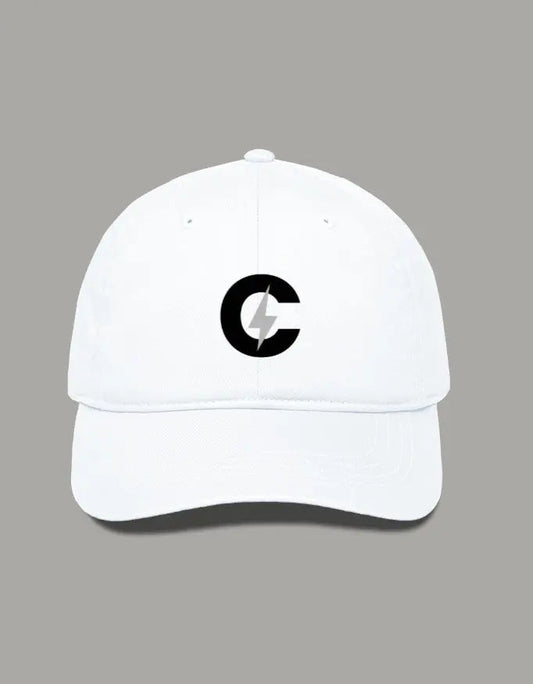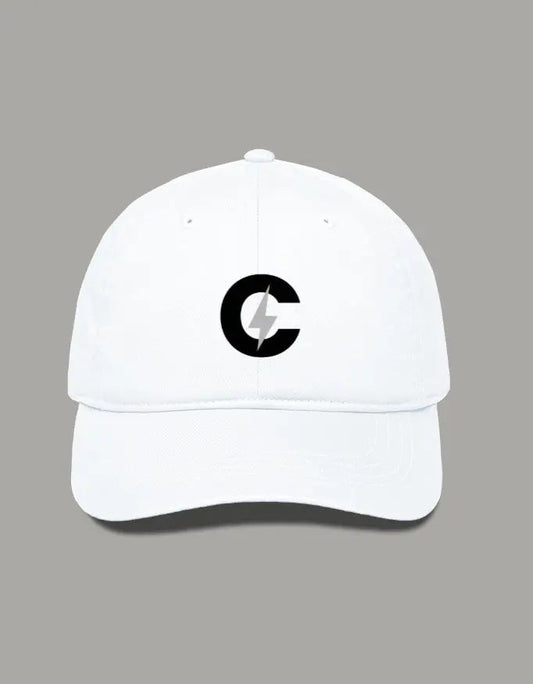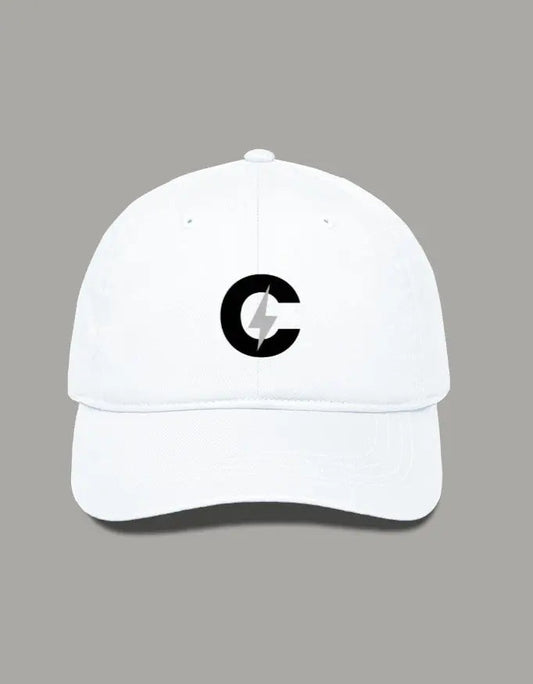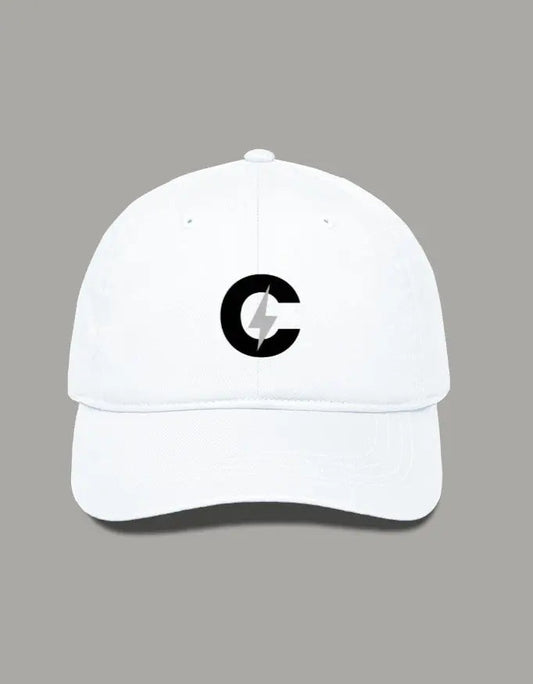
Chaze Fit Sports Cap

Why Do Sports Caps Lose Their Shape After A Few Weeks?

Last Updated: July 2026 | Author: Ankit Mange, Founder, Chaze Fit | Reading Time: 7 minutes

Sports caps lose their shape within 6-8 weeks of regular outdoor use because of two independent failures: a thin or low-grade brim insert that degrades under UV and sweat exposure and curls upward, and a low-density plain-weave cotton crown that relaxes and collapses after repeated wet-dry cycles. Both failures are fixable with the correct materials - a PE-stiffened, pre-curved brim insert and a denser cotton drill twill weave for the crown - but almost no budget cap (₹299-₹499) specifies either. The Chaze Fit Performance Sports Cap addresses both independently and retains 90%+ of its crown structure after 30 machine washes at 30°C.

Featured Product

Chaze Fit Performance Sports Cap

Structured cotton drill · ₹599

Shop Now →

Why This Happens: Two Separate Failure Mechanisms

Cap owners often describe both problems as "the cap got old," but brim curling and crown collapse are mechanically unrelated failures with different causes and different fixes.

Brim Curling: A Material Degradation Problem

Most caps in the ₹299-₹499 range use a thin cardboard or low-grade plastic insert inside the brim to hold its flat or curved shape. UV exposure and repeated sweat contact degrade this insert over time. Once the insert has physically deformed, no amount of reshaping by hand restores it - the damage is permanent. In Chaze Fit testing, this typically became visible within 6-8 weeks of regular outdoor use in Indian sun conditions.

Crown Collapse: A Fabric Density Problem

The crown relies on the fabric itself, not an insert, to hold its structured shape. Plain-weave cotton has looser fibre interlocking than twill weaves, so it relaxes more with each wet-dry cycle from sweat. After enough cycles, the six or four panels lose their tension and the dome shape softens into a shapeless silhouette.

8 Findings From Testing 5 Cap Prototypes

Finding 1: Brim Insert Thickness Matters More Than Fabric Choice For Curling

Two prototypes with identical cotton drill fabric but different brim inserts showed dramatically different curling outcomes - the thin-insert version curled at 6 weeks, the PE-stiffened version showed zero curling through 8+ weeks of identical outdoor exposure.

Finding 2: Fabric Density Is The Primary Driver Of Crown Retention

Moving from standard-density to 35-40% higher-density cotton drill improved crown structure retention from roughly 75-80% to 85%+ after 30 wash cycles, with brim insert held constant.

Finding 3: UV Exposure Accelerates Brim Insert Degradation 2-3x In Indian Conditions

India's UV index runs 6-9 for much of the year versus 3-5 in temperate climates. Low-grade PE or cardboard inserts degrade proportionally faster under this exposure level.

Finding 4: Machine Drying Is A Major Contributor To Crown Collapse

Tumble drying applies heat and mechanical tumbling that accelerates fibre relaxation in the crown. Air-drying over a round object preserved crown shape significantly better across every prototype tested.

Finding 5: Ironing The Brim Permanently Flattens The Pre-Curve

Heat from an iron softens PE stiffener material. Even a brief pass with a hot iron can permanently flatten a pre-curved brim - this damage cannot be reversed by reshaping.

Finding 6: High-Spin Washing Cycles Distort Crown Shape Faster Than Gentle Cycles

The mechanical agitation of a high-spin cycle stresses the panel seams and can cause temporary or, over many cycles, permanent distortion of the dome shape.

Finding 7: Six-Panel Construction Delays But Does Not Prevent Collapse In Low-Density Fabric

More panels distribute tension better than four-panel construction, but panel count alone does not compensate for fabric that is too low-density to hold structure over time.

Finding 8: Sweatband Saturation Does Not Affect Crown Structure If The Sweatband Is Removable

A separately washable sweatband prevents the sweat-saturation cycle that would otherwise degrade the surrounding crown fabric faster - a design detail that's easy to overlook when comparing caps.

How To Check If A Cap Will Hold Its Shape Before You Buy

Look for three specifications in the product listing: the fabric weave (twill or drill, not just "cotton"), the brim insert material (PE-stiffened rather than unspecified or cardboard), and the crown panel count (six-panel distributes tension better than four). If none of these are specified, assume plain-weave cotton and a basic insert - the most common budget configuration. For a full breakdown of what to look for, see our complete sports cap guide, and for how cotton drill compares against technical polyester, see our fabric comparison.

The Chaze Fit Fix

The Chaze Fit Performance Sports Cap (₹599) uses cotton drill fabric 35-40% denser than standard cap cotton and a 7cm PE-stiffened, pre-curved brim - addressing both failure points independently. Result: 90%+ crown structure retained and zero brim curling across 30 wash cycles in testing.

Related Articles

Frequently Asked Questions

Q1: Why does my cap brim curl up after a few weeks?

The brim insert - usually thin cardboard or low-grade plastic - degrades under UV and sweat exposure and curls upward permanently. A PE-stiffened, pre-curved insert resists this.

Q2: Why does my cap crown go soft and collapse?

Plain-weave cotton has looser fibre interlocking than twill weaves and relaxes after repeated sweat wet-dry cycles. Denser cotton drill fabric resists this relaxation.

Q3: Can a curled cap brim be fixed?

No - once the insert material has physically degraded and deformed, reshaping by hand does not restore it permanently.

Q4: How long should a good sports cap hold its shape?

With correct materials (cotton drill fabric, PE-stiffened brim) and proper care, 12-18 months or more of regular outdoor use. Budget caps with plain-weave cotton and thin inserts typically show visible shape loss within 6-8 weeks.

Q5: Does ironing help reshape a collapsed cap?

No - heat from an iron softens the PE stiffener in the brim and can permanently flatten a pre-curve rather than restore it.

Q6: Is it better to air dry or machine dry a sports cap?

Air dry, placed over a round object like a bowl. Machine/tumble drying applies heat and tumbling that accelerates crown fibre relaxation.

Q7: Does washing on high spin damage a cap's shape?

Yes - high-spin cycles stress panel seams and can distort the crown dome shape over repeated washes. Use a gentle cycle.

Q8: What fabric weave should I look for in a structured cap?

Cotton drill (2-over-1 twill) rather than plain weave. Drill fabric is 35-40% denser and resists the fibre relaxation that causes crown collapse.

Q9: Does panel count affect how long a cap holds its shape?

Yes, partially. Six-panel construction distributes tension more evenly than four-panel, but panel count alone cannot compensate for low-density fabric.

Q10: Is a removable sweatband important for shape retention?

Yes - it prevents saturation-cycle damage to the surrounding crown fabric by allowing the sweatband to be washed separately from the full cap.

Q11: Why does Indian weather cause faster cap shape loss than other climates?

Higher average UV index (6-9 vs 3-5 in temperate climates) accelerates brim insert degradation 2-3x, and higher sweat volumes from heat accelerate crown fibre relaxation.

Q12: What is the difference between a cardboard brim insert and a PE-stiffened insert?

Cardboard degrades and delaminates under repeated moisture exposure. PE (polyethylene) plastic stiffener resists moisture degradation and, when pre-curved, holds its shape through extended UV and sweat exposure.

Q13: Does the Chaze Fit Performance Cap solve both brim curling and crown collapse?

Yes - cotton drill fabric addresses crown collapse and the 7cm PE-stiffened, pre-curved brim addresses curling, tested independently across 5 prototypes.

About The Author

Ankit Mange is the founder of Chaze Fit and personally ran the 5-prototype cap testing program across 40+ outdoor sessions in Chennai, Mumbai, and Bengaluru to isolate the causes of brim curling and crown collapse.