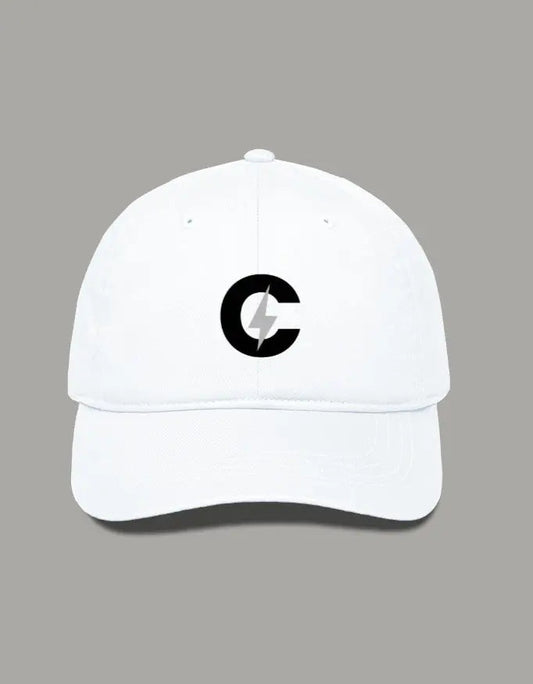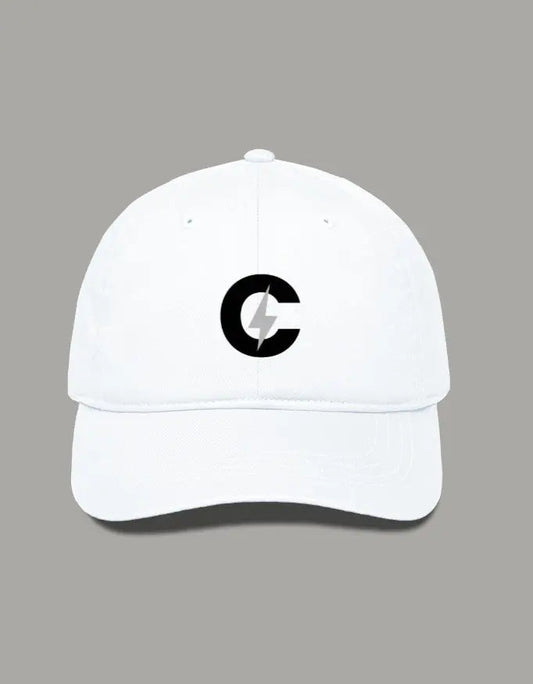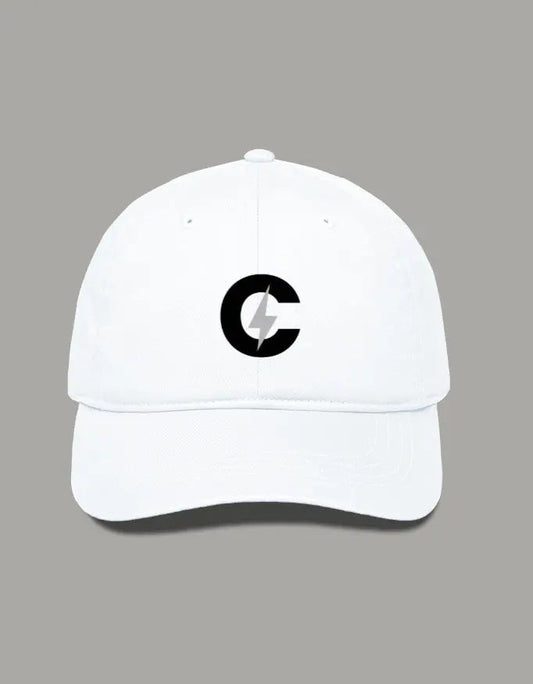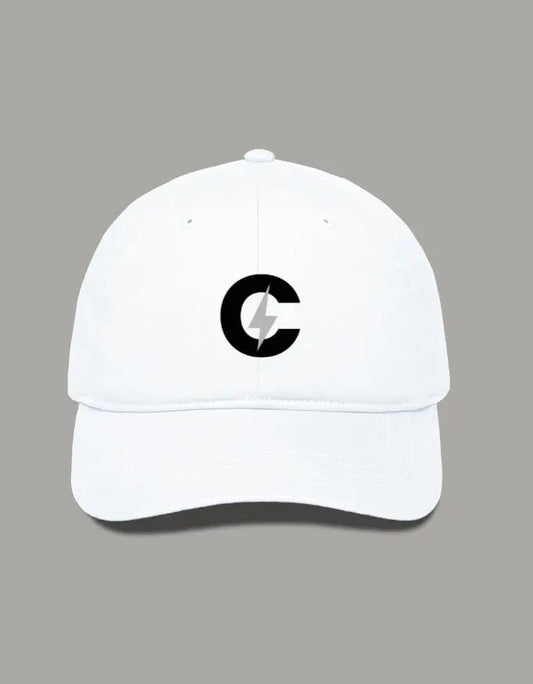
Chaze Fit Sports Cap

What Is Cotton Drill Fabric? (And Why It Holds Cap Shape)

Last Updated: July 2026 | Author: Ankit Mange, Founder, Chaze Fit | Reading Time: 6 minutes

Cotton drill is a fabric defined by its weave structure, not its fibre content - it uses a 2-over-1 twill construction where the weft thread passes over two warp threads and under one, creating the diagonal ribbing visible on denim, chino trousers, and military uniform fabric. This interlocking pattern packs threads more tightly per square centimetre than the simple over-under plain weave used in most budget cap cotton, which is what gives drill fabric 35-40% higher density and its characteristic resistance to deformation. It's the same fabric family used in workwear because it needed to survive repeated mechanical stress without losing shape - the same requirement a sports cap crown has.

Featured Product

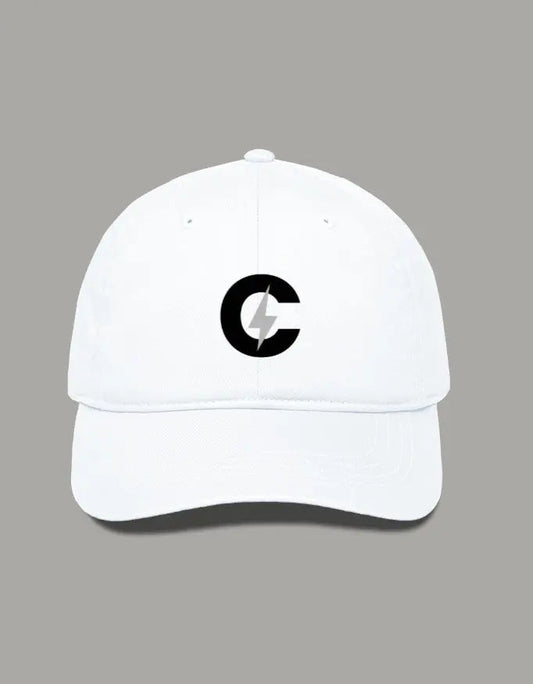
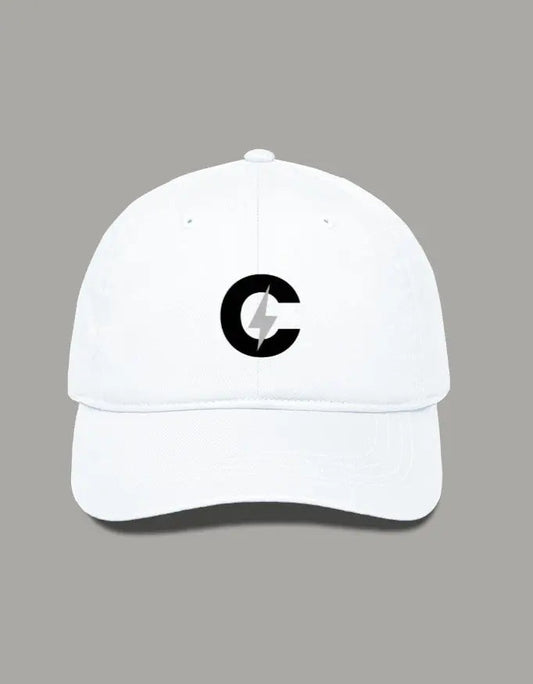
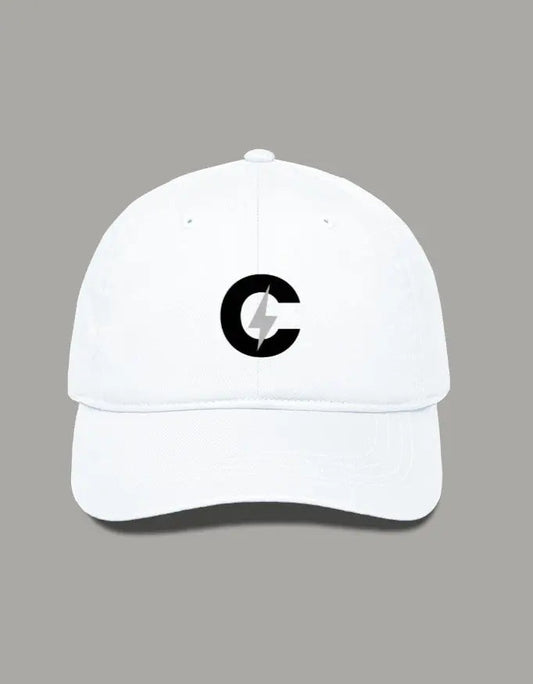
Chaze Fit Performance Sports Cap

Structured cotton drill · ₹599

Shop Now →

Plain Weave vs Twill Weave: The Structural Difference

Plain weave is the simplest weave pattern - each weft thread alternates over and under a single warp thread, creating a checkerboard-like grid. It's cheap to produce and fine for lightweight applications, but the looser thread interlocking means the fabric has more give and relaxes more easily under repeated stress. Twill weave, which drill belongs to, offsets the over-under pattern by one thread each row, creating the diagonal rib and, more importantly, more contact points between threads per square centimetre. More contact points means the fabric structure resists shifting and deformation better.

8 Facts About Cotton Drill Fabric

Finding 1: "Drill" Refers To The Weave, Not The Fibre

Cotton drill is cotton fibre woven in a 2-over-1 twill pattern. The same twill structure can be woven from other fibres, but "drill" as a term specifically describes this weave family, historically most associated with cotton.

Finding 2: Denim Is Also A Twill Weave, Just A Different Ratio

Denim typically uses a 3-over-1 or 2-over-1 twill with dyed warp and undyed weft threads. Drill fabric for caps and workwear typically uses a 2-over-1 twill with both threads the same colour, producing a flatter, less pronounced diagonal than denim.

Finding 3: Thread Density Is Measured Independently Of Weave Type

Two fabrics with the same twill weave can still differ in density depending on thread count per square centimetre. The Chaze Fit Performance Cap uses a cotton drill that is 35-40% denser than the plain-weave cotton typical of budget caps, on top of the structural advantage from the twill weave itself.

Finding 4: Twill Weave Resists Wrinkling Better Than Plain Weave

The diagonal rib structure distributes mechanical stress across more thread intersections, which is part of why twill fabrics resist creasing and wrinkling better than plain weave under repeated folding or stretching.

Finding 5: Drill Fabric Is Not Inherently Water-Resistant

Cotton fibre is hydrophilic regardless of weave - drill fabric absorbs water into the fibre structure the same way plain-weave cotton does. The weave affects structural durability, not moisture behaviour. This is why cotton drill caps are not quick-dry.

Finding 6: The Diagonal Rib Is Visible And Tactile

Unlike plain weave's flat grid texture, drill fabric has a visible and touchable diagonal ridge pattern - a quick way to identify true drill fabric versus a cap simply labelled "cotton" with no weave specified.

Finding 7: Drill Fabric's Density Adds Weight Versus Plain Weave Or Mesh

The tighter thread packing that gives drill its structure also makes it heavier per square centimetre than plain weave or open mesh fabrics - part of why a cotton drill cap (85g) weighs more than a typical mesh running cap (55-65g).

Finding 8: Structural Fabric Still Needs A Stiffened Brim Insert To Prevent Curling

Cotton drill's density helps the crown hold shape, but the brim's flat or curved profile is held by a separate rigid insert - fabric density alone doesn't prevent brim curling if the insert is thin or absent. See why sports caps lose their shape for the full breakdown of both failure points.

TC Drill, Java Drill, Japan Drill: Regional Names For The Same Family

Indian fabric listings often use trade names that add a fibre-blend or regional qualifier onto the base drill/twill structure. "TC drill" (Terry Cotton or Tetron Cotton) is a polyester-cotton blend woven in the same 2-over-1 twill - the blend adds some wrinkle resistance and slightly faster drying versus 100% cotton drill, at some cost to breathability. "Java drill" and "Japan drill" are more regional trade names than distinct weave structures, generally denoting a cotton or cotton-blend drill of a particular weight or finish common to a specific supplier region. None of these names change the underlying weave principle described above - always check the actual GSM and fibre content stated, rather than relying on a regional or trade name alone to judge quality.

Why This Matters When Buying A Cap

Listings that simply say "cotton cap" without specifying the weave are very likely plain weave - the cheaper, less structured default. Look for "drill," "twill," or an explicit density claim (like "35-40% denser") to know you're getting the structural fabric. For how cotton drill stacks up against technical polyester for different use cases, see our fabric comparison.

The Chaze Fit Performance Sports Cap

The Chaze Fit Performance Sports Cap (₹599) uses a cotton drill 35-40% denser than standard cap cotton, paired with a PE-stiffened 7cm brim - addressing both the fabric and insert sides of shape retention. Full specification in the complete buyer's guide.

Related Articles

Frequently Asked Questions

Q1: What is cotton drill fabric?

A 2-over-1 twill weave made from cotton fibre - the weft thread passes over two warp threads and under one, creating tighter thread interlocking than plain weave.

Q2: Is cotton drill the same as denim?

Related but not identical - both are twill weaves, but denim typically uses dyed warp threads and a different twill ratio, producing a more pronounced diagonal than drill fabric.

Q3: What is a "drill cap"?

A cap made from cotton drill - a densely woven twill fabric that holds its crown shape better than caps made from plain-weave cotton, due to tighter thread interlocking from the diagonal weave structure.

Q4: Why is cotton drill denser than regular cap cotton?

The twill weave itself packs more thread contact points per square centimetre than plain weave, and manufacturers can further increase thread count for additional density - the Chaze Fit Performance Cap uses drill 35-40% denser than standard cap cotton.

Q5: Does cotton drill dry faster than regular cotton?

No - weave type doesn't change the fibre's water absorption behaviour. Cotton drill is not quick-dry; it takes 2-3 hours to air dry after heavy sweat or rain.

Q6: How can I tell if a cap is really made from drill fabric?

Look for a visible and touchable diagonal rib texture, and check the listing for the words "drill" or "twill" - generic "cotton" listings are usually plain weave.

Q7: Does cotton drill fabric prevent a cap brim from curling?

No - fabric density affects crown structure, not brim curling. Brim shape is held by a separate rigid insert, typically PE-stiffened plastic.

Q8: Is cotton drill heavier than other cap fabrics?

Yes - its density makes it heavier per square centimetre than plain weave or open mesh. The Chaze Fit Performance Cap is 85g versus roughly 55-65g for a typical mesh running cap.

Q9: What other products use cotton drill fabric?

Workwear, military uniforms, chino trousers, and structured caps commonly use drill or twill weaves for the same reason - durability under repeated mechanical stress.

Q10: Is a higher thread count always better in cotton drill?

Generally yes for structure and durability, though it also adds weight - the Chaze Fit Performance Cap's 35-40% density increase over standard cap cotton was chosen to balance structure against staying under the 90g perceptual weight threshold.

Q11: Does cotton drill wrinkle less than plain weave cotton?

Yes - the diagonal twill structure distributes mechanical stress across more thread intersections, giving it better wrinkle and crease resistance than plain weave.

Q12: Can synthetic fibres be woven in a drill pattern?

Yes, technically - twill weave is a structural pattern independent of fibre type - but "cotton drill" specifically refers to the cotton-fibre version, which is what gives it the natural breathability and hand-feel associated with the fabric.

Q13: Why did Chaze Fit choose cotton drill over other structural fabrics for its cap?

Cotton drill offered the best balance of structure, weight, and long-term durability under Indian sun and sweat conditions across the 5 prototypes tested, without the added cost and stiffness of heavier canvas-weight alternatives.

Q14: What is TC drill fabric? Is it different from cotton twill?

TC stands for Terry Cotton or Tetron Cotton, a polyester-cotton blend woven in the same 2-over-1 twill drill structure. It behaves similarly to 100% cotton drill structurally, but the polyester content adds some wrinkle resistance and slightly faster drying at the cost of the breathability pure cotton drill offers. "TC drill vs cotton twill" is really the same weave question with a fibre-blend variable added.

Q15: What is Java drill or Japan drill fabric?

Regional trade names rather than a distinct weave structure - both generally refer to a cotton or cotton-blend drill fabric, sometimes denoting a specific weight or finish common to a particular supply region. Always confirm actual GSM and fibre content rather than relying on a regional name alone.

Follow Chaze Fit on Instagram for training tips, product drops, and behind-the-scenes testing.

Follow @chazefit →

About The Author

Ankit Mange is the founder of Chaze Fit and selected cotton drill fabric for the Performance Sports Cap after comparing weave types and densities across 5 prototype iterations.