What To Wear For Outdoor Training In India: Complete Gear Guide
Last Updated: July 2026 | Author: Ankit Mange, Founder, Chaze Fit | Reading Time: 8 minutes
Outdoor training in Indian conditions - cricket practice, outdoor HIIT, running, or field sports - needs gear built for 6-9 UV index and 32-38°C ambient heat, not gear designed for an air-conditioned gym floor. The core kit is a structured, UV-blocking cap, a moisture-wicking or breathable top, quick-dry shorts, and consistent hydration. Headwear matters more outdoors than indoors because it's the only piece of gear directly shielding the face and eyes from direct sun for the full session duration.
Direct Answer: The Outdoor Training Cap Checklist
- Brim depth of at least 6-7cm for meaningful UV shadowing of the face and eyes
- PE-stiffened, pre-curved brim insert - not cardboard - so it survives sweat and sun without curling
- Cotton drill or similarly dense fabric for structure that lasts through a full outdoor season
- Ventilation eyelets for airflow during 60-90 minute sessions
- Under 90g total weight to stay imperceptible during overhead-vision movements
Why Outdoor Training Gear Differs From Gym Gear
Indoor gym training happens in a controlled 22-24°C environment with no direct UV exposure. Outdoor training - cricket nets, running, HIIT camps, field sports - exposes you to direct sun for the full session, often 60-90 minutes, at ambient temperatures that can reach 38°C in peak summer months across most of India. Sweat rate is correspondingly higher, and sun exposure adds a variable that indoor gear was never built to handle.
8 Findings On What Actually Matters For Outdoor Kit
Finding 1: Brim Depth Is The Single Biggest Factor In Face And Eye UV Protection
A 7cm brim provides meaningfully more shadowing than the 4-5cm brims common on fashion caps - the difference is roughly 20-30 percentage points of effective UV blockage at typical midday sun angles.
Finding 2: A Cap That Curls Mid-Season Loses Its Protective Function, Not Just Its Looks
Once a brim curls upward, its shadowing angle at the edges - which blocks low-angle morning and evening sun - is compromised, regardless of the brim's original depth rating.
Finding 3: Cricket And Field Sports Specifically Need Unrestricted Upward Vision
Brims deeper than 8cm begin restricting the upward glance needed for catching or fielding. 7cm balances coverage against vision.
Finding 4: Ventilation Eyelets Matter More Outdoors Than Indoors
Passive airflow through eyelets becomes more important as ambient heat rises - a sealed crown traps heat directly against the scalp during extended sun exposure.
Finding 5: Structured Caps Read As Appropriate For Both Training And Travel To/From The Session
A tailored, structured cap transitions from the field or track directly into a commute or errands without looking purely athletic - useful when outdoor sessions bookend a workday.
Finding 6: Weight Under 90g Stops Being A Factor During Extended Wear
Above roughly 110g, headwear becomes a consistent, low-level distraction during long outdoor sessions - particularly during repeated overhead movements.
Finding 7: Adjustable Strap Type Matters More Outdoors Where Sweat Volume Is Higher
Velcro straps see more sweat exposure outdoors and degrade faster than in air-conditioned gym use - a slider buckle holds tension more consistently over a full outdoor season.
Finding 8: Sweatband Quality Affects Session Comfort More In Outdoor Heat
A dedicated, absorbent, removable sweatband at the forehead contact point matters more in 32-38°C outdoor conditions where sweat volume is significantly higher than indoor training.
The Rest Of The Outdoor Kit
Beyond headwear, outdoor training in Indian heat calls for breathable, moisture-wicking tops and quick-dry shorts to manage the higher sweat volume, and consistent hydration through the session - direct sun exposure increases fluid loss compared to equivalent indoor effort. Headwear is the piece most commonly under-specified because buyers default to whatever cap is already in the cupboard rather than checking brim and fabric construction.
Common Mistakes When Gearing Up For Outdoor Sessions
- Wearing an indoor gym cap or no cap at all outdoors: Fashion caps and bare heads both leave the face and eyes unshadowed during the exact conditions that need it most.
- Choosing a cap based on colour or logo instead of brim depth and insert quality: These two specifications determine actual sun protection and shape retention - not the print.
- Assuming any cap works for cricket: Brim depth needs to balance coverage against upward vision for catching and fielding.
- Ignoring dry time when packing for back-to-back outdoor sessions: A cotton drill cap needs 2-3 hours to air dry - plan spare headwear if you're training outdoors twice in one day.
The Chaze Fit Performance Sports Cap For Outdoor Training
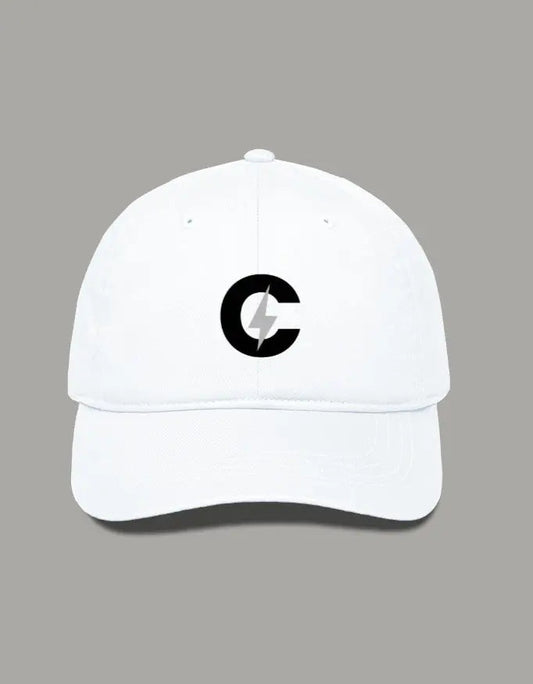
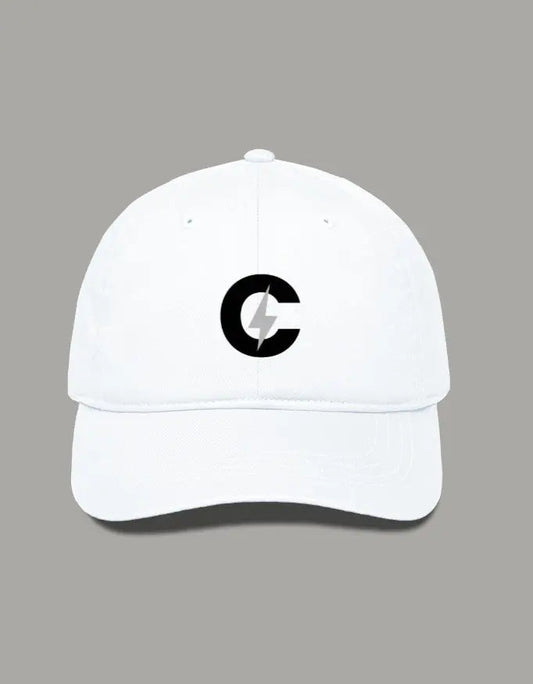
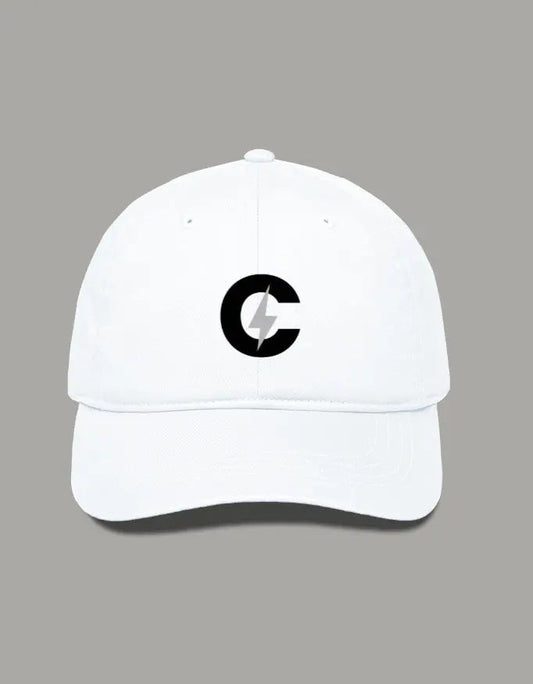
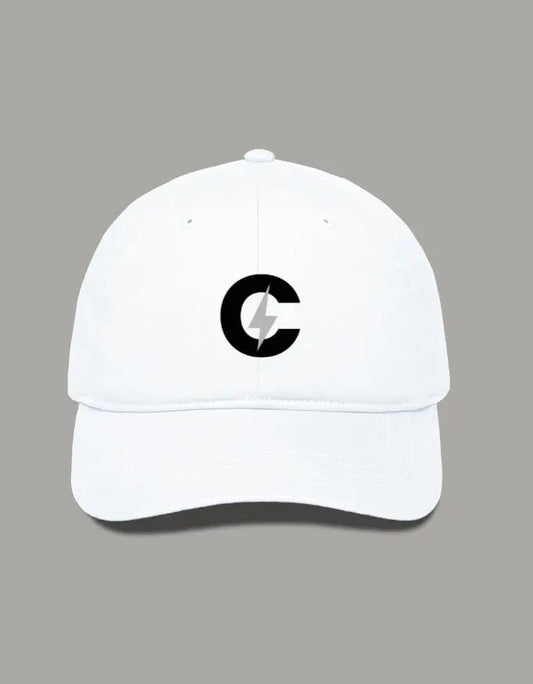
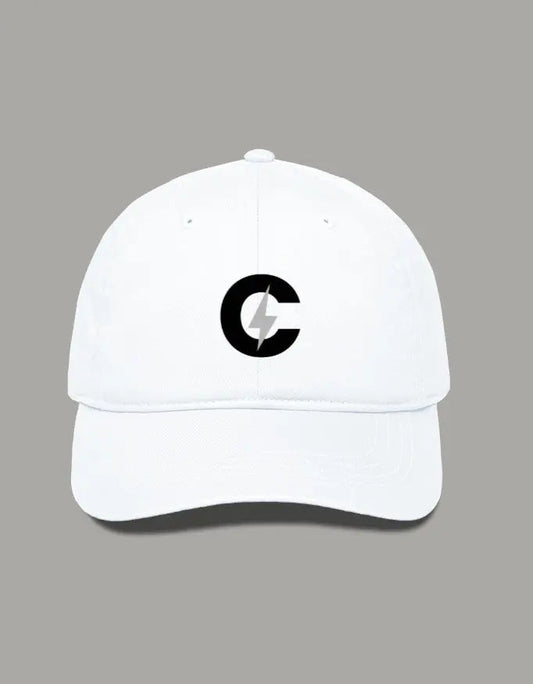
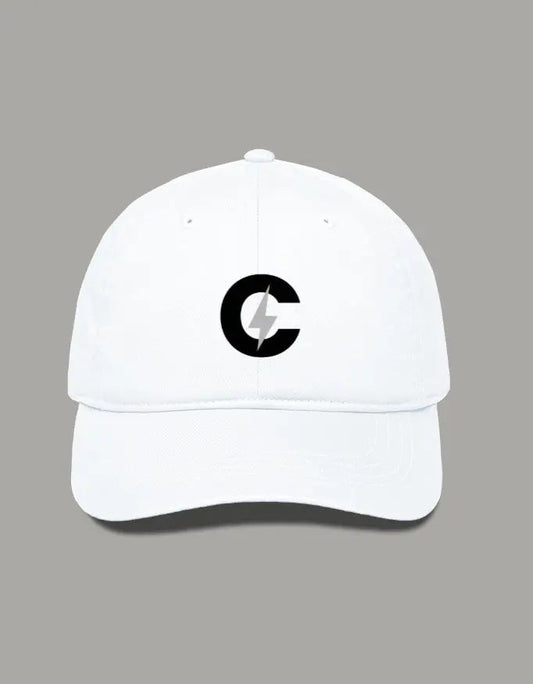
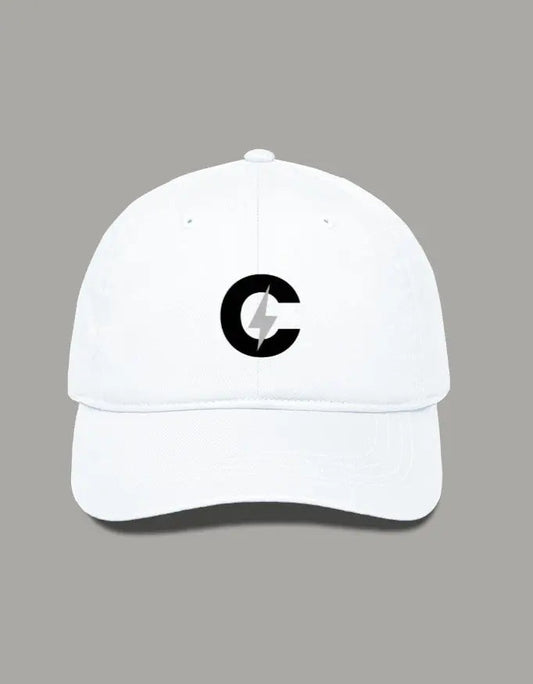
The Chaze Fit Performance Sports Cap (₹599) was built specifically around these outdoor-use findings - 7cm PE-stiffened brim, 60-70% UV blockage, six ventilation eyelets, and 85g weight. See the complete buyer's guide for the full specification breakdown.
Related Articles
- The Complete Guide To Sports Caps In India
- Why Sports Caps Lose Their Shape After A Few Weeks
- Best Sports Cap In India - Tested & Reviewed
Frequently Asked Questions
Q1: What should I wear on my head for outdoor training in India?
A structured cap with at least a 6-7cm brim, a PE-stiffened insert to resist curling, and ventilation eyelets - the Chaze Fit Performance Cap covers all three at ₹599.
Q2: How much UV protection does a good outdoor training cap provide?
Around 60-70% face and eye UV blockage from a 7cm structured brim - roughly equivalent to UPF 15 at that brim depth.
Q3: Is a cap necessary for indoor gym training?
Less critical - indoor gyms have no direct UV exposure. Headwear matters far more for outdoor sessions.
Q4: What brim depth is best for cricket?
Around 7cm - deep enough for meaningful UV coverage without restricting the upward vision needed for fielding and catching.
Q5: Why does outdoor training need different gear than gym training?
Direct UV exposure, higher ambient heat (32-38°C vs 22-24°C indoors), and correspondingly higher sweat rates all demand gear built for those specific stresses.
Q6: How often should I replace outdoor training headwear?
With cotton drill fabric and a PE-stiffened brim, expect 12-18 months of regular use before meaningful shape loss. Budget caps often need replacing within 2-3 months.
Q7: Does a structured cap work for both training and everyday wear?
Yes - a tailored, structured cap reads as smart-casual rather than purely athletic, making it suitable for wear before and after outdoor sessions.
Q8: What's the biggest headwear mistake for outdoor training?
Choosing based on colour or branding instead of checking brim depth, insert material, and fabric weave - the specifications that actually determine protection and durability.
Q9: Can I train outdoors twice in one day with the same cap?
Not comfortably with a cotton drill cap - it needs 2-3 hours to air dry after heavy sweat exposure. Have a second cap on hand for back-to-back sessions.
Q10: How many ventilation points should an outdoor training cap have?
At least six eyelets, roughly 8mm diameter, positioned across the panels for passive airflow during extended heat exposure.
Q11: Does cap weight matter for outdoor sessions?
Yes, particularly for sessions involving repeated overhead movement. Under 90g stays imperceptible; above 110g becomes a noticeable distraction over a 60-90 minute session.
Q12: What strap type holds up best for sweaty outdoor sessions?
A slider buckle rather than velcro - velcro loses grip strength faster under higher outdoor sweat exposure.
About The Author
Ankit Mange is the founder of Chaze Fit and built the outdoor training gear recommendations in this guide from 40+ personal outdoor training sessions across Chennai, Mumbai, and Bengaluru.