

Last Updated: August 2026 | Author: Ankit Mange, Founder, Chaze Fit
The Indian Gym Gear Market Has A Specification Problem. Not A Price Problem.
The standard narrative about Indian gym wear is: international brands are overpriced, domestic alternatives are low quality, and the solution is finding the middle ground. Pay ₹800–1,200 instead of ₹299 or ₹3,500 and you will find something acceptable.
I do not think this narrative is correct. The problem is not price. It is specification. And those are different problems with different solutions.
What A Specification Problem Looks Like
A specification problem means: the product fails because it was built to the wrong specification, not because it was built cheaply to the right specification.
The 120 GSM polyester gym vest that turns transparent when wet is not a low-quality product. It is a product built to a specification that does not address the Indian gym problem of transparency under fluorescent lighting at high sweat saturation. The manufacturer may have excellent quality control. They are producing exactly what they designed. What they designed does not solve the problem.
A ₹1,200 gym vest from a mid-range Indian brand that also uses 140 GSM polyester is not solving the specification problem either. It is the same specification at a higher margin.
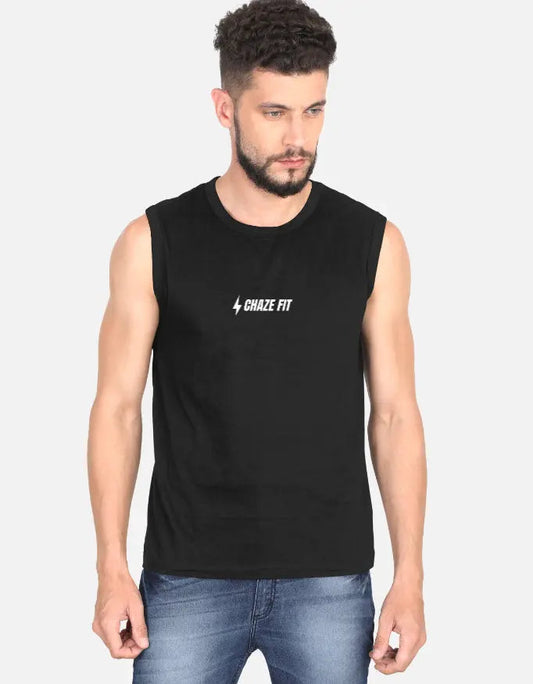
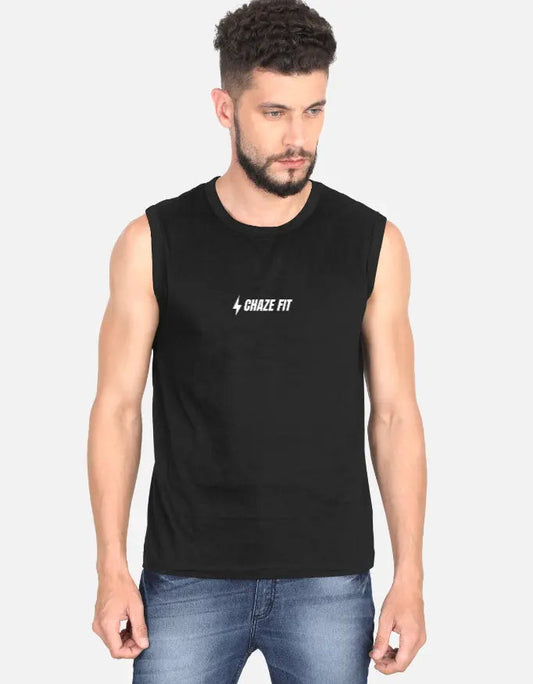
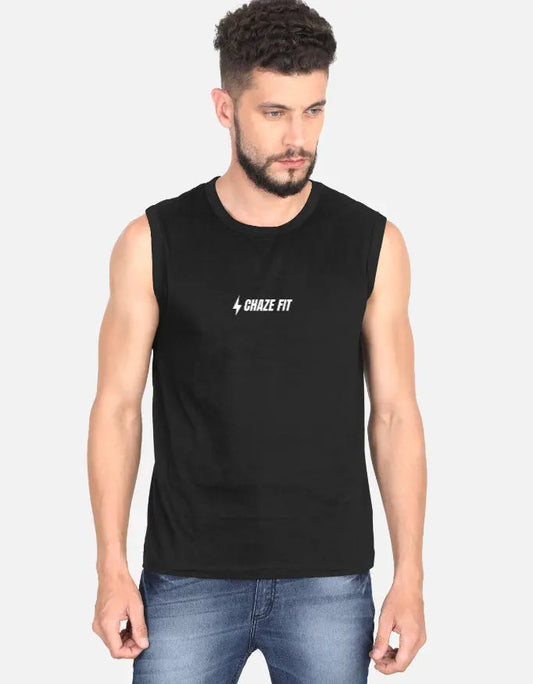
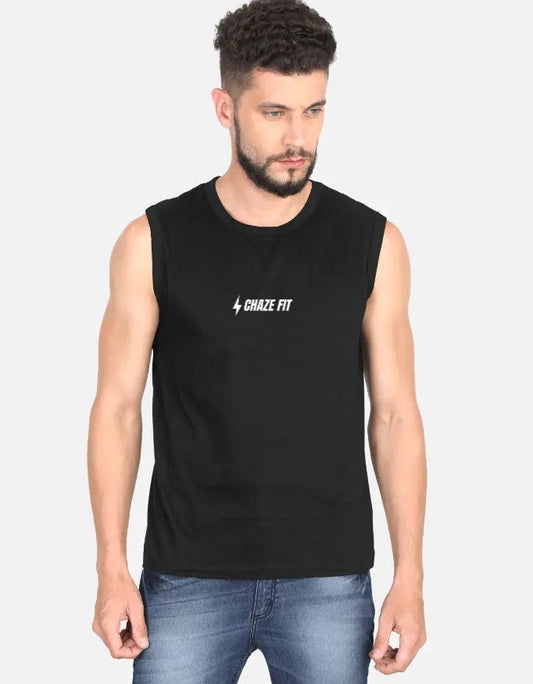
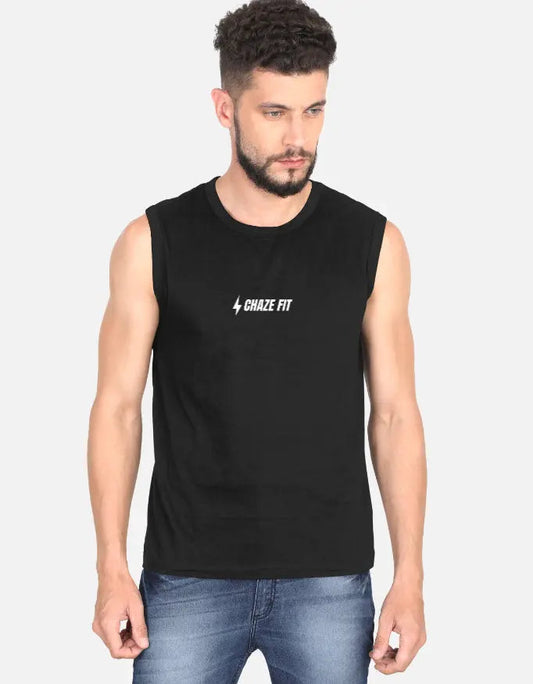
The correct specification for a gym vest that does not turn transparent under Indian gym conditions is 180 GSM minimum. That is not a premium specification. It is the minimum viable specification for the specific problem. A brand building a gym vest at 180 GSM and pricing it at ₹699 is solving the specification problem at an accessible price. A brand building a gym vest at 140 GSM and pricing it at ₹999 is not solving the specification problem at any price.
Why The Specification Problem Exists
The specification problem exists because most Indian gym wear is manufactured without testing in Indian conditions. This is not a criticism of manufacturers. It is an observation about incentives.
A manufacturer producing 10,000 gym vests for three different brands has no reason to test whether the 140 GSM polyester they are using turns transparent under fluorescent gym lighting when wet. That test was not part of the product brief. The product brief was: a gym vest in these colours at this cost per unit. The transparency question was never asked.
The brands buying from that manufacturer are similarly not asking the question. They are pricing to a market, not testing to a failure mode. If their customers are returning vests because of transparency, that information may never reach the product brief for the next order. The feedback loop does not exist.
The Manufacturing Constraint Nobody Talks About: Minimum Order Quantities
There is a structural reason the specification problem persists beyond incentives alone, and it's one most discussions of this topic skip: minimum order quantities (MOQs). A contract manufacturer typically requires a minimum run - often 500-2,000 units per fabric/colour/spec combination - before they'll produce at all. That means every specification decision a small or mid-size brand makes is locked in at that volume before a single unit has sold or been tested against real customer use.
This creates a specific trap: a brand testing a new GSM or construction has to commit to manufacturing volume before it has real-world failure data, which pushes most brands toward whatever specification the manufacturer already has tooled up and ready to produce cheaply, rather than the specification that's actually correct for the end use. When I was sourcing the FlexDry vest fabric, the manufacturer's "ready to go" option was 140 GSM, because that's what most of their other clients already ordered. Getting to 180 GSM meant a separate, smaller pilot run at a higher per-unit cost before committing to the full MOQ - an option most brands operating on tighter margins simply don't take, because it means paying a premium twice: once for the pilot, once for the full run. This is a structural reason the specification gap doesn't self-correct through market competition the way you'd expect - the MOQ system rewards sticking with whatever's already tooled, not testing toward the correct spec.
What Solving The Specification Problem Requires
It requires asking the right questions and documenting the answers.
For the gym vest: what is the minimum GSM at which 100% cotton remains opaque under direct overhead fluorescent lighting when fully sweat-saturated during a heavy 45-minute session at 31°C? The answer is 180 GSM. I know this because I tested four GSM weights at four saturation levels under controlled fluorescent lighting conditions. That test took one afternoon. The product brief has been 180 GSM ever since.
For the gym bag: what is the minimum fabric specification at which the eyelet does not fail under the standard Indian daily gym load (2.3kg) over 60 days? The answer is 250 GSM canvas with metal eyelets. I know this because I loaded three bag materials at 2.3kg for 60 days and measured eyelet distortion at day 7, 14, 30, and 60. 120 GSM polyester: torn at day 14. 150 GSM polyester: torn at day 42. 250 GSM canvas: zero distortion at day 60.
For the gym water bottle: what is the minimum insulation specification at which water remains cold through a 35-minute metro commute and a 60-minute training session in a 31°C gym? The answer is single-wall aluminium for cold 3–4 hours, or double-wall vacuum for cold 12+ hours. I know this because I measured water temperature in four bottle types at 30-minute intervals in a 30°C environment.
None of these tests are complicated. They require time, repetition, and the willingness to document the findings honestly. What they produce is a product brief that solves a specific failure at the minimum necessary specification.
The Market The Specification Problem Creates
The specification problem in Indian gym wear creates an opportunity that is not about being premium. It is about being correct.
A gym vest that is opaque when wet, priced at ₹699, built from 180 GSM cotton: that vest does not need to compete with Nike on brand or design. It needs to solve the specific problem that Nike's 160 GSM vest does not solve in Indian conditions and that domestic 120 GSM vests do not solve either.
The correct specification, at an honest price, with the test data documented so the buyer can evaluate the claim before purchasing. That is the gap. That is what Chaze Fit is trying to fill.
Ankit Mange, Founder, Chaze Fit
Follow Chaze Fit on Instagram for training tips, product drops, and behind-the-scenes testing.
Follow @chazefit →The specifications behind every Chaze Fit product are documented at chazefit.com. Brand overview: What Is Chaze Fit? Product testing philosophy: About Chaze Fit.
Related reading: the ₹699, 180 GSM vest example above is reviewed in full in Best Men's Gym Vest In India, Tested & Reviewed, and the fabric comparison behind that specification is in Cotton vs Polyester Gym Vest: Which Is Better For Indian Gyms?.
Continue reading
For the next step, explore this related guide.
Tags:
Previous
Best Gym Wear Under ₹500 In India: What Actually Holds Up
Next
Chaze Fit vs Decathlon: Which Gym Wear Makes Sense For You?
Related articles

-
Aug 20 2026