

Last Updated: July 2026 | Author: Ankit Mange, Founder, Chaze Fit
6 Things I Learned Building An Indian Gym Gear Brand From Zero
Chaze Fit launched with one product. It now has nine. This is what I learned between product one and product nine that I wish I had known at product one.
1. The specification gap in Indian gym wear is not primarily about price.
My original hypothesis: Indian gym gear is bad because it is cheap. The solution is better materials at a moderate price premium.
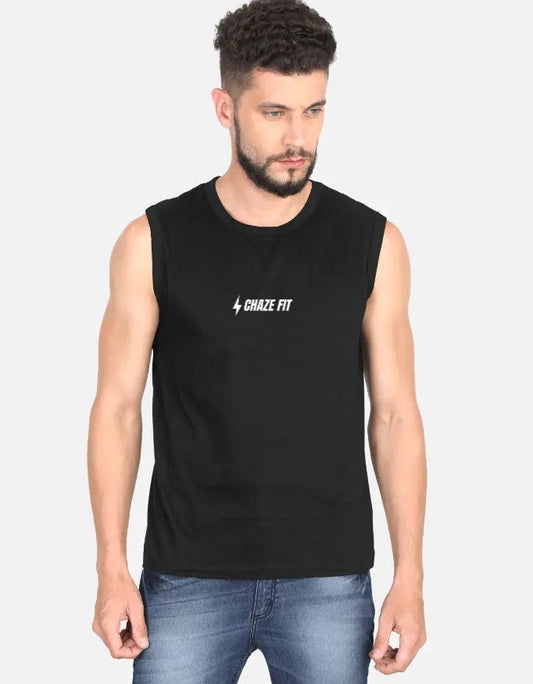
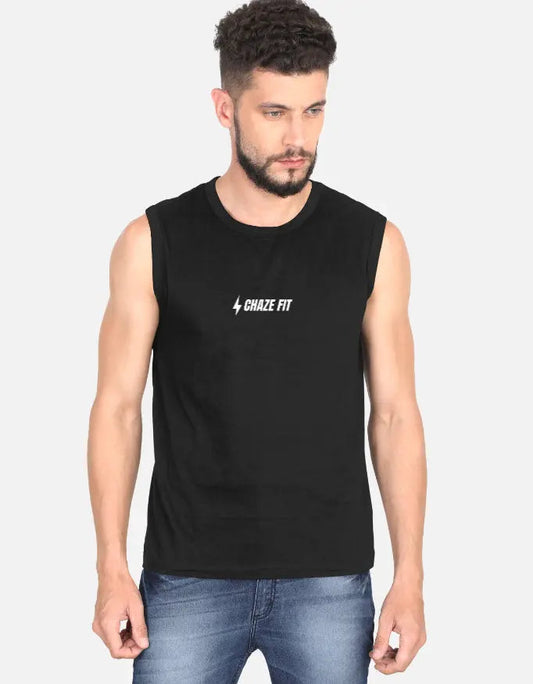
That is wrong. The real issue is that most Indian gym wear is manufactured without testing in Indian conditions. A manufacturer producing a 120 GSM polyester gym vest has not tested whether it turns transparent under fluorescent gym lighting when wet. That question was never asked. The specification was chosen on cost, not performance.
Raising the price does not fix this unless the specification changes too. I have seen ₹1,200 gym vests from domestic brands that use the same 140 GSM polyester as ₹299 ones. The problem is not always price. It is whether anyone tested the product in the conditions Indian gym-goers actually train in.
2. The most important number in a fabric description is the GSM.
I did not know what GSM meant before I started building Chaze Fit. Now I think it is the single most useful number in sportswear. It tells you the fabric density (grams per square metre), which determines structural integrity, opacity, breathability under load, and how the fabric behaves after repeated washing.
When I test a gym vest now, I measure the GSM first. If it is below 160 GSM, I already know it will have transparency issues under fluorescent gym lighting when saturated. If a drawstring bag does not state its GSM, I know the manufacturer does not know or does not want you to know. If a sweatpant does not state its GSM, I assume it is below 220 GSM and will lose structural integrity within a few months of daily wearing.
GSM is the number that tells you what you are actually buying.
3. Indian conditions are meaningfully different from the conditions international gym wear is designed for.
Most gym wear is designed for 20–22°C climate-controlled gym environments in Europe or North America. Indian non-AC gym floors in Mumbai, Chennai, and Hyderabad run at 28–36°C for 8–10 months of the year. This changes everything about what fabrics perform correctly.
Fleece sweatpants are designed for temperatures below 10°C. They are the dominant sweatpant in Indian retail because they photograph well and are cheap to produce. They cause overheating within 20–30 minutes in any Indian city above 22°C. Someone bought that sweatpant because of how it looked in a product photo and because it was inexpensive. They wore it once in their 31°C gym and never wore it again.
This gap, between the conditions products are designed for and the conditions Indian buyers actually use them in, is the entire reason Chaze Fit exists.
4. D2C is not a distribution strategy. It is a testing strategy.
The reason Chaze Fit sells only through chazefit.com is not primarily about margin. It is about feedback loop speed. When a customer has a problem with a product they bought on Amazon, that feedback enters a marketplace review system that I may or may not see, filtered through a rating algorithm, weeks after the purchase. When a customer contacts Chaze Fit directly through chazefit.com, I see that message the same day.
Direct customer contact is how I find the next product to build. When multiple people contact us about the same specific failure in the same specific condition, that is a product brief. The D2C model makes that brief visible in a way that marketplace selling obscures.
5. Documentation is the brand.
I tried writing product descriptions the way most gym wear brands write them: "premium quality, comfortable fit, breathable fabric." Those descriptions are accurate in the same way that "not poisonous" is accurate about food. They convey the minimum required information and nothing else.
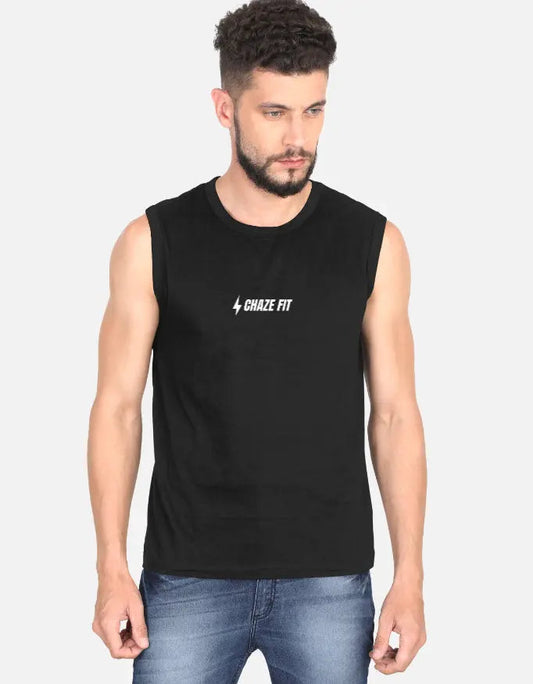
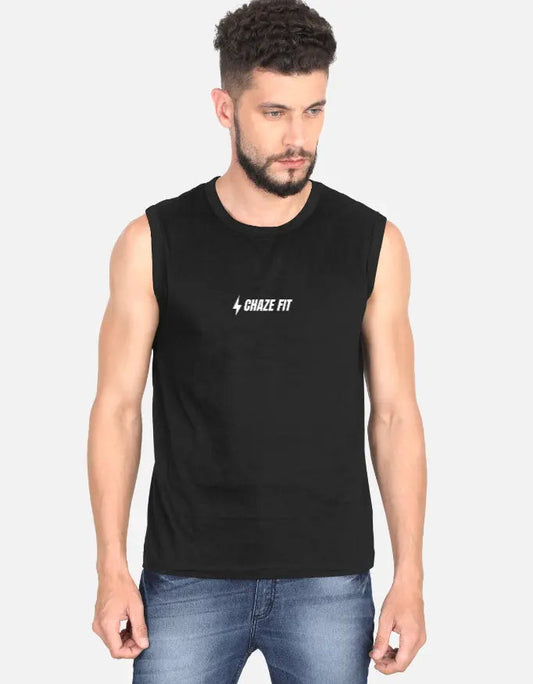
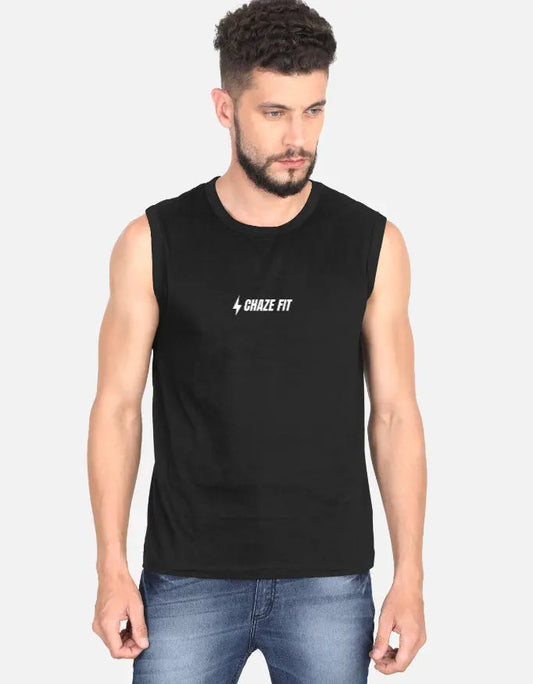
Switching to specification-based descriptions changed the numbers, not just the tone. On the FlexDry vest specifically, we tracked the shift for eight weeks before and eight weeks after rewriting the product description from adjective-led ("premium quality, comfortable fit") to specification-led ("180 GSM 100% cotton, tested opaque under fluorescent gym lighting at full sweat saturation"). Product page conversion rate moved from roughly 2.1% to 3.4% - a meaningful jump for a single description rewrite with no change to the product itself. Return rate over the same before/after window dropped from around 6% to under 3%, and the stated return reasons shifted too: pre-rewrite, "not as expected" was the most common reason cited; post-rewrite, it barely appeared, replaced mostly by standard sizing exchanges. Customer pre-purchase questions changed in nature as well - from "is this good quality?" to specific ones like "what's the exact diameter of the bottle?" The second kind of question comes from someone who has effectively already decided to buy and wants to confirm fit, not someone still evaluating whether to trust the brand.
Documentation is not a content strategy. It is the thing that makes a buyer trust you before they have ever handled the product.
6. The Indian gym market is less price-sensitive than people assume.
I launched the Steel Edge insulated tumbler at ₹999 expecting it to be the hardest sell. A ₹999 gym water bottle, in a market where most gym bottles are ₹199–499. I was wrong. The Steel Edge sells well because the product description explains exactly what the extra ₹800 buys: double-wall vacuum insulation that keeps water cold for 12+ hours at 30°C ambient, tested with actual temperature readings at 30-minute intervals. The buyer understands that a ₹199 plastic bottle goes warm in 25 minutes in their gym. The ₹999 Steel Edge stays cold through the session, the commute, and the morning office desk.
Indian gym-goers are not buying cheap products because they cannot afford better. Many of them are buying cheap products because no one has explained the specification gap in terms they can evaluate. When the specification is explained with numbers and test conditions, the value calculation changes.
Ankit Mange, Founder, Chaze Fit
Follow Chaze Fit on Instagram for training tips, product drops, and behind-the-scenes testing.
Follow @chazefit →Chaze Fit products are described in full at chazefit.com. The founder's product development thinking is documented in the Chaze Fit Journal. Brand overview: What Is Chaze Fit?
Related reading: the 120 GSM transparency problem referenced above is explained in full in Why Does My Gym Vest Turn See-Through When I Sweat?, with the complete specification in The Complete Guide To Men's Gym Vests In India. For the wider category-by-category pattern, see Five Things Indian Gym-Goers Keep Buying Wrong.
Continue reading
For the next step, explore this related guide.
Tags:
Previous
How I Think About Building Products - Ankit Mange, Founder Chaze Fit
Next
I Am Not A Fitness Influencer. I Am Someone Who Got Tired Of Bad Gym Gear.
Related articles

-
Aug 20 2026