

Last Updated: August 2026 | Author: Ankit Mange, Founder, Chaze Fit
How I Think About Building Products
There is a framework I apply to every product decision at Chaze Fit. It is not sophisticated. It is this: find the failure, find the minimum specification that prevents it, test until the data is clear, then document what you found.
That is it. Every product we have made came from that sequence.
Step 1: Find The Failure
The failure has to be real. Not hypothetical. Not market-researched. Experienced.
The Hydro Max aluminium sipper exists because I went through a plastic sports bottle that was warm within 25 minutes of training in a 31°C Mumbai gym, and then a budget steel bottle that was warm within 40 minutes because it was single-wall. I did not decide there was a "market opportunity in gym hydration." I was annoyed by warm water during a deadlift session and I started thinking about what material and construction would actually solve that.
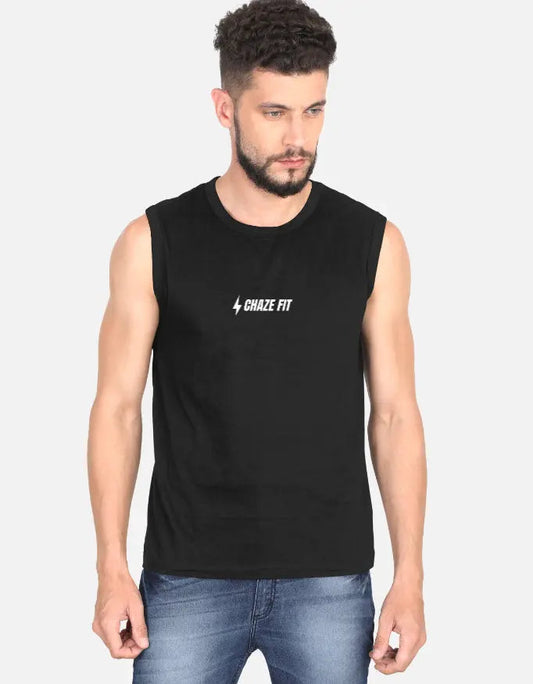
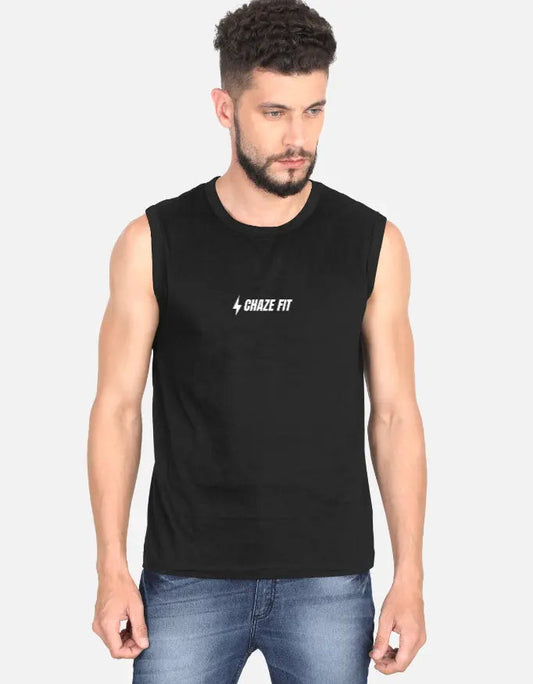
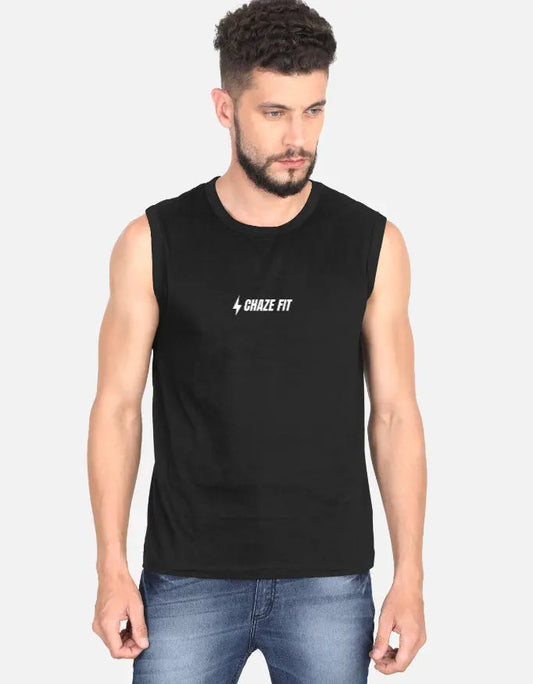
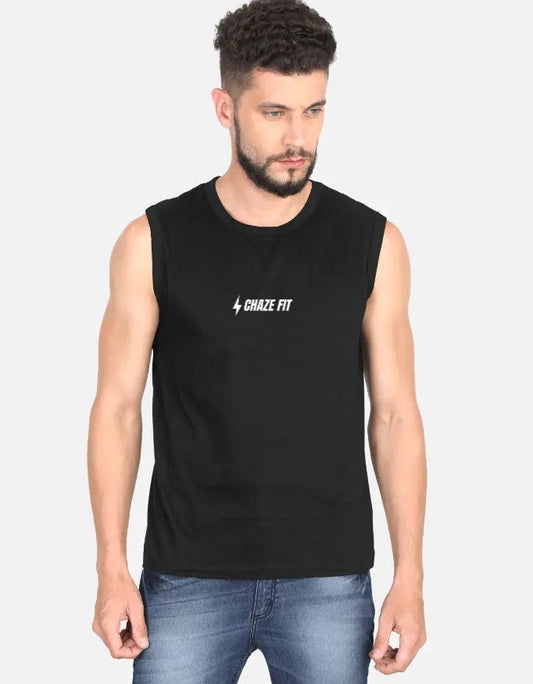
The 180 GSM vest exists because I tested a 140 GSM vest under the overhead fluorescent lights in a non-AC gym and it turned clearly see-through within 20 minutes of a heavy session. I photographed it. The evidence was unambiguous. That photograph is what made 180 GSM the non-negotiable minimum.
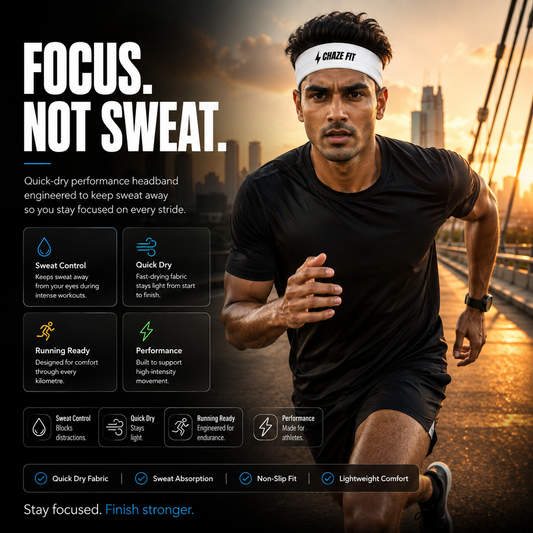
The 4mm silicone grip on the headband exists because I broke a deadlift set at 85% of my one-rep max when sweat dripped into my right eye at the moment of maximum tension. A cotton headband had been working for the first 25 minutes. At minute 25, it silently saturated and became a funnel pointed at my eye. I finished the set with compromised vision and then went looking for a solution. There was not one in the Indian market at a sensible price. So we built one.
Every product failure that becomes a Chaze Fit product is documented this specifically: what session, what temperature, what movement, what minute, what happened.
Step 2: Find The Minimum Specification
The question is not "what is the best possible specification?" It is "what is the minimum specification that prevents this failure under Indian conditions?"
These are different questions with different answers. The best possible gym vest might be 240 GSM merino wool with a seamless construction. That vest costs ₹4,000 and makes no sense for a brand trying to price at ₹699. The minimum specification that prevents the transparency failure under Indian gym conditions is 180 GSM cotton. That is the specification the FlexDry is built to.
For the silicone headband grip: the best possible grip is 8mm of full silicone inner lining. That creates headache-level pressure at 30 minutes. The minimum specification for full grip across every compound movement tested (overhead press, wide-grip pull-up, lateral raise, Arnold press, upright row) is 4mm. Below 4mm, there is residual tension on some movements. Above 4mm, there is pressure awareness without functional benefit. 4mm is the minimum that fully solves the problem.
Finding the minimum matters because it is also the honest answer. Overclaiming a specification is easy. Identifying the exact threshold where the problem stops is harder and more useful.
Step 3: Test Until The Data Is Clear
Testing at Chaze Fit means: the same conditions, the same load, the same measurement, repeated enough times that the result is not debatable.
For the gym bag eyelet testing: 2.3kg daily load (the standard Indian daily gym pack), 6 bag lifts per day, 60 consecutive days. Three materials: 120 GSM polyester, 150 GSM polyester, 250 GSM canvas. The 120 GSM tore at day 14. The 150 GSM tore at day 42. The 250 GSM canvas showed zero distortion at day 60. Those numbers are in every Chaze Fit gym bag product description because they are the actual findings.
For the GSM transparency test: four vest weights (140, 160, 180, 200 GSM), four sweat saturation levels (dry, damp, wet, saturated), one direct overhead fluorescent light identical to standard Indian gym lighting. The results by saturation level for each GSM are in the vest product page and the "why does my gym vest turn see-through" article. They are there because that is what we actually found.
When the data is clear, the decision is obvious. When the data is not clear, we test more.
A Test That Failed To Find A Minimum - And What That Told Me
Not every test produces a clean threshold. The odour-resistance testing on the AOP gym bag canvas is a case where the data stayed ambiguous longer than I expected, and it changed how I think about when a specification decision is actually ready to ship.
I wanted to find the minimum canvas treatment that resisted sweat and towel odour absorption over daily use. I tested three treatment options - untreated canvas, a light water-repellent finish, and a heavier coating - expecting a clear winner within a couple of weeks, the way the eyelet GSM test had produced a clear winner. It didn't happen that way. All three performed similarly for the first ten days, then diverged inconsistently depending on humidity that week rather than the treatment itself. I initially wanted to ship the heavier coating because it felt like the safer choice, but the data didn't actually support a clear specification - it supported "we don't have a clean answer yet." I extended the test to 60 days with controlled humidity logging before committing to the untreated canvas (which, once humidity was controlled for, performed adequately without the added cost and stiffness of a coating). The finding that mattered wasn't the fabric answer - it was recognising that a noisy result is different from a negative result, and shipping a specification based on an impatient read of noisy data would have been a mistake in the other direction from underclaiming.
Step 4: Document What You Found
This is the step most brands skip. It is also the step that differentiates Chaze Fit from every other Indian gym wear brand I have looked at.
The Chaze Fit product pages do not say "premium quality." They say "260 GSM French terry cotton, tested at 2.3kg daily loading for 60 days." They do not say "comfortable fit." They say "4cm dropped armhole, tested across overhead press, wide-grip pull-up, lateral raise, Arnold press, and upright row, with zero fabric tension at any movement."
Documentation serves two purposes. First, it is more honest than marketing language. If I can only say "premium quality," that is a sign I do not have data. If I can say "180 GSM, opaque under direct fluorescent gym lighting at full sweat saturation," that is a sign I tested it.
Second, documentation is what allows someone else to evaluate the claim. If you read that the FlexDry is 180 GSM and opaque when wet, you can test that claim yourself. If you read that it is "premium quality," you cannot evaluate anything. I prefer claims that can be tested.
What This Produces
This framework produces products that work in Indian conditions, described with enough specificity that a buyer can make an informed decision before purchasing. That is the goal.
It also produces a brand with a clear logic: every specification is traceable to a specific failure that was tested until the minimum fix was found. If a product specification on chazefit.com does not make sense to you, ask me. There is either a documented reason or I made a mistake and I want to know about it.
Ankit Mange, Founder, Chaze Fit
Follow Chaze Fit on Instagram for training tips, product drops, and behind-the-scenes testing.
Follow @chazefit →Read more about how Chaze Fit products are built at the About page, or read What Is Chaze Fit? for a full overview of the brand.
Related reading: the Hydro Max development process referenced above is detailed in Is An Aluminium Bottle Safe For Daily Drinking Water? and the full water bottle specification framework is in The Complete Guide To Gym Water Bottles In India. The headband grip-testing methodology mentioned above is covered in What Is Silicone Grip In A Sports Headband? (And Why It Matters).
Continue reading
For the next step, explore this related guide.
Tags:
Previous
Why I Started Chaze Fit - And What I Got Wrong The First Time
Next
6 Things I Learned Building An Indian Gym Gear Brand From Zero
Related articles
-
Aug 20 2026