
Quick answer: Growth in Indian fitness participation does not tell a shopper whether an individual product works for them. This article discusses the market through the perspective of Chaze Fit and the practical specifications buyers can compare.
Last Updated: July 2026 | Author: Ankit Mange, Founder, Chaze Fit | Reading Time: 8 minutes
India's fitness industry is growing at 15% annually and is projected to reach ₹37,700 crore by 2030, with 23+ million gym members across 65,000+ commercial fitness facilities. The problem is not participation. The problem is that the gym accessories and sportswear available to most Indian gym-goers are underspecified for Indian training conditions - 100-150 GSM polyester vests, plastic bottles that go warm in 20 minutes, drawstring bags that tear at the eyelet in 6 weeks. Chaze Fit exists to close this gap: the gear hasn't kept pace with the revolution.
India Is Becoming A Fitness Nation - The Numbers
Since the pandemic, millions of Indians have made a structural shift in how they relate to physical health. This is not a trend. It is a generational change in behaviour driven by four forces that are compounding simultaneously.
1. The youngest large population in the world. India's demographic profile is unique in global fitness history. The core gym-going age band - 18 to 35 - is the largest it has ever been and is growing. Young professionals in Mumbai, Bengaluru, Delhi, Hyderabad, Pune, and Chennai are incorporating gym training, running, cycling, and functional fitness into their weekly schedules at rates not seen in previous generations.
2. Social media normalising fitness culture. Instagram and YouTube have compressed the timeline between inspiration and action. A transformation video watched on a Tuesday commute becomes a gym membership on Thursday. Fitness influencers, athletes, and everyday people sharing their training journeys have made the gym part of mainstream Indian culture rather than a niche pursuit.
3. Preventive healthcare replacing reactive medicine. The understanding that consistent exercise reduces the risk of lifestyle diseases - diabetes, hypertension, cardiovascular disease - has moved from clinical advice to public consciousness. Indians are increasingly treating their gym membership as preventive healthcare spending, not discretionary entertainment.
4. Government-level institutional push. The Fit India Movement has driven awareness and participation at scale, with reported participation from hundreds of millions of citizens across schools, colleges, workplaces, and communities. This creates a cultural permission structure for fitness that did not exist at the same level a decade ago.
The result: India's commercial fitness market is projected to grow from approximately ₹16,200 crore in 2024 to ₹37,700 crore by 2030 - a 15% compound annual growth rate. Gym members are expected to nearly double during this period.
The Growth Isn't Uniform: Tier 1 vs Tier 2 City Patterns
The national growth figures obscure a meaningful regional pattern that matters for understanding where the gear-specification problem is most acute. Tier 1 cities (Mumbai, Delhi, Bengaluru, Chennai, Hyderabad, Pune) already have relatively mature gym infrastructure - more facilities per capita, a wider range of price tiers, and correspondingly more competition on service quality. Growth in these cities is coming increasingly from higher-intensity, higher-frequency training (more people training 4-5 days a week rather than 2-3), which puts more cumulative stress on gear over a shorter period.
Tier 2 cities (Nagpur, Indore, Coimbatore, Lucknow, Surat, and similar) are showing a different pattern: faster growth in raw new gym membership numbers, but from a much smaller base, often in facilities with less consistent air conditioning than their Tier 1 counterparts. This matters directly for the gear specification argument in this article - a non-AC gym in a Tier 2 city in peak summer can run hotter and more humid on average than a Tier 1 city's non-AC facilities, simply because Tier 2 markets have had less commercial pressure to invest in climate control. The specification gap described throughout this piece isn't evenly distributed - it is, if anything, more severe in exactly the cities where gym membership growth is currently fastest.
The Problem The Numbers Don't Show
None of those numbers address what happens when 23 million gym members actually try to train with the gear available to them.
I have been training in Indian gyms for years. I have watched the transformation in gym culture in Mumbai in real time. More people are training. They are more serious. They are more consistent. And they are being sold gear that is fundamentally misspecified for the conditions they are training in.
This is not about affordability. It is about specification.
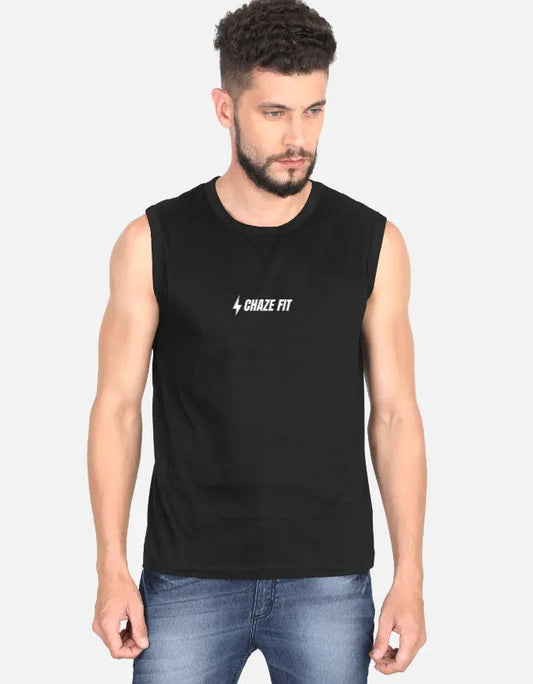
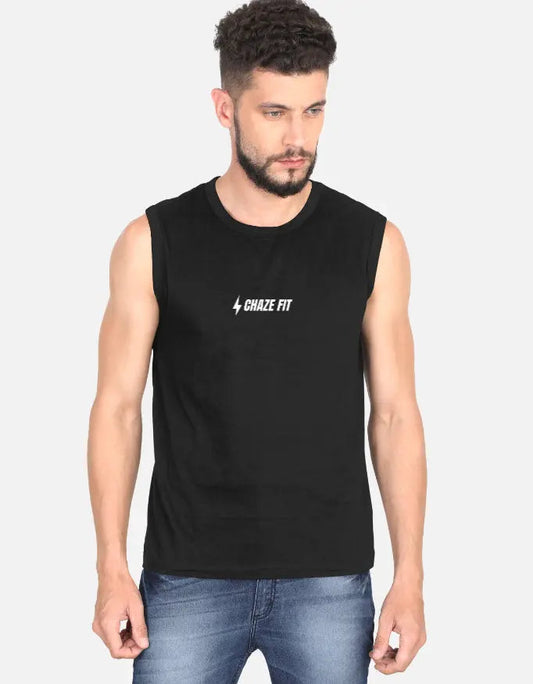
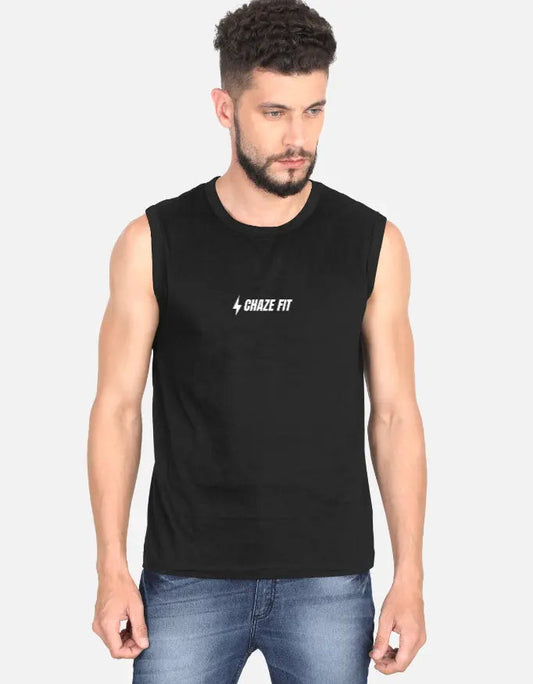
The 120 GSM polyester gym vest that turns transparent when wet is not cheap because the manufacturer is cutting corners on quality. It is cheap because the specification was set by cost, not by testing. Nobody asked: does this vest remain opaque under direct overhead fluorescent gym lighting at full sweat saturation in a 31°C non-AC gym? The question was never asked. The vest fails not because it was made badly - but because it was made to a specification that does not address Indian conditions.
The same pattern repeats across every product category:
- Plastic water bottles that reach ambient temperature within 20-30 minutes in a 30°C gym, giving you warm water for the last 40 minutes of a 60-minute session.
- Drawstring gym bags that tear at the eyelet within 6-11 weeks because 120-150 GSM polyester cannot withstand the cord angle mechanics of lifting a 2-3kg gym load daily.
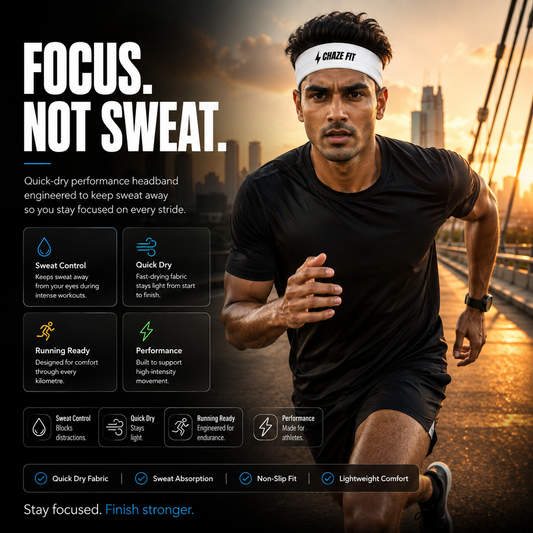
- Cotton headbands that saturate within 15-20 minutes at Indian gym temperatures and begin channelling sweat directly into the eyes.
- Fleece sweatpants sold for Indian travel that cause overheating within 20 minutes in a 30°C airport terminal because fleece is engineered for sub-10°C conditions.
These are not random failures. They are predictable consequences of manufacturing to a specification that was never tested in Indian conditions.
What The Fitness Revolution Actually Needs
India's fitness revolution does not need more gym memberships. It does not need more fitness content. It needs gym gear that works in Indian conditions, described with enough specificity that a buyer can make an informed decision before purchasing.
The standard Indian gym floor in summer runs at 28-36°C. Most international gym wear is tested and specified for 20-22°C climate-controlled environments. This 10-16°C gap changes what fabrics breathe correctly, what bottles keep water cold through a session, what headbands maintain grip when sweat volume is 30-60% higher than international gym norms.
The buyer cannot see this from a product photo. They cannot evaluate it from a description that says "premium quality" or "comfortable fit." They can only discover it during the third set of a heavy workout when the vest becomes transparent, or the headband starts sliding, or the bottle delivers warm water.
Fixing this requires brands that test in Indian conditions and publish what they find.
Why Chaze Fit Is Built For This Moment
Chaze Fit is a Mumbai-based D2C performance sportswear brand built on one principle: every product specification exists because a specific failure was tested until the minimum fix was found.
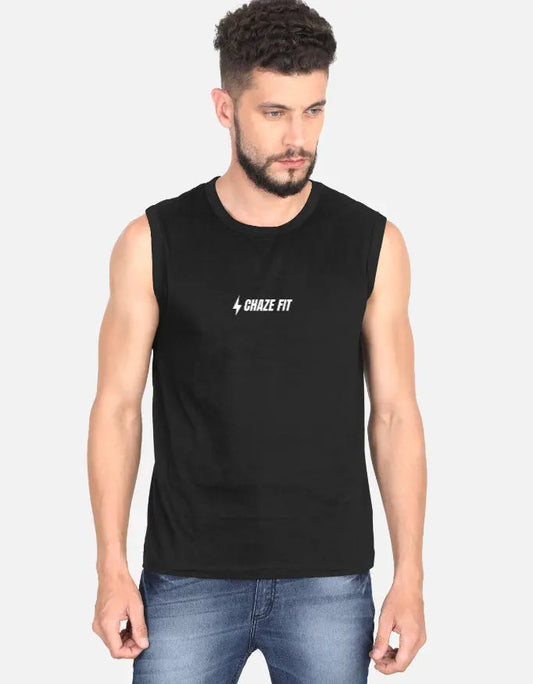
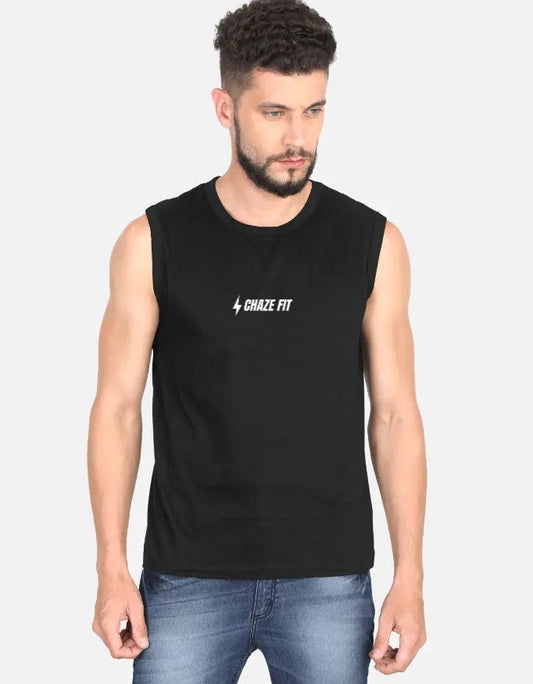
The 260 GSM terry cotton sweatpant specification came from testing three GSM weights across 12 travel routes. The 180 GSM cotton gym vest came from testing four GSM levels under direct fluorescent lighting at four sweat saturation levels. The 4mm silicone headband grip came from testing five strip widths across five shoulder movements. The 750ml at 7cm diameter gym bottle came from testing eight gym bags for side pocket compatibility.
Every number in every Chaze Fit product description is the result of this process. Not marketing language. Not category convention. Testing, measurement, documented finding.
India's fitness revolution is real. The gear problem is real. Chaze Fit is one brand's attempt to solve it - one product specification at a time.
Read the full brand story at About Chaze Fit - Founder Story & Product Testing, or start with What Is Chaze Fit?
Related Reading From The Chaze Fit Journal
- The Indian Gym Gear Market Has A Specification Problem - Not A Price Problem
- Why I Started Chaze Fit - And What I Got Wrong The First Time
- Five Things Indian Gym-Goers Keep Buying Wrong - And What To Buy Instead
Browse all Chaze Fit products at chazefit.com/collections/all.
Frequently Asked Questions
Q1: How big is India's fitness industry in 2024?
India's commercial fitness market is estimated at approximately ₹16,200 crore in 2024, growing at 15% annually toward ₹37,700 crore by 2030, with 23+ million gym members across 65,000+ facilities.
Q2: Why does gym gear fail in Indian conditions?
Most gym gear is specified and tested for 20-22°C climate-controlled environments. Indian non-AC gym floors run at 28-36°C, producing 30-60% higher sweat rates. Products designed for cooler conditions - fleece sweatpants, thin cotton vests, plastic bottles, fabric-only headbands - fail predictably at Indian temperatures.
Q3: What makes Chaze Fit different from other Indian gym wear brands?
Every Chaze Fit product specification is the result of testing a specific failure in Indian conditions. The 180 GSM vest, the 4mm silicone headband grip, the 250 GSM canvas gym bag, the 260 GSM terry sweatpant - each number comes from a documented test, not a cost calculation. Read the full approach at About Chaze Fit.
Q4: Who is Chaze Fit for?
Indian men who train 4-5 days per week in non-AC or semi-AC gyms and are frustrated by gym gear that fails in weeks - and by international brands that price correctly-specified gear at ₹2,500-5,000 per piece. Full overview at What Is Chaze Fit?
Q5: Is India's fitness market growing faster than other sectors?
At 15% CAGR, the commercial fitness sector is growing significantly faster than India's overall GDP and most consumer categories. The growth is structural - driven by demographic, social, and healthcare shifts - not cyclical.
Q6: Is the gear specification problem worse in some Indian cities than others?
Likely yes. Tier 2 cities are currently showing faster new-membership growth than Tier 1 cities, often in facilities with less consistent air conditioning, since commercial pressure to invest in climate control has been lower there historically. This means the specification gap this article describes is, if anything, more acute in exactly the markets growing fastest.
Tags:
Previous
Five Things Indian Gym-Goers Keep Buying Wrong (And What To Buy Instead)
Next
The Training Partner Comment That Turned Chaze Fit Into A Company
Related articles
-
Sep 02 2026