
Joggers can feel different when you sit, bend or walk because the waistband, rise, leg shape and fabric interact with your body. Start by locating where the garment pulls or bunches. There is no universal time limit after which joggers become uncomfortable, and an oversized label alone does not guarantee a better fit.

Check the waistband while seated
Try sitting in the position you expect to use during your commute or journey. Notice whether the waistband digs in, rolls or needs repeated adjustment. If a drawstring is fitted, loosen it to a comfortable setting. A different waist construction or cut may suit you better than simply moving up a size.
Look at the seat, rise and thighs
A garment can fit at the waist yet pull across the seat or upper thighs. Bend gently and sit down without holding your breath or pulling the trousers into position. Check whether the fabric has enough room for your preferred movement. If the waist becomes too loose when you size up, compare another cut rather than assuming extra size will solve everything.
Check the length and cuffs
Look at where the cuffs sit while standing and seated. Too much length may bunch at the ankle or behind the knee; too little may pull when you bend. Compare the inseam and overall length with trousers you already find comfortable. Follow the retailer’s measurement diagram, because different charts may use different measurement points.
Separate fabric preference from fit
French terry and brushed fleece have different inner textures, but neither guarantees comfort for every person or climate. Consider the garment’s construction, your other layers and how you will use it. GSM describes fabric mass per area; it does not provide a comfort score or prove that one fabric is always better.
Where Chaze Fit sweatpants fit into the choice
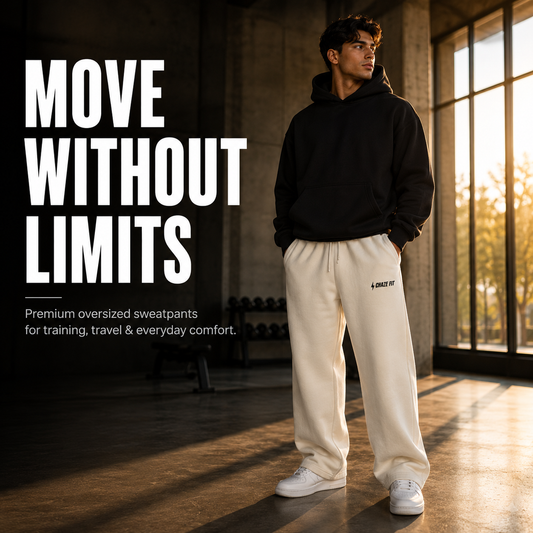
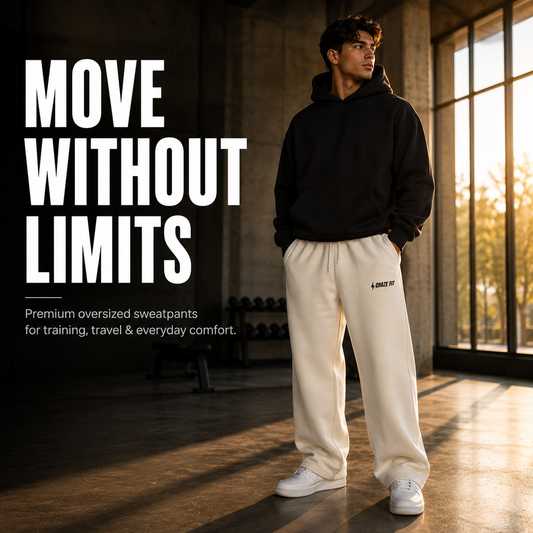
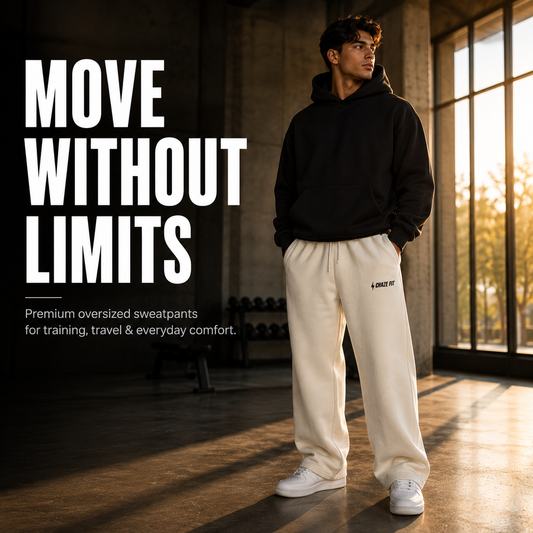
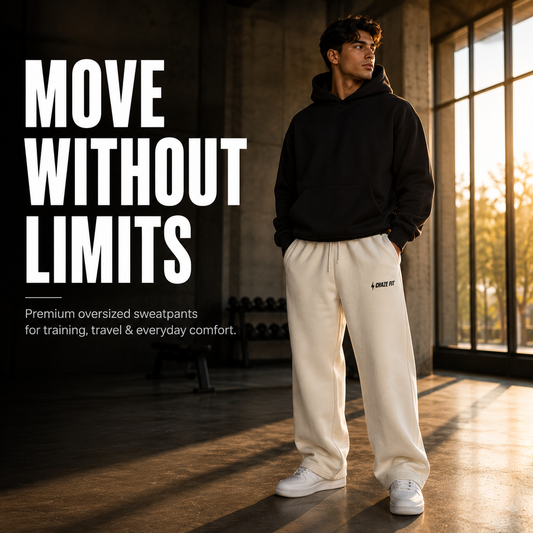
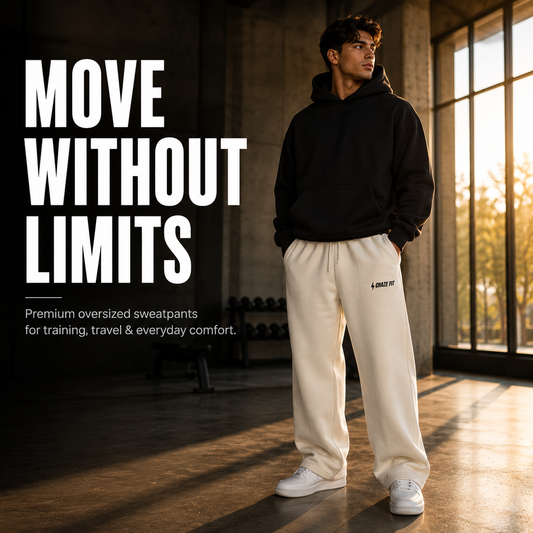
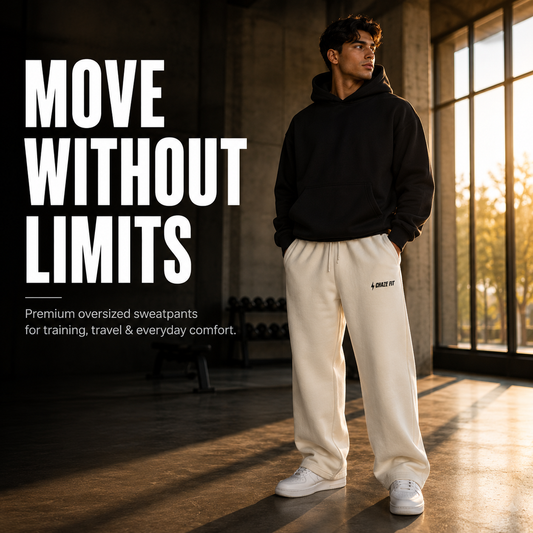
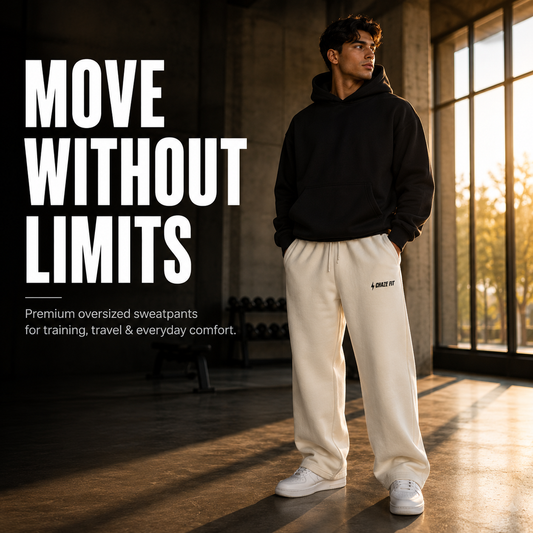
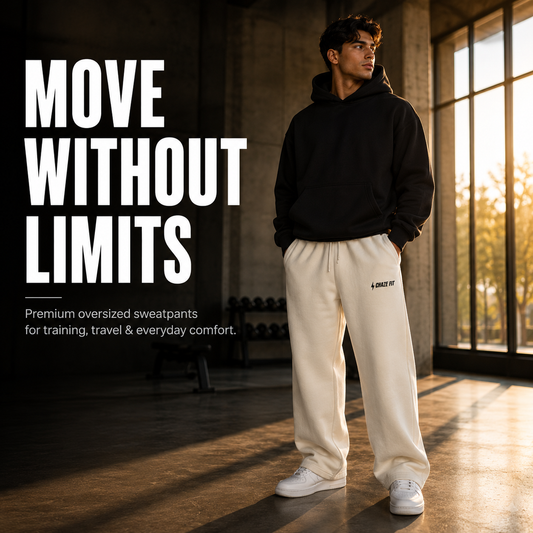
The current Chaze Fit listing describes oversized terry sweatpants made from 260 GSM cotton. Treat that as product information, not a tested guarantee of seated comfort. Check the current size chart, pocket details and care instructions before ordering. Do not automatically size up just because the fit is described as oversized.
A simple fit checklist
Check the waist while standing and sitting. Bend your knees and look for unwanted pulling. Compare the seat and thigh fit, then the length. Finally, check whether your pockets remain comfortable with the items you normally carry. Evaluate the fit without weights or exercise equipment.
Frequently asked questions
Are sweatpants always better than joggers for travel? No. Those names cover many different cuts. Compare the specific garment’s measurements and your preferred fit.
Should I buy a larger size? Use the product’s chart and compare a similar garment. A different cut may be more useful than extra length or a looser waist.
Does this guide explain leg pain or circulation symptoms? No. This is a clothing-fit guide and does not diagnose symptoms or establish a medical benefit for any garment.
Related fit and fabric guides
Tags:
Previous
Best Sweatpants For Travel In India - Complete Fabric & Fit Guide
Next
Terry vs Fleece Sweatpants: Which Fits Your Everyday Routine?