
Last Updated: July 2026 | Author: Ankit Mange, Founder, Chaze Fit | Reading Time: 7 minutes
Double-wall vacuum insulation is a bottle construction where two stainless steel walls are separated by a vacuum, a space from which air has been removed. This vacuum eliminates convection heat transfer (which requires air as a medium) and drastically reduces conduction. The result: the outer wall stays at ambient temperature (no condensation) while the inner wall stays near the liquid's original temperature for 12+ hours. It is the only insulation technology that keeps water genuinely cold in India's 30-36°C non-AC gym conditions. For the full seasonal and city-level data behind this range, see our Indian Gym Temperature & Humidity Reference.
Featured Product
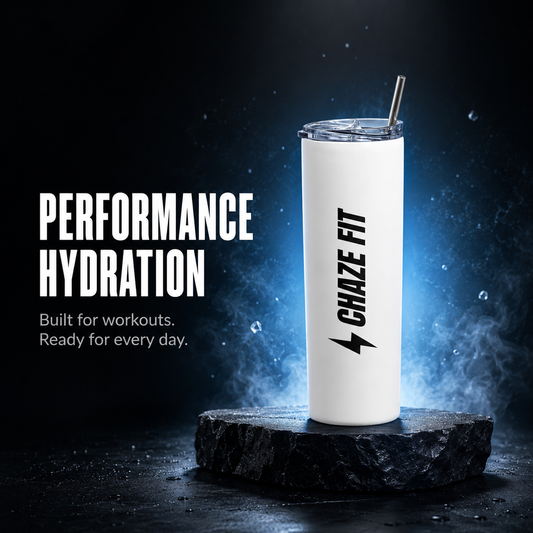
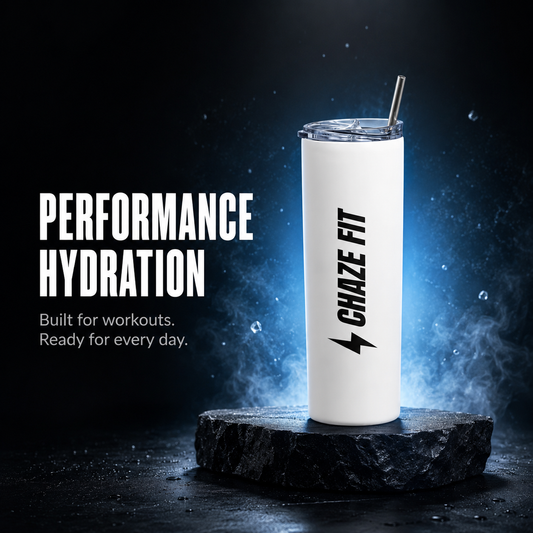
Chaze Fit Steel Edge 20oz Tumbler
20oz double-wall insulated · 12-hr ice cold · ₹999
Shop Vacuum-Insulated Steel Tumbler →Quick Summary
- Double-wall vacuum means two steel walls with a vacuum (no air) between them
- Vacuum eliminates convection, the primary heat transfer mechanism in standard bottles
- The outer wall stays at ambient temperature: no condensation, dry to touch
- The inner wall stays near the liquid temperature for 12+ hours
- Not all "double-wall" bottles are vacuum insulated: the vacuum is the critical component
- Never dishwash: high-pressure hot water damages the vacuum seal over repeated cycles
What Is Double-Wall Vacuum Insulation In A Bottle?
Double-wall vacuum insulation in a bottle means two layers of stainless steel with a vacuum (no air) between them. Heat transfer requires a medium: convection uses air, conduction uses solid contact. By removing air from between the walls, a vacuum-insulated bottle eliminates convection entirely and minimises conduction to the small contact points where the walls connect. In Indian gym conditions at 30°C ambient, double-wall vacuum insulation keeps water below 15°C for 12+ hours, compared to 20-30 minutes for single-wall plastic.
The Three Mechanisms Of Heat Transfer
1. Convection
Heat transfer through fluids including air. In a single-wall bottle, warm gym air heats the bottle's outer surface by convection. In a double-wall vacuum bottle: no air between the walls means no convection. Eliminated entirely.
2. Conduction
Heat transfer through solid materials. The two steel walls connect only at the neck and base, for minimal physical contact. Without air to conduct through, conduction is drastically reduced. Not eliminated (physics), but minimised to the point that it accounts for the small temperature change over 12+ hours.
3. Radiation
Heat transfer through electromagnetic radiation. Works in a vacuum: this is the residual mechanism. High-quality vacuum bottles use a reflective inner surface to reduce radiation transfer further.
Why Not All "Double-Wall" Bottles Are Equal
This is the most important buying distinction in the insulated bottle market. "Double-wall" means two layers of material. The gap between them can be filled with air or be a vacuum. A double-wall bottle with an air gap is better than single-wall but significantly worse than vacuum. Only removing air creates the genuine insulation barrier that delivers 12-hour cold performance. Look specifically for "vacuum insulated" in any product description, not just "double-wall."
Vacuum Gap Width And Vacuum Quality Also Vary
Beyond the basic air-gap-vs-vacuum distinction, two bottles both correctly labelled "vacuum insulated" can still perform differently based on two further variables most buyers never see: the width of the gap between walls, and how complete the vacuum actually is (residual gas pressure left inside after manufacturing). A wider gap generally gives conduction less of a shortcut path across the small connection points, and a more thorough vacuum (lower residual pressure) leaves fewer gas molecules available to conduct or convect heat across the gap. Cheaper manufacturing processes sometimes use a narrower gap to save material, or don't achieve as complete a vacuum, producing a bottle that's technically vacuum-insulated but underperforms a well-manufactured one, the label alone doesn't guarantee the execution. This is one reason the same nominal specification ("vacuum insulated, 20oz steel") can show real performance differences in practice, which is exactly why the Steel Edge's 12-hour claim is backed by the actual measured temperature curve rather than the construction method alone.
Founder Note: Testing Double-Wall vs Single-Wall At 30°C
When we were specifying the Steel Edge, we tested every "insulated" bottle available in India under ₹1,500. Most were "double-wall" without specifying vacuum. At 30°C, they consistently failed to keep water cold beyond 3-4 hours. The vacuum specification was non-negotiable. Without it, the bottle is just a thicker single-wall. The insulation performance difference between double-wall with air and double-wall with vacuum is not marginal. It is the difference between '2 hours cold' and '12 hours cold.'
Ankit Mange, Founder, Chaze Fit
For a look at this testing in action, watch our Steel Edge tumbler review and testing footage on YouTube.
Why The Outer Wall Stays Dry: The No-Condensation Effect
Condensation forms when a surface temperature drops below the ambient dew point. A standard cold bottle's outer wall is in contact with cold liquid inside, cooling to near the liquid's temperature. In Mumbai monsoon conditions (30°C, 80% humidity), the dew point is approximately 26°C. A bottle with 4°C water always produces heavy condensation. In a double-wall vacuum bottle, the outer wall stays at ambient temperature (30°C), well above the 26°C dew point. Zero condensation forms.
How To Preserve The Vacuum Seal
- Dishwashers: High-pressure hot water stresses the seal points where the walls connect at the neck and base. Over repeated cycles, air re-enters the vacuum space. Always hand wash.
- Impact at seal points: Drops onto the neck or base can damage the seal. Drops onto the body rarely cause issues.
Seal integrity test: Fill with hot water. If the outer wall gets warm within 5 minutes, the vacuum seal is compromised. A functioning vacuum bottle outer wall stays at ambient temperature regardless of liquid temperature inside.
304 vs 316 Stainless Steel For Tumblers
| Grade | Use Case | For Gym Bottles |
|---|---|---|
| 304 stainless steel | Food-grade, kitchen equipment, beverage containers | Correct specification: BPA-free, rust-resistant, taste-neutral |
| 316 stainless steel | Marine-grade, medical equipment, harsh chemical environments | No meaningful advantage over 304 for water or protein shakes |
304 is the correct and sufficient specification for a gym water bottle. 316 is sometimes marketed as "premium" but provides no practical benefit for normal gym hydration use.
Final Verdict
Double-wall vacuum insulation is not a marketing term. It is a specific engineering construction that eliminates convection heat transfer and delivers 12+ hour cold performance in Indian conditions where single-wall bottles fail in 20 minutes. For the product built on this technology and how it scored across 8 criteria in 60 days of Indian gym and office testing, read our how the Steel Edge scored 9.5/10 on 8 criteria in 60 days of gym and office testing.
Shop Chaze Fit Steel Edge Vacuum Insulated Tumbler ₹999 →
Related Articles
- Why The Steel Edge Was Built: 5 Bottle Failures Over 2 Years
- Six Time-Point Temperature Comparison: Vacuum vs Non-Insulated At 30°C
- Temperature, Odour, Durability And Cost: Steel Edge Vacuum vs Daily Plastic Use
- Steel Edge Scored 9.5/10 On 8 Criteria: 60 Days Gym And Office Testing
- Indian Gym Temperature & Humidity Reference Data
Frequently Asked Questions
Q1: What does double-wall vacuum insulation mean?
Two steel walls with a vacuum (no air) between them. The vacuum eliminates convection heat transfer, drastically reduces conduction, and keeps cold liquids below 15°C for 12+ hours in Indian gym conditions at 30°C ambient.
Q2: Is double-wall the same as vacuum insulated?
No. Double-wall means two material layers, and the gap can be air or vacuum. Air-gap double-wall is significantly less effective than vacuum. Always look for "vacuum insulated" specifically, not just "double-wall."
Q3: Why does a vacuum bottle not get condensation outside?
The outer wall stays at ambient temperature because it is insulated from the cold inner wall by the vacuum. It never drops to the dew point, so no condensation forms.
Q4: Why should I not put a vacuum bottle in the dishwasher?
Dishwashers expose the bottle to high-pressure hot water that stresses and eventually compromises the vacuum seal at the neck and base connection points. Once compromised, air re-enters and insulation performance drops dramatically.
Q5: How do I know if my vacuum seal is intact?
Fill with hot water. If the outer wall gets warm within 5 minutes, the vacuum seal has been compromised. A functioning vacuum bottle outer wall stays at ambient temperature regardless of liquid temperature inside.
Q6: Is 304 stainless steel safe for daily drinking?
Yes. 304 stainless steel is food-grade, BPA-free, rust-resistant, and taste-neutral. It does not leach chemicals at normal temperatures.
Q7: How long does double-wall vacuum insulation last?
With correct care (hand wash, no dishwasher, no impact at seal points), the vacuum seal lasts years. The Chaze Fit Steel Edge is designed for daily use over the long term.
Q8: Why do Indian gym bottles go warm so fast?
Because they use single-wall construction with no insulation. At 30-36°C Indian gym ambient temperatures, the temperature differential between cold water (4°C) and warm air is 26-32°C, driving rapid heat transfer through thin single-wall material. Full comparison: temperature data comparing vacuum vs non-insulated at 30°C.
Q9: Can two bottles both labelled "vacuum insulated" still perform differently?
Yes. Vacuum gap width and how complete the vacuum actually is (residual gas pressure after manufacturing) both affect real-world performance, and neither shows up in the basic "vacuum insulated" label. A cheaply manufactured vacuum bottle can technically qualify for the label while underperforming a well-manufactured one, which is why a bottle's actual measured temperature curve matters more than the construction label alone.
Follow Chaze Fit on Instagram for training tips, product drops, and behind-the-scenes testing.
Follow @chazefit →About The Author
Ankit Mange is the founder of Chaze Fit. He tested multiple double-wall and vacuum-insulated bottles before specifying the Steel Edge construction and confirming the vacuum seal protocol.
Tags:
Previous
Best Insulated Tumbler Bottle In India - Tested & Reviewed
Next
Compare Tumbler Brands in India: Insulation, Material & Value