
Last Updated: August 2026 | Author: Ankit Mange, Founder, Chaze Fit | Reading Time: 6 minutes
Steel is better than plastic for protein shakers in Indian gym conditions — on odour, hygiene, and durability. Plastic absorbs protein odour permanently within 2-4 weeks of daily use because the material is porous. Every mixing ball impact creates micro-scratches where protein embeds and cannot be washed out. Steel is non-porous — protein rinses off completely. In Indian gyms at 28-36°C, heat accelerates bacterial growth in protein residue, making plastic both smellier and less hygienic within weeks at Indian temperatures. Beyond odour and hygiene, plastic containers are also documented to shed microplastic particles into their contents with repeated shaking and heat exposure — see our full breakdown on plastic shakers and microplastics for the science behind that specifically.
Shop This As A Bundle
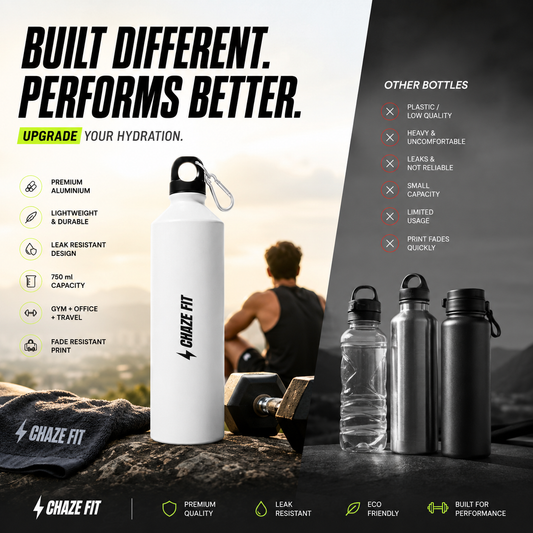
Complete Hydration Bundle — Sipper + Steel Bottle + Tumbler, Worth ₹2,397
Shop The Hydration Bundle →Steel vs Plastic Protein Shaker: Quick Comparison
| Factor | Steel | Plastic |
|---|---|---|
| Odour after 30 days | None with rinsing | Permanent |
| Hygiene (bacterial growth) | Low risk — non-porous, rinses clean | High risk — bacteria embed in scratches |
| Temperature at 60 min (30°C) | Still cool (insulated) | Warm in 20-30 min |
| Lifespan | 2+ years | 3-6 months |
| Micro-scratch risk | Minimal | High — creates odour and bacteria traps |
| BPA risk | Zero | Depends on grade |
| Weight | 300g (insulated) | 80-120g |
| Cost | ₹649-999 (lasts 4-8x longer) | ₹199-599 (replaced 3x/year) |
Why Plastic Protein Shakers Fail Faster In Indian Conditions
The smell problem is material science, not hygiene alone. Plastic is a polymer with a porous surface. The mixing ball creates micro-scratches. Protein lodges in those scratches. At 30-36°C — standard inside an Indian gym bag — bacterial growth doubles for every 10°C increase. A shaker that works in a 22°C AC gym becomes permanently smelly at Indian temperatures.
304-grade stainless steel is non-porous. The chromium oxide layer is harder than the mixing ball. No scratches = no embedded residue. A warm rinse within 30 minutes removes protein completely every time.
Is Steel Actually More Hygienic, Or Just Less Smelly?
Both — and they're the same underlying mechanism. Odour and hygiene risk in a protein shaker come from the same source: organic residue trapped somewhere a normal wash can't reach. In plastic, that's the micro-scratches created by the mixing ball's repeated impact against the walls. Protein and moisture sitting in those scratches at 28-36°C is exactly the environment bacteria need to establish and multiply — the smell you notice is often a downstream sign of that bacterial activity, not a separate issue from it.
Steel removes the hiding place entirely. A properly finished 304-grade interior has no micro-scratches for residue to embed in, so a normal rinse clears essentially everything — protein, moisture, and the bacteria that would otherwise use them as a growth medium. This is the same reason 304 stainless steel is the standard material in commercial kitchen equipment and food-service surfaces: it's non-porous by design, not just easy to wipe down.
Practically, this means a steel shaker rinsed after each use stays hygienically clean indefinitely, while a plastic shaker — even one washed diligently — accumulates residue in its scratches that a surface rinse simply cannot reach, regardless of how thorough the visible cleaning looks.
Founder Note: Three Plastic Shakers In One Year
Each lasted about 4 months before the smell was beyond recovery — baking soda, vinegar, overnight soaks, nothing worked permanently. What actually changed my mind wasn't the smell though, it was realising the smell meant something was living in those scratches that a wash wasn't reaching. My first steel bottle is still odour-free after 14 months, which tells you the hygiene story, not just the smell story.
- Ankit Mange, Founder, Chaze Fit
How's yours held up?
14 months is our own data point. If you're using a Steel Edge for protein, how many months in, still odour-free? Leave a review on the product page with the real timeline, or tag @chazefit on Instagram. We read every one.
Can You Use The Chaze Fit Steel Edge As A Protein Shaker?

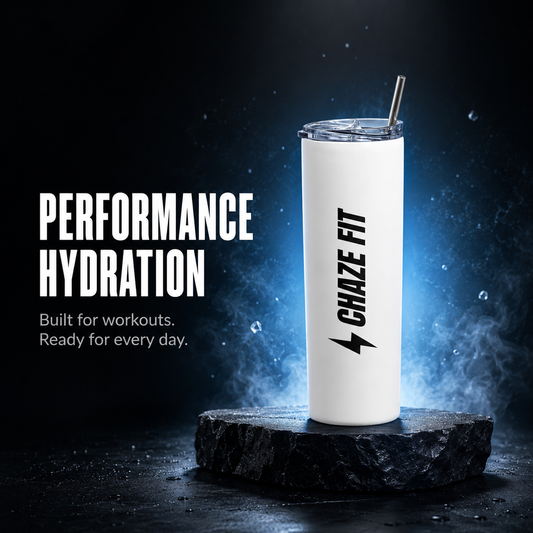
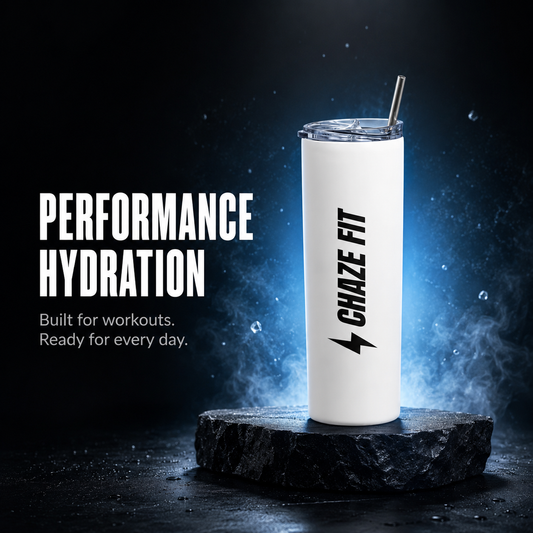
Yes. Chaze Fit Steel Edge (₹999) — 5cm opening accommodates a mixing ball. Double-wall insulation keeps cold shakes cold. For water-only, use the lighter Hydro Max (₹649, 180g). Two bottles, each doing what it's built for.
The Real Cost Comparison Over 2 Years
| Scenario | Plastic | Steel |
|---|---|---|
| Year 1 | ₹399 x 3 = ₹1,197 | ₹999 |
| Year 2 | ₹399 x 3 = ₹2,394 total | ₹0 more = ₹999 total |
| Cost/day (Year 2) | ₹3.28 | ₹1.37 |
When Plastic Is Actually Fine
Water only (no protein), immediate wash after use, AC gym. Remove any one of the three (protein + heat + time) and plastic works acceptably, both on odour and hygiene grounds.
Related Articles
- Why Plastic Shaker Bottles Aren't The Safe Everyday Choice
- Aluminium vs Steel vs Plastic Bottle
- Best Insulated Tumbler In India
- Why Water Tastes Different From Different Bottles
- Is Aluminium Safe For Daily Drinking?
Explore More Categories
For the complete gym bottle buyer's guide, read how 4 bottle materials were tested at Indian gym temperatures. For a personalised steel bottle as a gym gift, see why laser engraving survives daily gym use. For the full gym kit including bottle recommendations, read the complete Indian gym kit checklist.
Frequently Asked Questions
Q1: Steel or plastic protein shaker for Indian gyms?
Steel. Non-porous surface doesn't absorb protein odour. Lasts 2+ years vs 3-6 months for plastic.
Q2: Why does my shaker smell even after washing?
Protein embeds in micro-scratches on plastic from the mixing ball. Steel has no scratches to embed into.
Q3: Are stainless steel shakers better for hygiene than plastic?
Yes. Steel's non-porous surface can't harbour bacteria the way plastic's micro-scratched surface does. Protein residue trapped in plastic scratches becomes a bacterial growth site within days at 28-36°C, even with regular washing — steel rinses fully clean every time.
Q4: Can I use a steel tumbler for protein shakes?
Yes if the opening is 5cm+ and you use a mixing ball. The Chaze Fit Steel Edge works.
Q5: How long do plastic shakers last?
3-6 months before smell becomes permanent. Steel: 2+ years.
Q6: Is steel heavier?
Yes — 300g vs 80-120g. Trade-off: no odour, 4-8x lifespan, temperature control.
Q7: Best steel option for protein in India?
Chaze Fit Steel Edge (₹999) — 304 steel, 5cm opening, insulated, splash-proof lid.
Q8: Does baking soda remove protein smell from plastic?
Temporarily. It neutralises surface odour but can't reach protein in micro-scratches. Smell returns within days.
Q9: Is steel actually cheaper than plastic long-term?
Yes from month 8. Plastic at ₹399 replaced 3x/year = ₹1,197/year. Steel at ₹999 lasts 2+ years. By year 2, steel is less than half the cost.
Q10: What steel grade is safe for protein shakes?
304-grade (18/8). The chromium oxide layer resists scratches from the mixing ball. For the full steel grade comparison, read 304 vs 201 stainless steel.
Q11: Should I use the same bottle for water and protein?
No. Use steel for protein and aluminium for water. Even in steel, daily protein use creates buildup over months that pure water bottles don't need to deal with.
Q12: When is plastic actually fine?
Water only, immediate wash, AC gym. The odour and hygiene problem both require protein + heat + time. Remove any one and plastic works.
Q13: Can I freeze a protein shake in a steel tumbler?
Not recommended. Liquid expands when frozen and can damage the vacuum seal between the double walls. Pre-chill and fill fresh instead.
If you've made the switch, we'd love to hear how it's holding up, tag us on Instagram.
@chazefit →About The Author
Ankit Mange is the founder of Chaze Fit. He went through three plastic protein shakers in one year before switching to steel permanently.
Tags:
Previous
Compare Tumbler Brands in India: Insulation, Material & Value
Next
Hydro Max vs Steel Edge: Which Chaze Fit Bottle Should You Buy?