
Last Updated: July 2026 | Author: Ankit Mange, Founder, Chaze Fit | Reading Time: 6 minutes
Gym clothes smell even after washing because the odour comes from bacteria embedded inside the fabric's fibre structure, not sweat sitting on the surface - a standard wash cycle doesn't always fully reach and remove it, especially in tightly-knit synthetic fabrics. In India specifically, high ambient humidity (particularly through the monsoon months) slows how completely gym clothes dry between the gym bag and the wash, giving bacteria a longer window to establish before each wash even starts. This is the part most general laundry advice, written for drier climates, doesn't account for.
- Sweat itself is close to odourless - the smell comes from bacteria feeding on sweat, oils, and skin cells trapped in fabric fibres
- Synthetic wicking fabric's fibre structure can shelter bacteria in a way standard detergent doesn't fully reach
- Indian monsoon humidity (often 80-95% RH) slows fabric drying time significantly versus drier climates
- Slower drying between uses gives bacteria more time to establish before the next wash - a variable most global advice doesn't address
- In our own testing, 180 GSM cotton developed noticeably less odour than synthetic wicking fabric after an identical session and commute simulation
- A correct routine (prompt washing, full drying, no fabric softener) matters more in Indian humidity than in drier climates
Featured Product
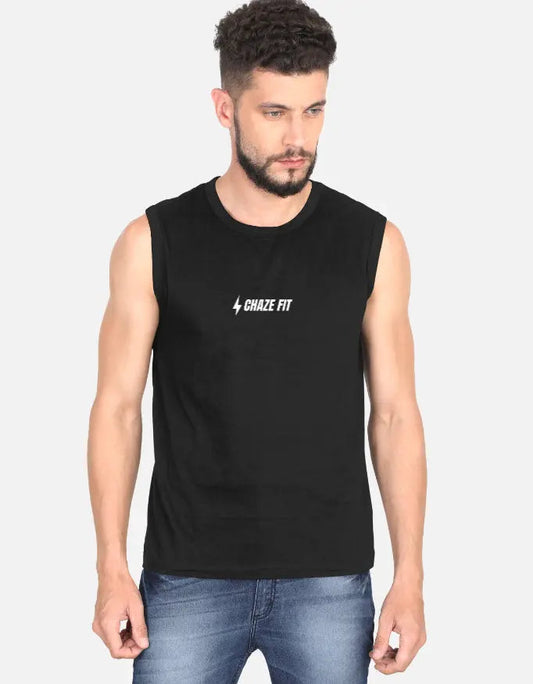
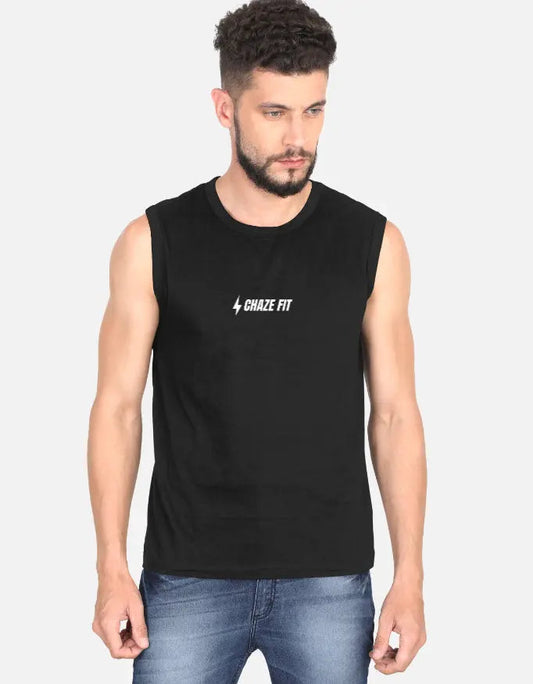
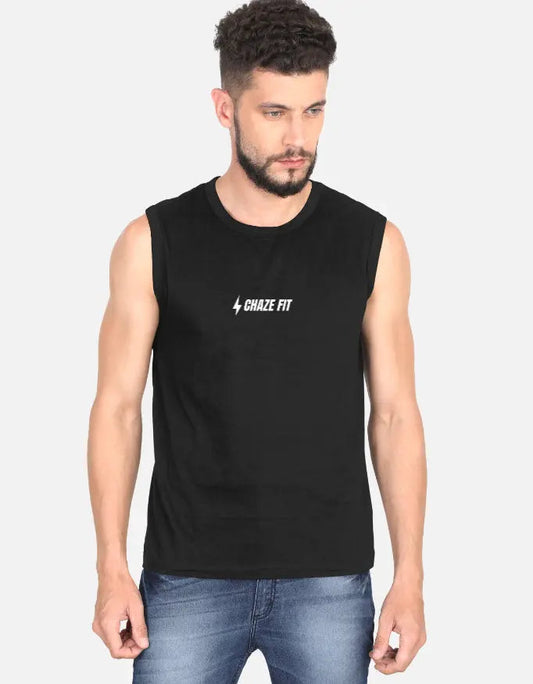
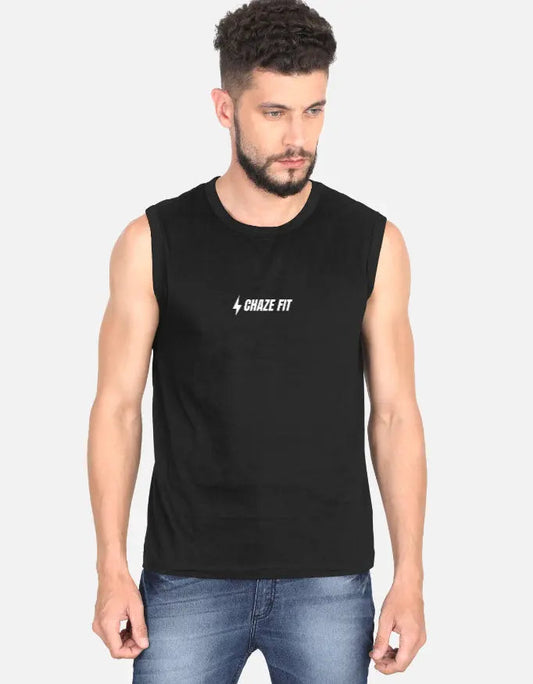
Chaze Fit Flex Dry Men's Gym Vest
180 GSM 100% cotton sleeveless · ₹699
Shop Lower-Odour Cotton Gym Vest →Why The Smell Isn't Actually The Sweat
What's Actually Producing The Smell
Fresh sweat is mostly water and salt, with only trace organic compounds - it's close to odourless on its own. The "gym smell" is a byproduct of bacteria that live on skin and in fabric, feeding on sweat, body oils, and skin cells, and releasing volatile organic compounds as a normal part of their metabolism. This is why the smell has a specific stale, slightly sour character rather than smelling like sweat directly - it's a bacterial byproduct, not the sweat itself.
Why A Normal Wash Doesn't Always Remove It
Standard detergent and a typical wash cycle are effective at removing visible dirt and most surface residue, but bacteria embedded deep within a fabric's fibre structure - particularly synthetic performance fabric, often knitted with a tighter structure than cotton - can survive a routine wash cycle. The bacteria essentially go dormant when the fabric dries, then reactivate and resume producing odour the moment the fabric warms and dampens again during your next session. This is why a shirt can look and smell fine straight out of the wash, and still smell within minutes of starting to sweat in it again.
The Indian Humidity Factor Nobody Else Is Accounting For
Every piece of general laundry advice on this topic is written from a drier-climate perspective. The advice is broadly correct (wash promptly, dry fully, avoid fabric softener), but it assumes a drying environment that doesn't reflect Indian conditions for a large part of the year. During monsoon season in coastal Indian cities like Mumbai, Chennai, and Kochi, ambient humidity regularly sits at 80-95% relative humidity. At that humidity level, air-drying clothes takes meaningfully longer than in a drier 40-50% RH environment. If gym clothes go back into a bag, or get worn again, before they're genuinely dry through, bacteria get a head start they wouldn't get in drier conditions.
Founder Note: Why We Treat This As A Fabric Specification Issue
When I looked into why some of my own gym clothes held onto smell worse than others, the pattern that emerged wasn't really about brand or price - it tracked much more closely with fabric type. In side-by-side testing between a cotton vest and a synthetic wicking vest under identical conditions, the cotton consistently came out ahead on odour after a comparable commute-and-storage simulation. That's part of why 180 GSM 100% cotton is the FlexDry specification rather than a synthetic wicking blend - odour resistance is a third, independent reason cotton performed better for Indian conditions in our testing.
- Ankit Mange, Founder, Chaze Fit
How To Fix It
What Actually Helps, In Order Of Impact
- Never leave damp gym clothes sealed in a bag. This is the single biggest factor - a warm, damp, enclosed gym bag is close to an ideal environment for bacteria to multiply, and it's worse in Indian humidity than in drier climates.
- Wash within a day of wearing, not after several sessions have piled up. The longer bacteria have to establish in the fabric before a wash, the harder a single wash cycle is to fully remove them.
- Dry fully before storing or rewearing - not just "mostly dry." In humid conditions, this may take noticeably longer than you'd expect from experience in a drier climate.
- Avoid fabric softener on gym wear. Fabric softener leaves a coating on fibres that can trap bacteria and odour-causing residue rather than letting the fabric release it.
- Consider fabric choice for future purchases. In our testing, cotton at 180 GSM developed less odour than synthetic wicking fabric under identical conditions.
Does A Vinegar Soak Actually Work?
A cold-water pre-soak with white vinegar (roughly one part vinegar to three or four parts water, for 30-60 minutes before a normal wash) is a commonly recommended step, and vinegar's mild acidity can help loosen some of the residue bacteria bind to. It's a reasonable occasional deep-clean step for gear that's already developed persistent odour, but it isn't a substitute for the routine basics above.
The Chaze Fit FlexDry Gym Vest (₹499) uses 180 GSM 100% cotton, chosen partly for its comparatively lower odour retention versus synthetic wicking fabric in our own testing. For the full cotton vs polyester comparison, read cotton vs polyester for Indian gym conditions.
Frequently Asked Questions
Why do my gym clothes still smell after washing?
Because the smell comes from bacteria embedded inside fabric fibres, not sweat sitting on the surface. Standard detergent and a quick wash cycle often don't fully reach or remove this bacteria, especially in synthetic fabrics with a tighter fibre structure.
Does Indian humidity make gym clothes smell worse?
Yes, measurably. Monsoon-season humidity in cities like Mumbai and Chennai (often 80-95% RH) slows fabric drying time significantly compared to drier climates.
Does cotton or synthetic gym wear smell worse?
In our testing, synthetic wicking fabric generally developed stronger, more persistent odour than 180 GSM cotton after an identical session and commute simulation.
Does white vinegar actually remove gym clothes odour?
A vinegar pre-soak can help loosen bacteria-binding residue, but it works better as an occasional deep-clean step than a routine replacement for prompt washing and full drying.
Continue reading
For the next step, explore this related guide.
Related Articles
- Cotton vs Polyester Gym Vest - Which Is Better For Indian Gyms?
- Why Water Tastes Different From Different Gym Bottles
- Best Men's Gym Vest In India - Tested And Reviewed
About The Author
Ankit Mange is the founder of Chaze Fit. The cotton vs synthetic odour comparison referenced in this article is part of the same testing process that confirmed 180 GSM cotton as the FlexDry gym vest specification.
Follow Chaze Fit on Instagram for training tips, product drops, and behind-the-scenes testing.
Follow @chazefit →
Tags:
Previous
What Is A Dropped Armhole In A Gym Vest? (And Why It Matters For Lifting)
Next
Gym Vest vs Dri-Fit T-Shirt: Choose Your Training Top
Related articles
-
Jul 30 2026
Gym Vest vs Dri-Fit T-Shirt: Choose Your Training Top
-
Jun 28 2026