
Last Updated: July 2026 | Author: Ankit Mange, Founder, Chaze Fit | Reading Time: 4 minutes
An enamel pin holds best on structured, double-layer fabric sections - a gym bag's front pocket flap, a jacket's lapel or chest pocket, a structured cap's front panel, or a lanyard. It holds worst on thin, single-layer fabric that can sag or stretch under the pin's weight, or on curved surfaces like a cap brim where the flat pin-back post can't sit properly. Placement is less about style preference and more about which spots have enough structure to hold the pin flat and secure through daily use.
Quick Summary
- Best spots: structured double-layer fabric - bag pocket flaps, jacket lapels/chest pockets, structured cap front panels, lanyards
- Worst spots: thin single-layer fabric (sags under weight) and curved surfaces like cap brims (pin can't sit flat)
- A single pin reads as a considered, low-key detail; three or more on one item usually reads as intentional collector styling rather than accidental clutter
- Rotate placement slightly on delicate fabric if you frequently move the pin, to avoid repeated wear at one exact point
- Works well as a small standalone gift or as an add-on alongside a larger Chaze Fit order
Recommended Product
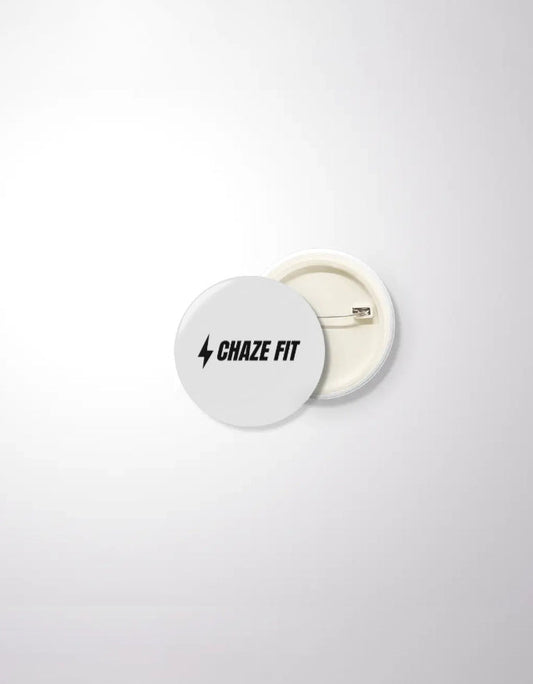
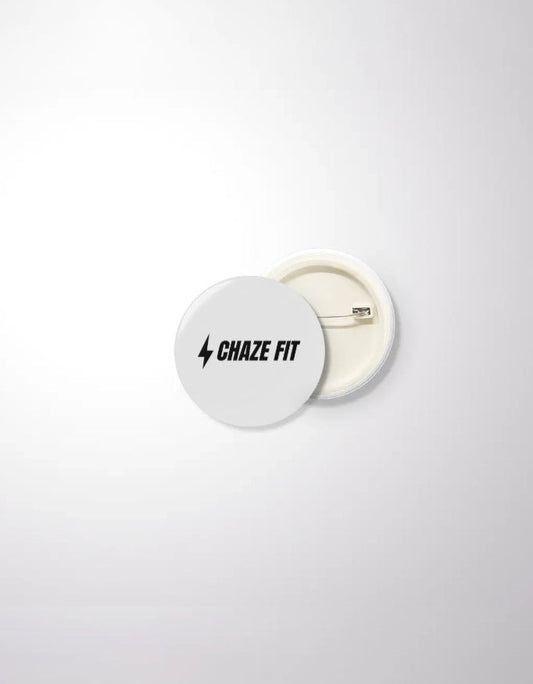
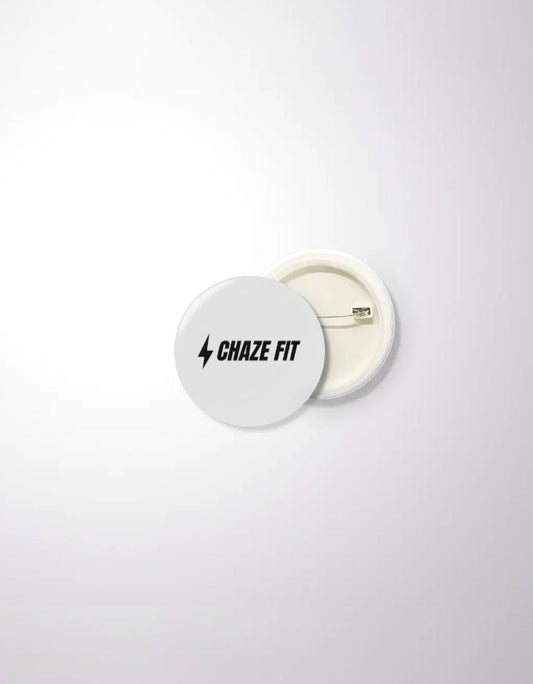
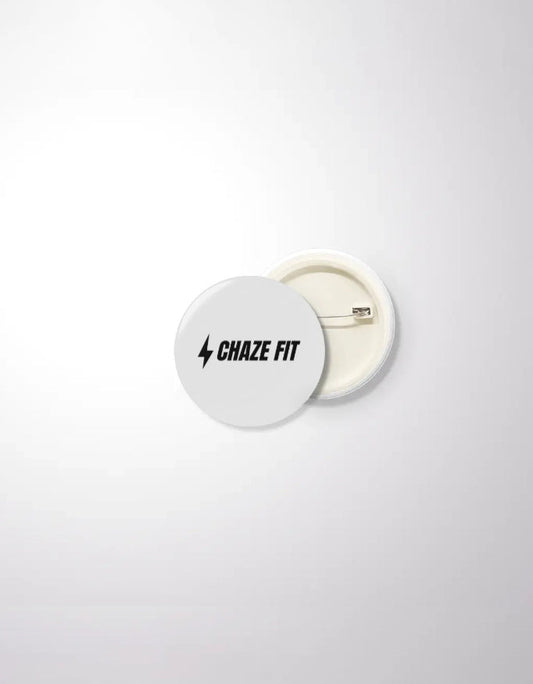
Chaze Fit Enamel Pin Badge
Rust-free build · Glossy finish · Secure pin-back · ₹99
Shop Small Add-On Pin Badge →Why Placement Actually Matters, Not Just Style
Most advice about wearing pins focuses purely on how it looks. The more practical consideration is structural: a pin's weight, small as it is, needs a fabric section stiff enough to hold it flat without sagging or flopping over. Thin cotton or a single layer of jersey fabric will slowly stretch out around the post with repeated wear. A structured, often double-layered section - like a bag's front pocket flap or a jacket's chest pocket - resists this because there's more fabric and often interfacing behind it.
Where It Works Best
Gym Bag Front Pocket Flap
The front flap of a drawstring or duffel-style gym bag is usually structured canvas or reinforced fabric - exactly the kind of surface that holds a pin flat without sagging.
Jacket Lapel Or Chest Pocket
On a bomber jacket or similar outer layer, the chest pocket flap or lapel area is typically reinforced fabric, giving the pin a stable, flat surface.
Structured Cap Front Panel
A structured cap's front panel (as opposed to an unstructured, floppy cap) has enough rigidity to hold a pin's post securely. Avoid the curved brim - the post can't sit flat on a curve, and the pin will tilt.
Lanyard Or Bag Strap
A webbing strap or lanyard is thick enough on its own to hold a pin's weight without any backing needed.
Where It Doesn't Work As Well
- Thin, unstructured fabric: A single layer of t-shirt jersey or thin cotton will stretch and sag around the post over time.
- Curved surfaces: A cap brim or a curved bag panel doesn't let the flat pin-back post sit properly, causing the pin to tilt or sit unevenly.
- High-friction contact points: A spot that regularly rubs against another surface (like where a bag strap crosses the body) will wear the pin's finish faster and risks the post catching on things.
Founder Note: Why We Made This A Low-Cost Add-On
The pin isn't meant to be a standalone purchase decision the way a gym vest or a water bottle is - it's a small, low-consideration item people add to an order, or a small gift for someone who already has the gear. We priced it at ₹99 specifically to keep it in that category. The plating and build quality still matter, because a rust spot on a jacket is a genuinely bad experience even for a ₹99 item, but the buying decision itself should be simple.
- Ankit Mange, Founder, Chaze Fit
The Chaze Fit Enamel Pin Badge
The Chaze Fit Enamel Pin Badge (₹99) uses a rust-free plated post and clutch, built to hold up through regular wear on gym bags, jackets, and caps. For the full construction and plating explanation, read our article on how an enamel pin is actually built, and why rust starts at the post.
Related Articles
- The Complete Guide To Enamel Pin Badges In India
- What Is An Enamel Pin? (And Why Rust-Free Actually Matters)
- The Complete Guide To Bomber Jackets In India
Frequently Asked Questions
Q1: Where should I put an enamel pin on a gym bag?
On a structured, double-layer section of fabric near the top of the bag - a front pocket flap or a canvas strap panel. Thin single-layer fabric sections can stretch or sag under the pin's weight over time; a structured section holds its position.
Q2: Will a pin badge damage a jacket?
A single small pin on a sturdy fabric like denim or brushed fleece is unlikely to cause noticeable damage. On thin or delicate fabrics, repeated removal and reattachment at the same spot can leave small permanent holes over time - vary placement slightly if you move the pin often.
Q3: Can I wear an enamel pin on a cap?
Yes, on the front panel of a structured cap, which is typically reinforced enough to hold a small pin's weight. Avoid the curved brim, where the post can't sit flat and the pin will tilt.
Q4: Is an enamel pin a good small gift?
Yes - at a low price point it works well as an add-on gift alongside a larger item, or as a small standalone gift for someone who already has the gear they need and would appreciate a low-key branded accessory.
Q5: How many pins can I wear on one item?
A single pin generally reads as a considered, low-key detail. Multiple pins clustered together tends to read as intentional collector-style layering rather than accidental clutter - either approach works, it's a style choice rather than a structural limit for most bags and jackets.
About The Author
Ankit Mange is the founder of Chaze Fit.
Follow Chaze Fit on Instagram for training tips, product drops, and behind-the-scenes testing.
Follow @chazefit →
Tags:
Previous
What Is An Enamel Pin? (And Why Rust-Free Actually Matters)
Next
Best Enamel Pin Badge In India (2026): Buy Rust-Free Gym Bag Pins
Related articles
-
Aug 10 2026
Buy Enamel Pin Badge Online India: Price & Availability
-
Aug 04 2026
The Complete Guide To Enamel Pin Badges In India
-
Jul 31 2026
How To Clean And Care For An Enamel Pin Badge
-
Jul 31 2026