
Last Updated: July 2026 | Author: Ankit Mange, Founder, Chaze Fit | Reading Time: 7 minutes
Gym vests turn see-through when wet because at densities below 180 GSM, cotton fibre density is insufficient to block light transmission when sweat saturates the fabric. Water trapped between fibres increases the fabric's light-transmittance significantly. Under direct overhead fluorescent gym lighting - the standard lighting in most Indian gym floors - a 120-140 GSM cotton vest becomes clearly see-through within 20 minutes of heavy training. A 180 GSM cotton vest does not become see-through under any level of sweat saturation tested across 90 days of Indian gym conditions. This 180 GSM threshold is consistent with the opacity pattern that shows up across cotton activewear generally - see our GSM Reference Chart for the full range across every garment category.
Featured Product
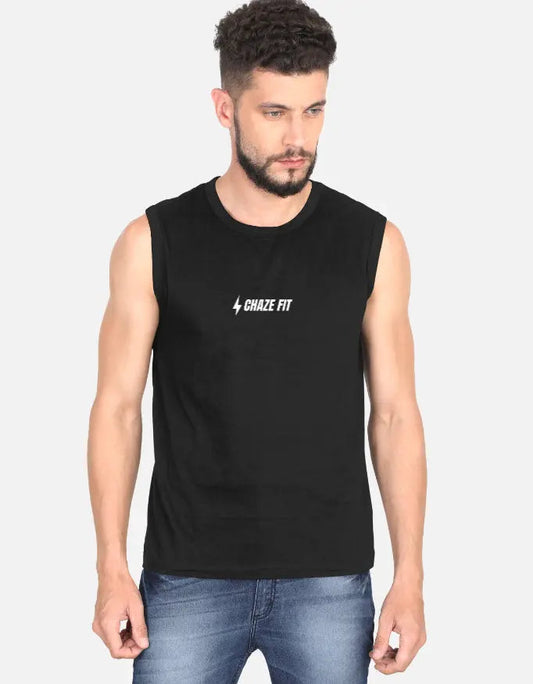
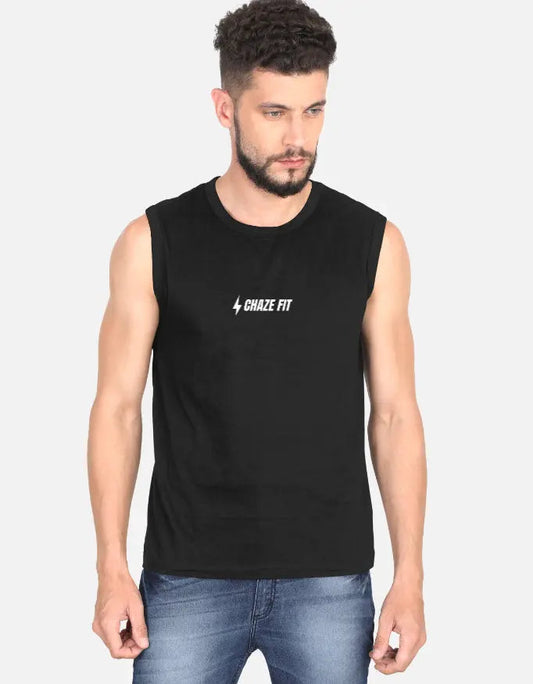
Chaze Fit Flex Dry Men's Gym Vest
180 GSM 100% cotton sleeveless · ₹699
Shop Opaque-When-Wet Gym Vest →- 120-140 GSM cotton vests turn see-through within 20 minutes under direct fluorescent lighting when fully saturated
- Water trapped in fibre gaps increases light transmission through the fabric
- 180 GSM cotton has sufficient fibre density to block light even when fully saturated
- Indian non-AC gym conditions (28-36°C) produce higher sweat rates than cooler gyms, exposing this failure faster
- The fix is 180 GSM minimum, not a different fabric type
- The Chaze Fit FlexDry Gym Vest at ₹499 uses 180 GSM cotton and showed zero transparency across 90 days of testing
Why This Problem Is Specific To Indian Gyms
Higher Sweat Rate Exposes The Threshold Faster
A 140 GSM vest may not turn see-through during a light 30-minute session in a 22°C climate-controlled gym. In an Indian non-AC gym at 31°C, sweat rate during moderate-to-high intensity training is 30-60% higher than at 22°C. The vest saturates faster, and saturation is the trigger for the transparency problem. Indian conditions accelerate this trigger - which is why vests that work fine in cooler environments expose their GSM inadequacy within a single heavy Indian gym session. For the full temperature and humidity data, see our Indian Gym Temperature & Humidity Reference.
The Physics: Why Wet Fabric Becomes Transparent
Dry cotton fibres and the air gaps between them have very different refractive indices - the air gaps scatter light in many directions as it passes through, which is what makes dry fabric appear opaque even though individual cotton fibres themselves are somewhat translucent. When water fills those air gaps, its refractive index (about 1.33) is much closer to cotton fibre's refractive index (about 1.53) than air's refractive index (about 1.0) is. This closer match means light scatters far less at the fibre-water boundary than at the fibre-air boundary, so more light passes straight through rather than bouncing around and being absorbed or redirected. The fabric hasn't structurally changed - the physical gaps are still there - but replacing air with water in those gaps fundamentally changes how light interacts with the material.
How We Solved It
Founder Testing: 4 GSM Vests, Direct Fluorescent, Full Saturation
We set up a direct fluorescent overhead light - the same type used in most Indian gym floors - and tested four vest GSMs at four saturation levels: dry, damp (light sweat), wet (moderate sweat), and saturated (heavy training). We photographed each vest under the same lighting conditions at each saturation level. The 140 GSM vest was clearly see-through at the saturated level. The 160 GSM vest was semi-transparent under direct overhead at saturated. The 180 GSM vest was opaque at all levels. The 200 GSM vest was opaque at all levels but noticeably heavier to wear in 31°C conditions. The data confirmed 180 GSM as the minimum viable specification for an Indian gym vest.
- Ankit Mange, Founder, Chaze Fit
What We Found
| GSM | Dry | Damp (light sweat) | Wet (moderate sweat) | Saturated (heavy training) |
|---|---|---|---|---|
| 120-130 GSM | Slightly transparent | Clearly see-through | Fully transparent | Fully transparent |
| 140-150 GSM | Opaque | Slightly transparent | Clearly see-through | Clearly see-through |
| 160-170 GSM | Opaque | Opaque | Opaque | Semi-transparent under direct overhead only |
| 180 GSM (FlexDry) | Opaque | Opaque | Opaque | Opaque - maintained throughout 90-day test |
The Chaze Fit FlexDry: 180 GSM Confirmed
The Chaze Fit FlexDry Gym Vest at ₹499 uses 180 GSM 100% cotton. Zero transparency under any saturation level tested across 90 days. For the full specification guide covering armhole width, seam construction, and colourfast dye, read the 3 specifications that determine gym vest quality in Indian conditions.
Frequently Asked Questions
Why does my gym vest turn see-through when I sweat?
Because below 180 GSM, cotton fibre density is insufficient to block light transmission when sweat saturates the fabric. 180 GSM maintains opacity even when fully saturated.
What GSM gym vest does not turn see-through?
180 GSM minimum. The Chaze Fit FlexDry at 180 GSM showed zero transparency across 90 days at three Mumbai gyms.
Does colour affect transparency in gym vests?
No for transparency itself - but darker colours make sweat patches more visible as a secondary effect.
Do polyester wicking vests also turn see-through?
Yes, below 180 GSM. The transparency threshold is determined by fabric density, not fabric type.
What is the best gym vest to avoid transparency issues?
The Chaze Fit FlexDry Gym Vest at ₹499 - 180 GSM 100% cotton. Zero transparency across 90 days of testing.
Related Articles
- The 3 Specifications That Determine Gym Vest Quality In Indian Conditions
- Cotton And Polyester Compared At 31°C
- FlexDry 9.6/10 Scorecard
- Why The 4cm Dropped Armhole Was Chosen
- GSM Reference Chart Across Activewear Categories
About The Author
Ankit Mange is the founder of Chaze Fit. He conducted the GSM transparency testing described in this article using direct fluorescent lighting identical to standard Indian gym floors before confirming 180 GSM as the FlexDry specification.
Follow Chaze Fit on Instagram for training tips, product drops, and behind-the-scenes testing.
Follow @chazefit →
Tags:
Previous
The Complete Guide To Men's Gym Vests In India
Next
Cotton vs Polyester Gym Vest: Which Is Better For Indian Gyms?
Related articles
-
Jul 30 2026
Gym Vest vs Dri-Fit T-Shirt: Choose Your Training Top
-
Jun 28 2026