



Enamel Pins on Gym Bags: Placement, Fabric Suitability and Fastening
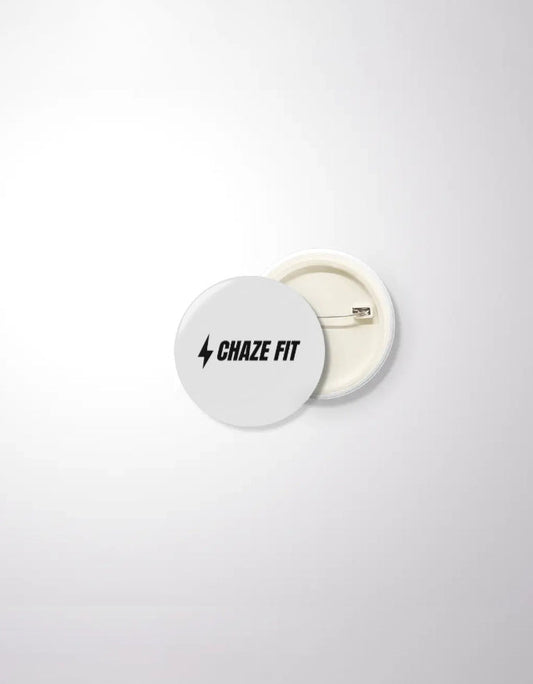
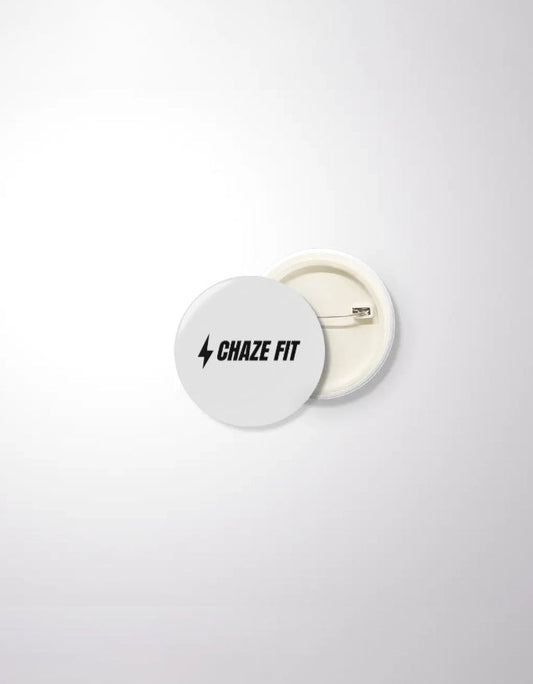
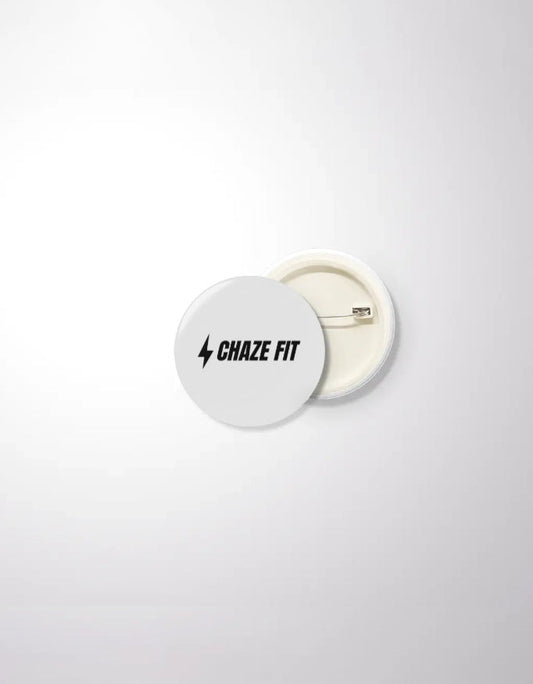
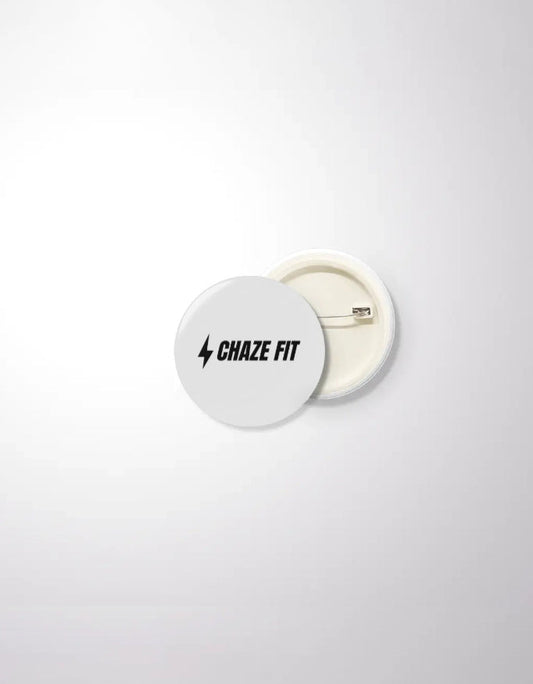
At a glance: Attach a decorative pin only where the fabric can support it and the backing will not press against you or your belongings. Chaze Fit Enamel Pin Badge is 44 mm across and uses a butterfly-clutch fastening.
Author: Ankit Mange, Founder, Chaze Fit.
A small badge can make a familiar gym bag easier to recognise and give it a personal touch. Good placement is what makes that decoration practical. The pin needs enough fabric support, the backing needs clearance and the badge should not interfere with straps, closures or the way the bag rests against the body.
Look at the bag while it is packed, not only while it lies flat. A fabric panel may fold or press against belongings once the bag is loaded. This simple check helps you choose a position that remains visible without making the fastening uncomfortable or difficult to inspect.

Plan the attachment before piercing the fabric
Make a paper circle matching the badge’s listed 44 mm diameter and hold it against possible positions. This gives a better sense of scale than a close-up image. Check both sides of the fabric and make sure the clutch will be reachable after attachment.
Avoid drawstring channels, stressed seams and places where a strap repeatedly rubs. Check the manufacturer’s guidance before piercing coated, waterproof or protective materials. A decorative pin makes a hole, so it is not an attachment method that preserves every fabric property. Chaze Fit’s badge uses a butterfly-clutch back; inspect the point and fastening rather than assuming the decorative accessory is permanently fixed once attached.
Avoiding seams and drawstring channels
Avoid drawstring channels, heavily loaded seams and areas that rub against your body. Choose a suitable fabric panel where the point and backing are accessible for inspection.
Judging 44 mm scale
Mark out a 44 mm circle on paper and hold it against the intended area. This gives a clearer sense of scale than a close-up product photograph.
Coated or waterproof fabric
Check the bag maker’s instructions before puncturing it. A pin creates a hole, so do not assume attachment preserves a waterproof or protective construction.
Checking the clutch
Inspect the point and clutch, attach carefully and check that the badge is held securely. Remove it if it loosens, catches or presses through toward skin or stored items.
Removing before washing
Remove the badge first. Wipe it gently with a soft, slightly damp cloth and dry both badge and backing before reattaching it.
Practical checks before choosing
| What you notice | What to check |
|---|---|
| Panel sags under the badge | Choose stronger suitable fabric |
| Backing presses inward | Move away from contact points |
| Strap catches the edge | Select a clearer location |
| Bag needs washing | Remove the badge first |
Putting the choice into practice
If you alternate between a bag and a casual jacket, inspect the fastening each time you move the badge. Remove it when the point or backing could press into skin or delicate contents. Keep the accessory separate before washing the attached item and dry it after gentle cleaning. The goal is a small design detail that is easy to live with, not another object that catches during everyday movement.
Explore Enamel Pin Badge – 44mm Glossy Rust-Resistant at Chaze Fit — review current specifications and available options before selecting yours.
Related guides
- What Is An Enamel Pin? (And Why Rust-Free Matters)
- Hard Enamel vs Soft Enamel Pins: Which Should You Buy?
Tags:
Related articles
-
Aug 10 2026
Buy Enamel Pin Badge Online India: Price & Availability
-
Jul 31 2026
How To Clean And Care For An Enamel Pin Badge
-
Jul 31 2026